
As a factory manager or technician, you're constantly seeking ways to optimize production processes, reduce costs, and improve efficiency. When it comes to sesame oil production, choosing the right medium or large - scale sesame oil press and maintaining it properly can make a significant difference. This article will guide you through the selection, operation, and maintenance of these essential machines.
Selecting the appropriate sesame oil press is crucial. First, consider your production capacity requirements. For instance, a small - scale factory producing around 5 - 10 tons of sesame oil per month may need a press with a lower output, while a large - scale enterprise aiming for 50 - 100 tons per month requires a high - capacity machine.
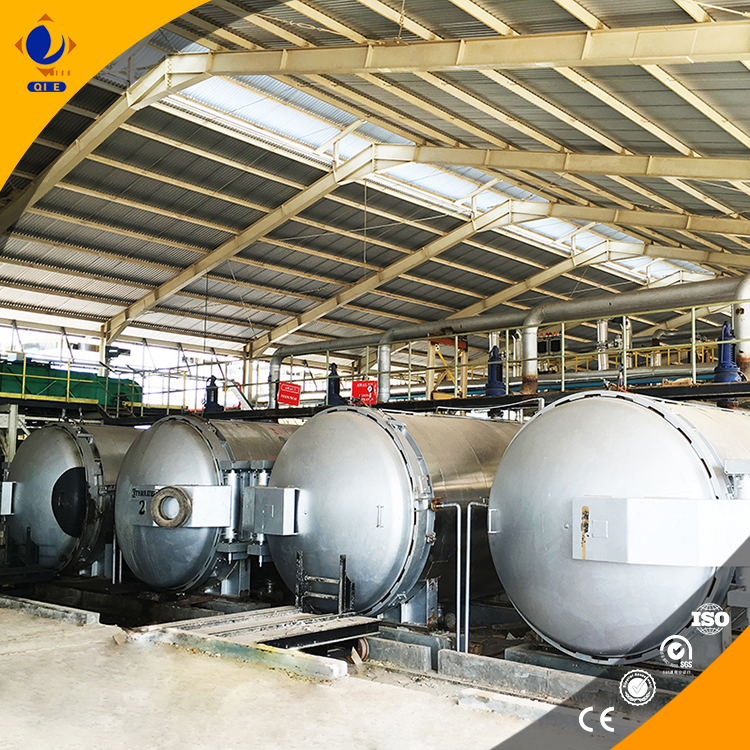
Automation level is another key factor. Automated presses can reduce labor costs and improve production consistency. A fully automated press can handle tasks such as feeding, pressing, and oil collection with minimal human intervention, increasing productivity by up to 30% compared to semi - automated models.
The operation process of sesame oil presses involves several key steps. One of the critical aspects is the switch between hot and cold pressing. Hot pressing generally yields a higher oil output, up to 45% - 50% of the sesame seeds' weight, while cold pressing retains more nutrients in the oil but has a lower output of around 35% - 40%.
Raw material pre - treatment is also essential. Properly cleaning and roasting the sesame seeds can significantly improve the quality and quantity of the extracted oil. For example, roasting sesame seeds at 150 - 180°C for 10 - 15 minutes can enhance the oil's flavor and aroma.
Regular maintenance is the key to ensuring the long - term stability and efficiency of sesame oil presses. Here is a simple maintenance checklist:
| Maintenance Item | Frequency | Details |
|---|---|---|
| Cleaning | Daily | Remove residual sesame seeds and oil from the press chamber to prevent blockages. |
| Lubrication | Weekly | Apply lubricating oil to moving parts to reduce friction and wear. |
| Fault Diagnosis | Monthly | Check for abnormal noises, vibrations, and temperature rises to detect potential problems early. |
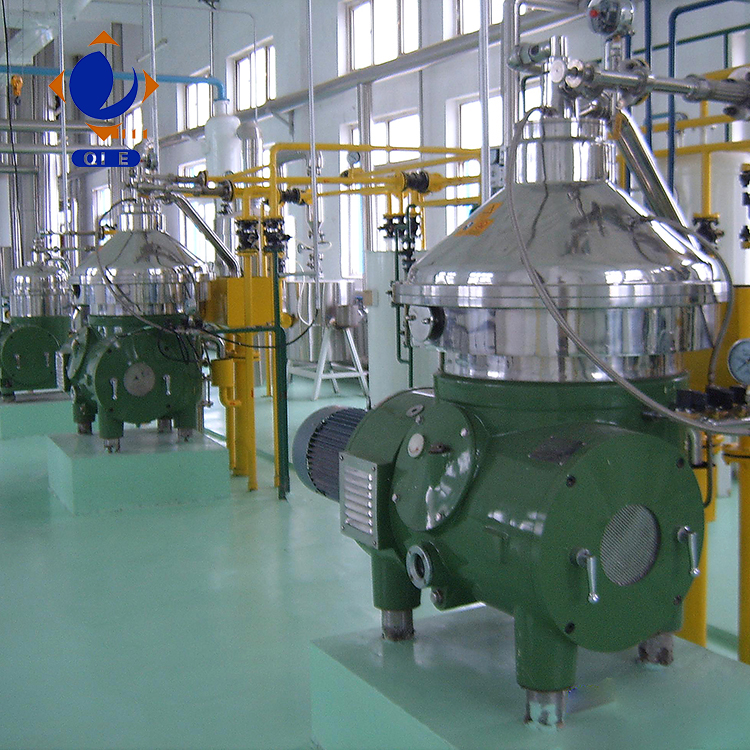
Let's take a real - life example. A sesame oil factory in [Location] was facing high operating costs due to frequent breakdowns and low - efficiency production. After implementing a comprehensive maintenance plan, including daily cleaning, weekly lubrication, and monthly fault diagnosis, the factory reduced its maintenance costs by 25% and increased its production efficiency by 20% within six months. The lifespan of the presses was also extended by at least 3 - 5 years.
In conclusion, by carefully selecting the right medium or large sesame oil press and following a strict maintenance schedule, you can significantly reduce operating costs, improve production efficiency, and ensure the long - term success of your sesame oil production business.

Ready to optimize your sesame oil production? Download our Equipment Maintenance Checklist and schedule a technical consultation to take your business to the next level!





.jpg?x-oss-process=image/resize,m_fill,h_300,w_300/format,webp)
