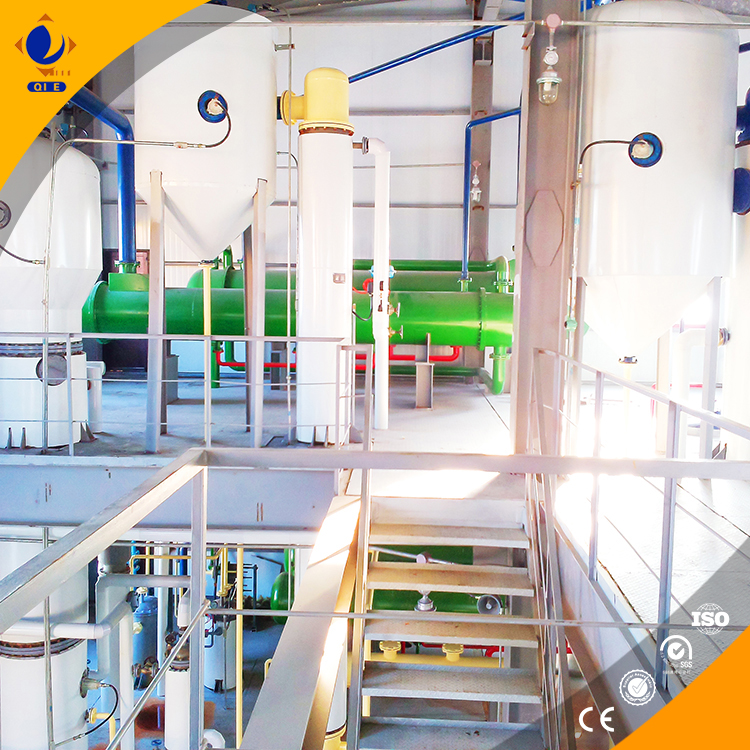
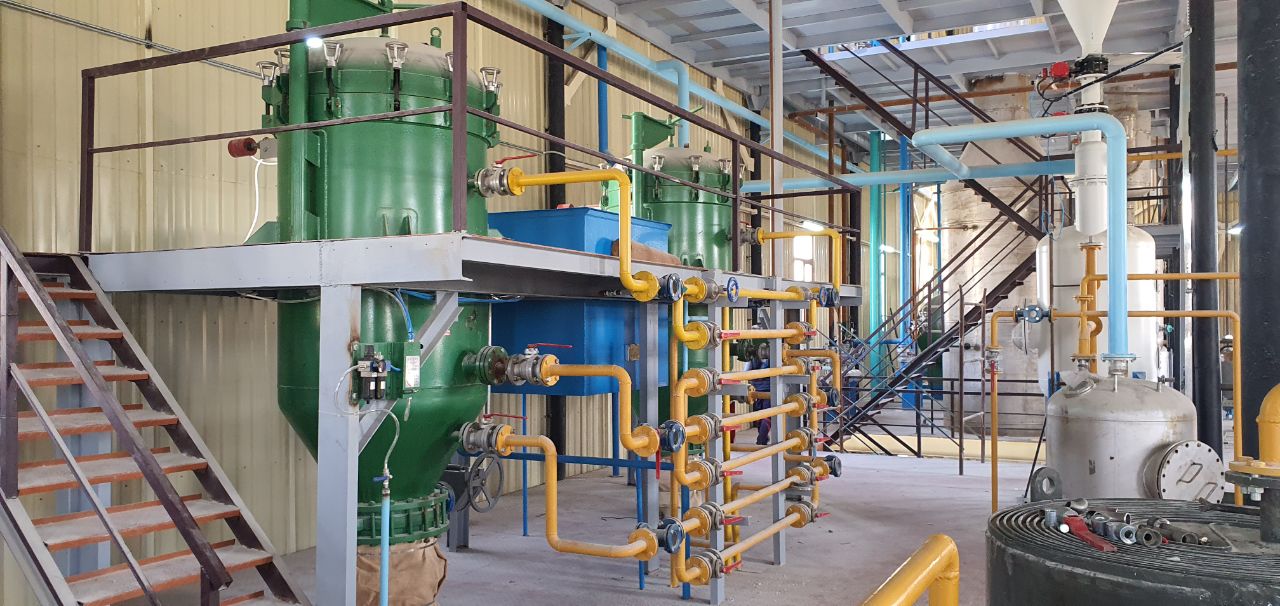
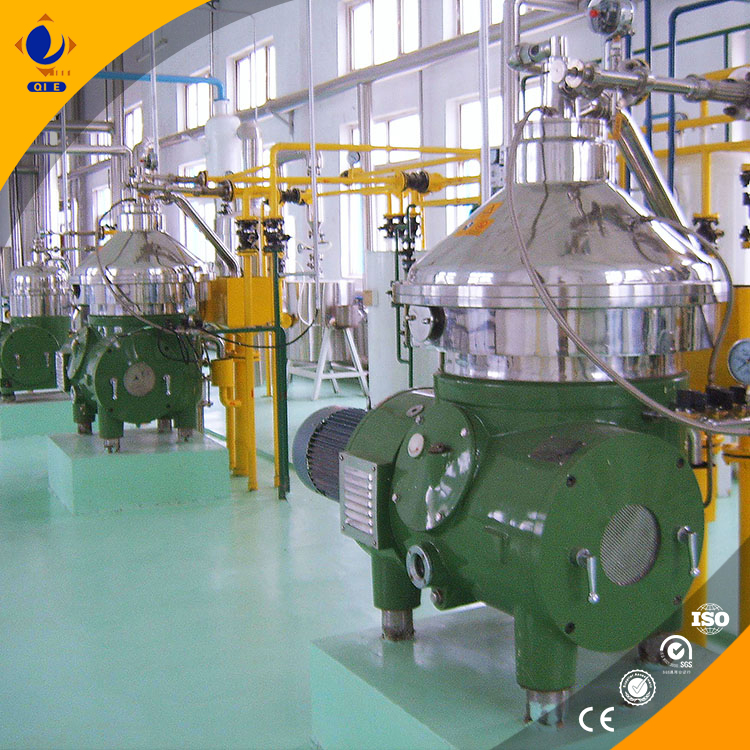
Maintaining solvent extraction sesame oil equipment is pivotal for ensuring consistent oil quality and optimizing operational efficiency within oil pressing plants. This guide consolidates hands-on insights from seasoned engineers with over 15 years of industrial experience, focusing on critical parameters like desolventizing temperature, solvent circulation efficiency, and pressure fluctuations. Technical teams and production managers in small to large-scale plants will find actionable strategies to enhance equipment reliability and extend service life, ultimately securing compliance with industry standards.
Understanding and regulating key operational parameters is fundamental. The desolventizing temperature is typically maintained between 110°C and 130°C. Temperatures below this range risk incomplete solvent removal, increasing residual solvent in the sesame oil, whereas excessively high temperatures can degrade oil quality by inducing oxidation.
Solvent circulation efficiency directly impacts extraction completeness and solvent recovery rates, commonly fluctuating between 85% and 95% in well-maintained systems. Factors such as solvent purity, pump performance, and pipeline integrity must be closely monitored and optimized. For example, adopting variable frequency drives (VFD) on circulation pumps can reduce energy consumption by up to 20% while stabilizing throughput.
Pressure deviations above ±0.2 bar can cause inconsistent solvent flow, leading to uneven extraction and oil quality degradation. Installing automated pressure sensors with alarm systems allows real-time tracking and immediate corrective action. Maintenance schedules should include checking sealing components and relief valves monthly to prevent leaks.
Routine inspection is indispensable for identifying early wear and preventing unplanned downtime. Engineers recommend establishing a replacement cycle for vulnerable components such as baffle plates, pump seals, and heating coils, generally every 6-12 months depending on operational intensity.
Common faults like equipment blockage often arise from incomplete filtration or raw material inconsistency. Rapid diagnostics involve pressure differential readings along filtration units and visual checks for sediment accumulation. Leaks should be addressed immediately by tightening flanges or replacing gaskets to avoid solvent loss and environmental hazards.
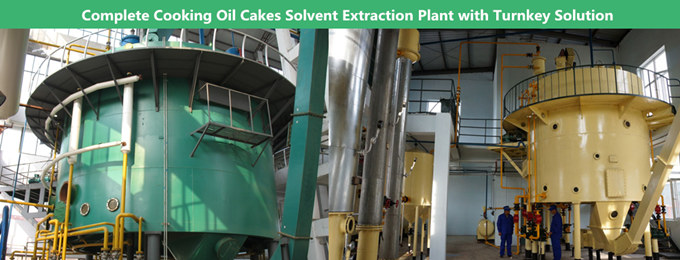
A mid-sized sesame oil plant in Zhejiang province reported frequent bottleneck pressure surges causing solvent residue spikes beyond the acceptable 20 ppm threshold. After an expert audit, it was found that a malfunctioning pressure relief valve and deteriorated heating coils were the culprits.
The implemented solution involved:
Technical teams can follow this flow: Monitor → Detect abnormal parameter → Inspect mechanical components → Clean/Replace parts → Verify operation → Document findings → Preventive scheduling. This systematic approach reduces downtime by 30% on average and improves solvent recovery efficiency by 12%.
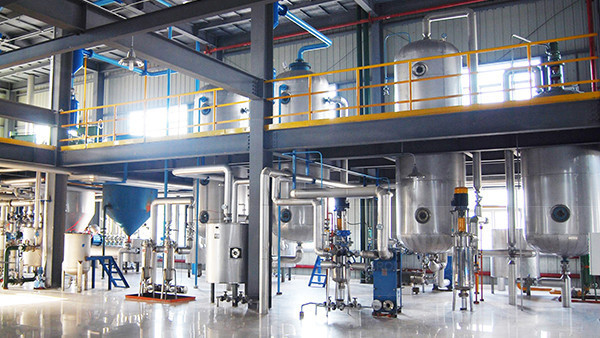
| Maintenance Aspect | Without Proper Maintenance | With Optimized Maintenance |
|---|---|---|
| Average Equipment Lifetime | 5-7 years | 10-12 years |
| Solvent Residue Levels in Oil | >30 ppm | <20 ppm |
| Unplanned Downtime | 15% monthly | <5% monthly |
| Energy Efficiency | Baseline | +18% improvement |
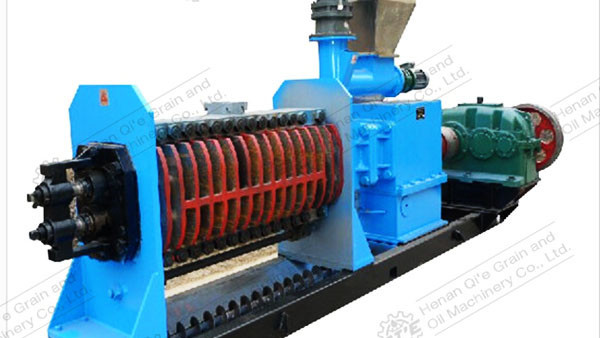
Applying these maintenance methodologies consistently helps plants not only stabilize oil quality but also significantly extends equipment life, translating into measurable cost savings and regulatory compliance.

 301
|
301
|
 small business cold press sesame oil machine
cold press sesame oil technology
sesame oil extractor parameters
oil press performance indicators
oil press maintenance
small business cold press sesame oil machine
cold press sesame oil technology
sesame oil extractor parameters
oil press performance indicators
oil press maintenance
 258
|
cold-pressed sesame oil extraction
unsaturated fatty acid retention
cold press oil machine
healthy edible oil production
sesamin vitamin E preservation
258
|
cold-pressed sesame oil extraction
unsaturated fatty acid retention
cold press oil machine
healthy edible oil production
sesamin vitamin E preservation
 86
|
sesame oil extraction methods
cold pressed sesame oil
hot pressed sesame oil
solvent extracted sesame oil
sesame oil production equipment
86
|
sesame oil extraction methods
cold pressed sesame oil
hot pressed sesame oil
solvent extracted sesame oil
sesame oil production equipment
 351
|
Sesame oil formulation
Natural skincare oil
Food flavoring oil
Sesame oil stability
Antioxidant components
351
|
Sesame oil formulation
Natural skincare oil
Food flavoring oil
Sesame oil stability
Antioxidant components
 161
|
Sesame oil pressing process
Oil extraction rate improvement
Screw pressing technology
Difference between cold - pressing and hot - pressing
Edible oil production equipment
161
|
Sesame oil pressing process
Oil extraction rate improvement
Screw pressing technology
Difference between cold - pressing and hot - pressing
Edible oil production equipment