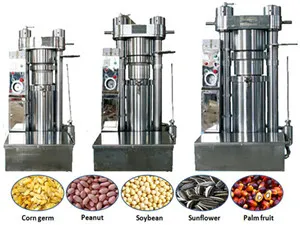
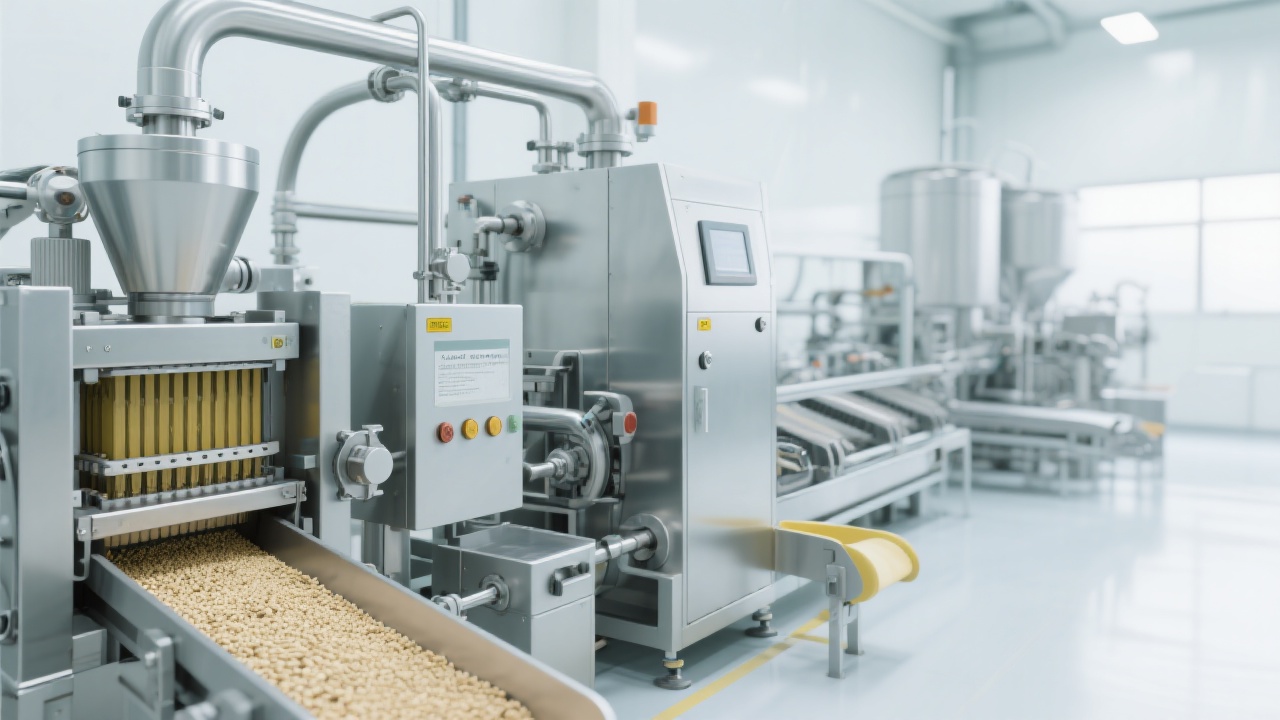
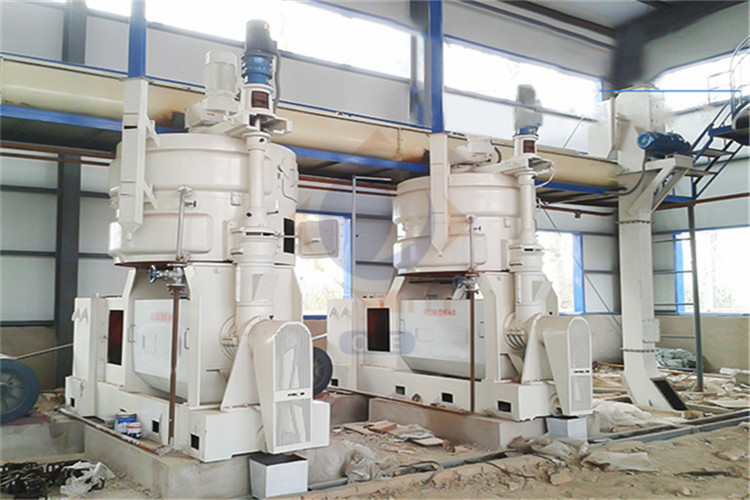
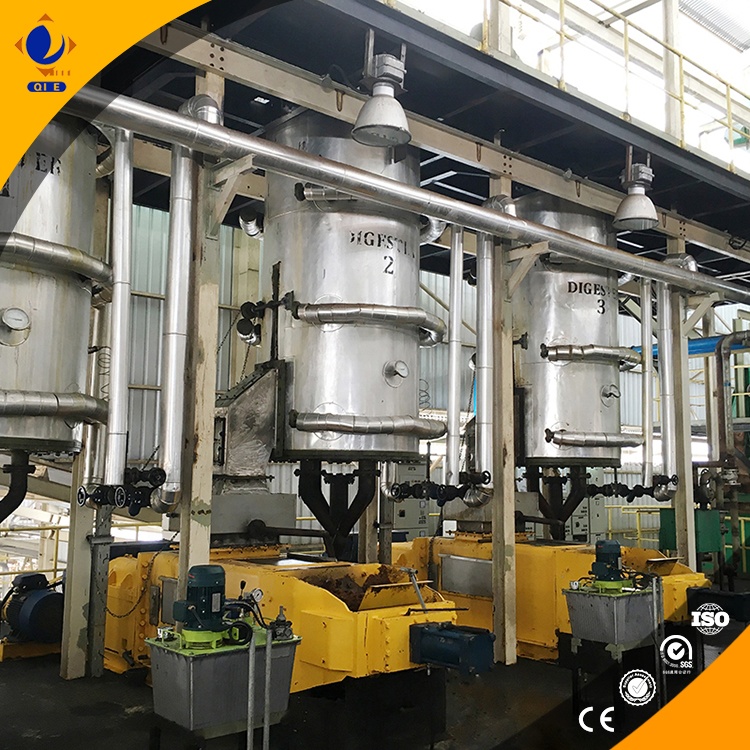
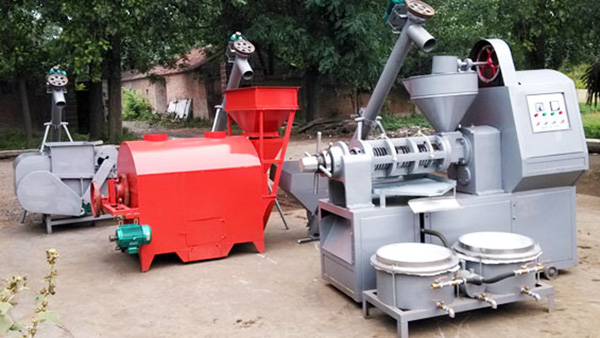
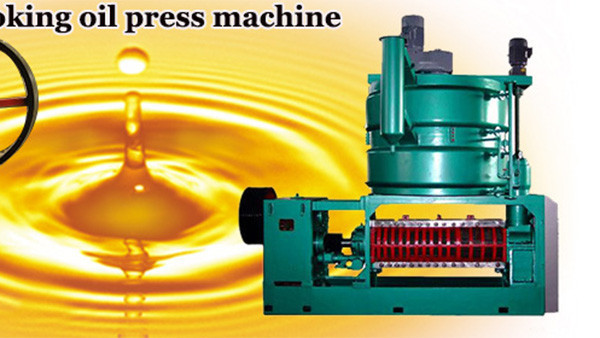
For small-scale producers in Africa, Southeast Asia, and Latin America, choosing the right sesame oil press isn’t just about cost—it’s about reliability, efficiency, and consistency. A well-maintained mini sesame oil machine can deliver up to 92% oil extraction rate when operated correctly (based on field tests from Nigerian and Indian users), while minimizing downtime caused by common issues like clogging or motor overheating.
Unlike traditional hydraulic presses that require frequent manual adjustments, spiral screw-type machines offer automated pressure control through continuous rotation. This design reduces operator error by up to 40%, especially for new users. In cold-press mode (ideal for premium oils), the system maintains consistent temperature below 45°C—preserving aroma compounds such as sesamol and sesaminol that are critical for high-end markets.
Real-world data: One Thai processor reported a 15% increase in yield after switching from batch-style pressing to continuous spiral operation—without changing raw material quality.
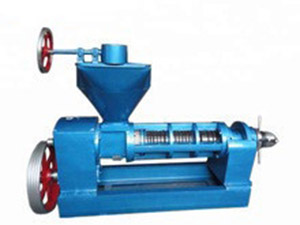
Most small operators default to hot pressing (around 70–80°C) for faster throughput—but this compromises flavor and nutritional value. Cold pressing, though slower, yields oil with higher antioxidant content (up to 30% more phenolic compounds). For export-focused brands targeting EU and Middle Eastern markets, cold-pressed sesame oil commands a 15–20% price premium.
Tip: Always pre-clean your seeds using a 3mm sieve before feeding into the machine. This simple step cuts blockages by over 60% and extends screw life by 2–3 months under regular use.
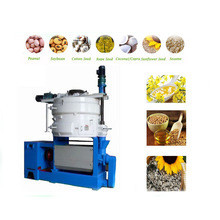
Top-performing units undergo weekly checks: clean the screen mesh, lubricate bearings every 200 hours, and inspect drive belts for wear. Neglecting these steps leads to premature failure—about 70% of breakdowns stem from poor maintenance, not faulty parts.
If you notice reduced output or unusual noise, first check if the feed rate is too fast. Overloading causes torque spikes that strain motors. Use a flow meter or timing method: aim for 1.5–2 kg/min per unit for optimal performance.
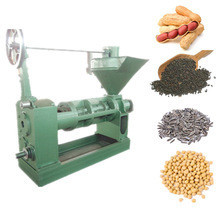
Whether you're running a family-run oil business or expanding into B2B supply chains, mastering your mini sesame oil machine ensures both product quality and long-term profitability. With smart setup, regular care, and process optimization, even small operations can compete globally.
Get our free guide: “5 Proven Tips to Extend Your Mini Sesame Oil Machine’s Lifespan” — plus access to expert support for setup and troubleshooting.
Download Now – No Email Required
 455
|
455
|
 high-quality peanut oil production
peanut oil extraction process
quality control in oil refining
189
|
high-quality peanut oil production
optimal roasting temperature
oil extraction process
high-quality peanut oil production
peanut oil extraction process
quality control in oil refining
189
|
high-quality peanut oil production
optimal roasting temperature
oil extraction process
 89
|
peanut oil production process
high-quality peanut oil methods
hot pressing vs cold pressing peanut oil
89
|
peanut oil production process
high-quality peanut oil methods
hot pressing vs cold pressing peanut oil
 334
|
sesame oil stability testing
natural food seasoning oil
skincare oil formulation
sesame oil application trends
formulation compatibility with sesame oil
334
|
sesame oil stability testing
natural food seasoning oil
skincare oil formulation
sesame oil application trends
formulation compatibility with sesame oil
 180
|
Small sesame oil press
Home sesame oil machine maintenance
Cold - pressed sesame oil equipment
Sesame oil machine cleaning tips
Sesame oil machine selection guide
180
|
Small sesame oil press
Home sesame oil machine maintenance
Cold - pressed sesame oil equipment
Sesame oil machine cleaning tips
Sesame oil machine selection guide





.jpg?x-oss-process=image/resize,m_fill,h_300,w_300/format,webp)