Choosing equipment for a small commercial sesame oil mill starts with the oil you want to produce—not simply the lowest machine price. Seed preparation, pressing temperature, daily production targets and operator availability all affect which configuration is suitable.
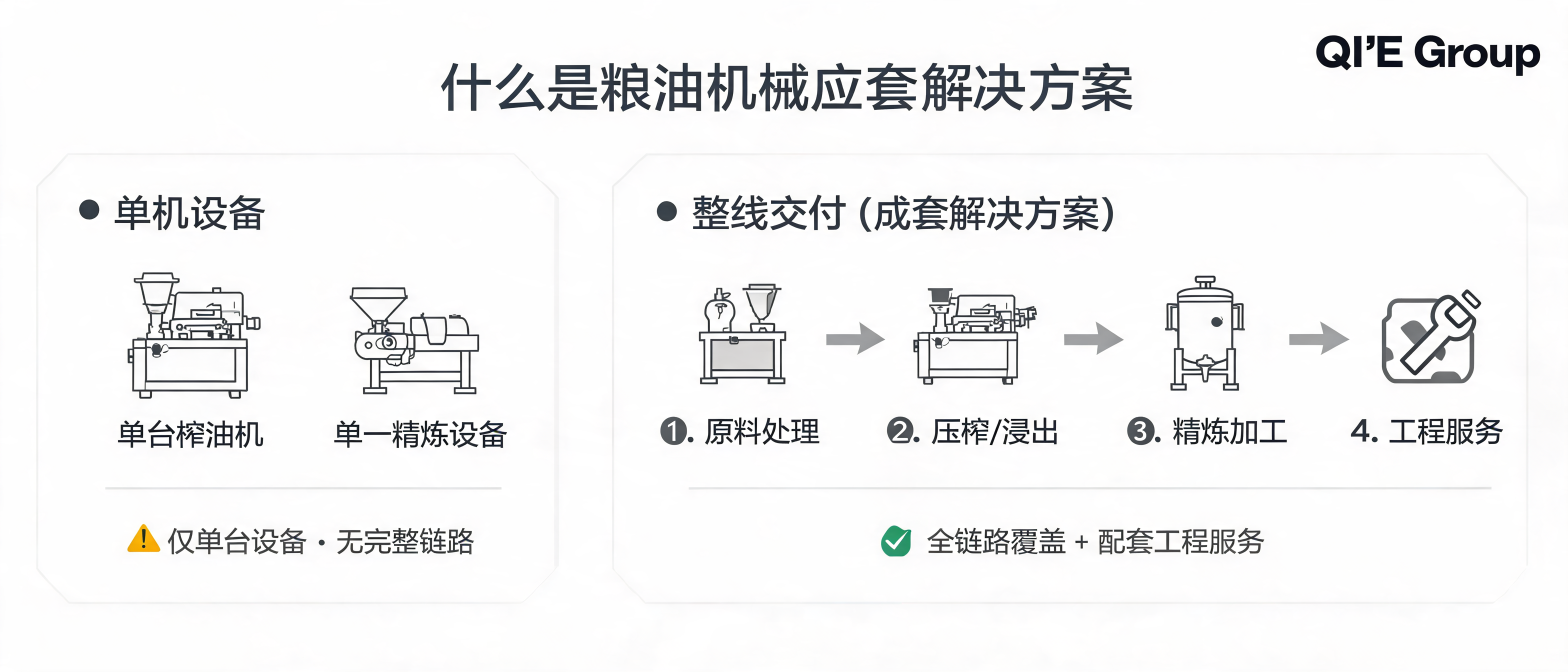
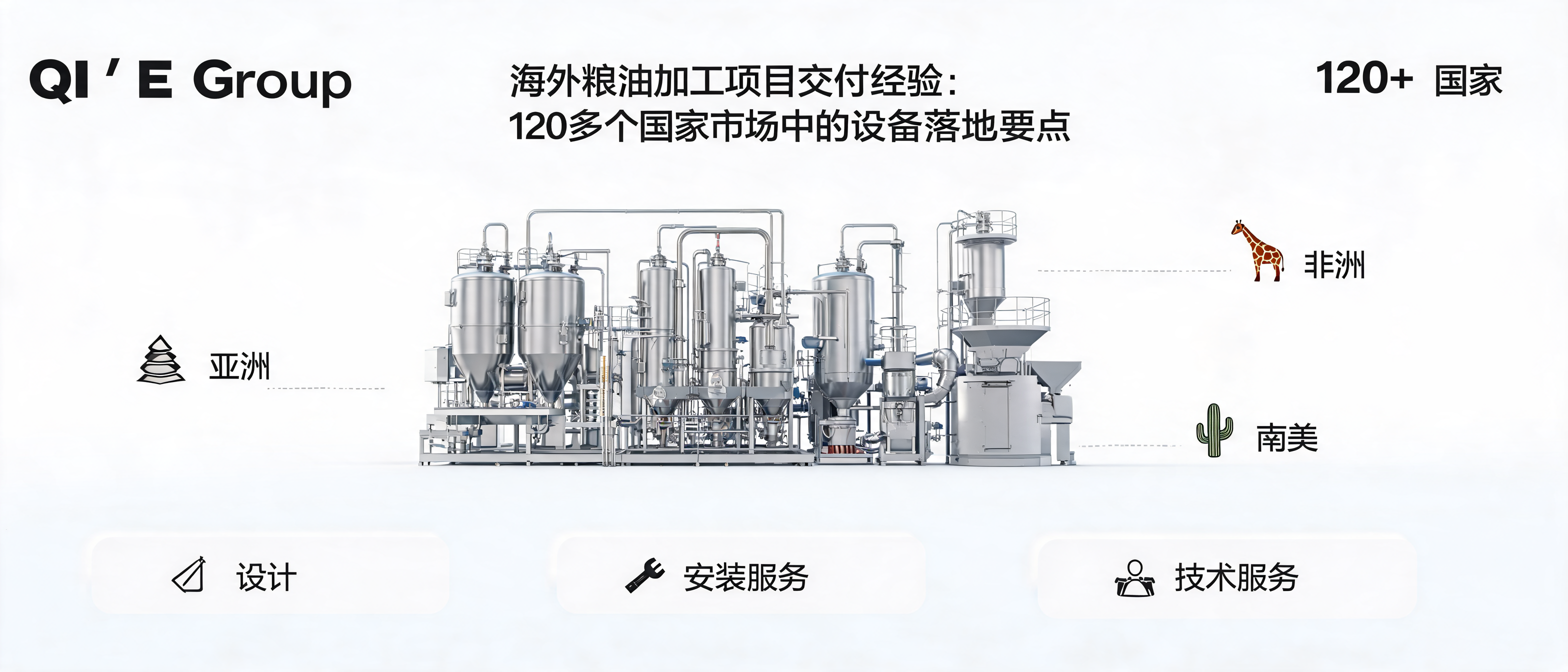
Qi'e Grain and Oil Machinery Co., Ltd. supplies oil pressing equipment and production-line support, including design, installation and technical services. For sesame processors, a useful selection process connects verified cold press performance, realistic operating requirements and a clearly defined equipment budget.
A sesame oil milling machine extracts oil from sesame seeds through mechanical pressure, producing oil and sesame cake. For a small commercial mill, the first decision is whether the intended product is cold-pressed sesame oil or oil made from heated or roasted seeds. These routes require different preparation and temperature-control considerations.
Define what “cold pressed” must mean for your product and destination market. Agree on temperature measurement locations and acceptance criteria rather than relying on the label alone.
Both hydraulic and screw presses can be considered for sesame oil extraction. Their suitability depends on the proposed machine, seed preparation and production schedule—not just the press category.
| Selection point | Hydraulic sesame oil press | Screw sesame oil press |
|---|---|---|
| Extraction principle | Uses hydraulic pressure to compress prepared sesame seeds. | Uses a rotating screw to compress seeds and separate oil from cake. |
| Production planning | Check loading, pressing and unloading time when calculating shift output. | Check stable feed rate, discharge conditions and sustained operating output. |
| Cold press assessment | Verify seed and oil temperatures throughout the pressing cycle. | Verify temperature behavior as the press reaches stable operating conditions. |
| Labor and maintenance | Confirm handling tasks, cleaning access and hydraulic-system service requirements. | Confirm feeding tasks, cleaning access and screw and pressing-chamber maintenance requirements. |
A meaningful sesame oil cold press machine performance comparison uses comparable seeds and test conditions. Seed moisture, cleanliness, pretreatment and operating settings can affect both throughput and oil recovery.
Before ordering: Ask for a model-specific specification and an agreed verification method. General descriptions such as “high efficiency” or “low temperature” do not replace confirmed operating values for your sesame seeds.
Automatic or semi-automatic operation can reduce selected manual tasks, but an automatic sesame oil press does not necessarily automate the entire mill. Compare the work required before, during and after pressing.
The sesame oil milling machine price depends on the selected press, capacity, automation level and supply scope. A machine-only offer is not directly comparable with a complete processing-line quotation. No fixed price is listed here because the configuration and delivery requirements must first be established.
Compare offers using the same seed input target, oil quality requirements and equipment boundaries. This makes it easier to understand whether a price difference reflects press design, automation, auxiliary equipment or services.
A modular layout can help a small mill plan for later expansion without specifying every future machine at the outset. Discuss compatibility and space requirements during the initial design stage; expansion options must be confirmed for the proposed configuration.
For related equipment, explore Qi'e’s cold press oil machines and small oil mill plant equipment. Final selection should remain specific to sesame processing and your required oil characteristics.
To discuss a suitable sesame oil press or small commercial processing line with Qi'e, provide:
These details give Qi'e a basis for discussing equipment selection, supporting process stages and a tailored quotation—with clearer expectations for performance, supply scope and installation requirements.

 400
|
 Qi'e Grain and Oil Machinery Co., Ltd. edible oil production line equipment vegetable oil processing flow oilseed pretreatment equipment edible oil refining equipment
 434
|
Qi'e Grain and Oil Machinery Co., Ltd. grain and oil processing machinery oil pressing equipment oil production line edible oil refining equipment
 245
|
Qi'e Grain and Oil Machinery Co., Ltd. sesame oil press machine edible oil processing equipment oil production line equipment edible oil refining equipment
 240
|
Qieji Group grain and oil machinery solution integrated production line oil pressing equipment edible oil refining
204
|
Qi'e Grain and Oil Machinery Co., Ltd. complete grain and oil processing equipment edible oil production line oil pressing equipment edible oil refining equipment