This tutorial is specifically designed for home users and small - scale start - up workshops. It comprehensively explains how to master the cold - pressing technology of sesame oil from scratch. Let's delve into the key aspects of making sesame oil at home and in small workshops.
Selecting high - quality sesame seeds is the first and most crucial step. Look for plump, clean, and unblemished sesame seeds. For example, white sesame seeds are often preferred for their milder flavor, while black sesame seeds offer a more intense and nutty taste. It's estimated that using top - grade sesame seeds can increase the oil yield by about 10 - 15% compared to lower - quality ones.
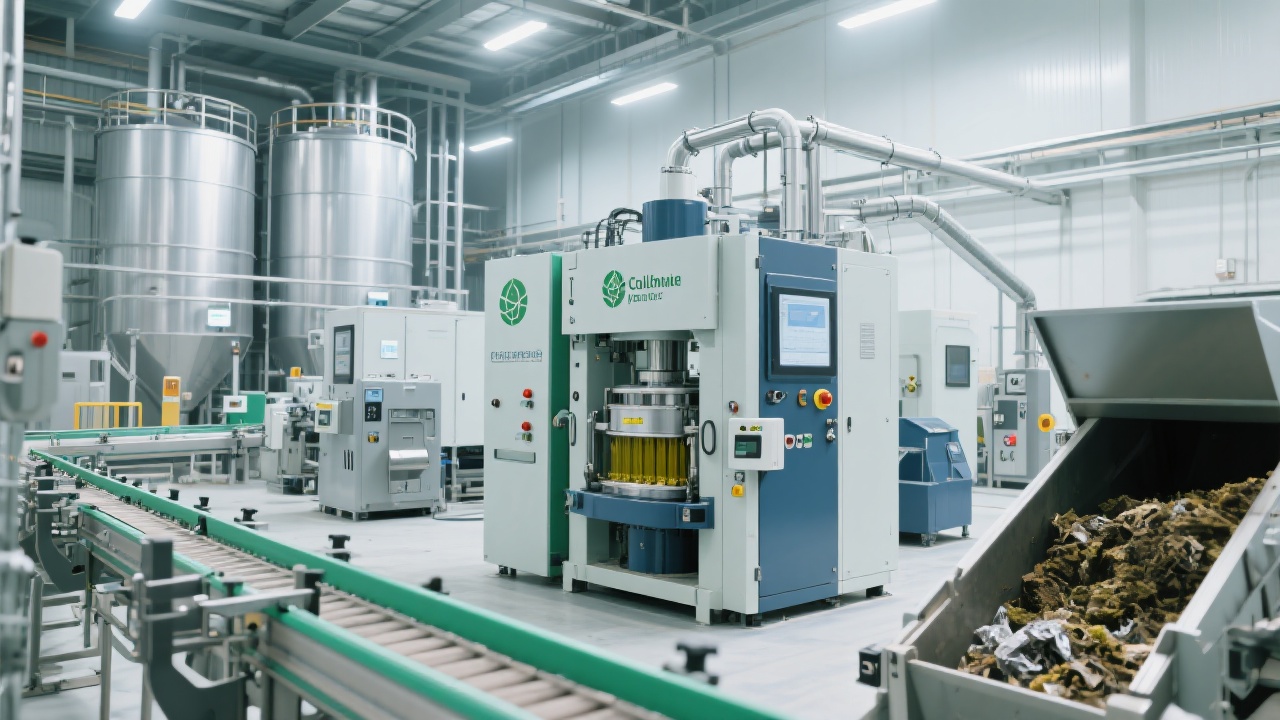
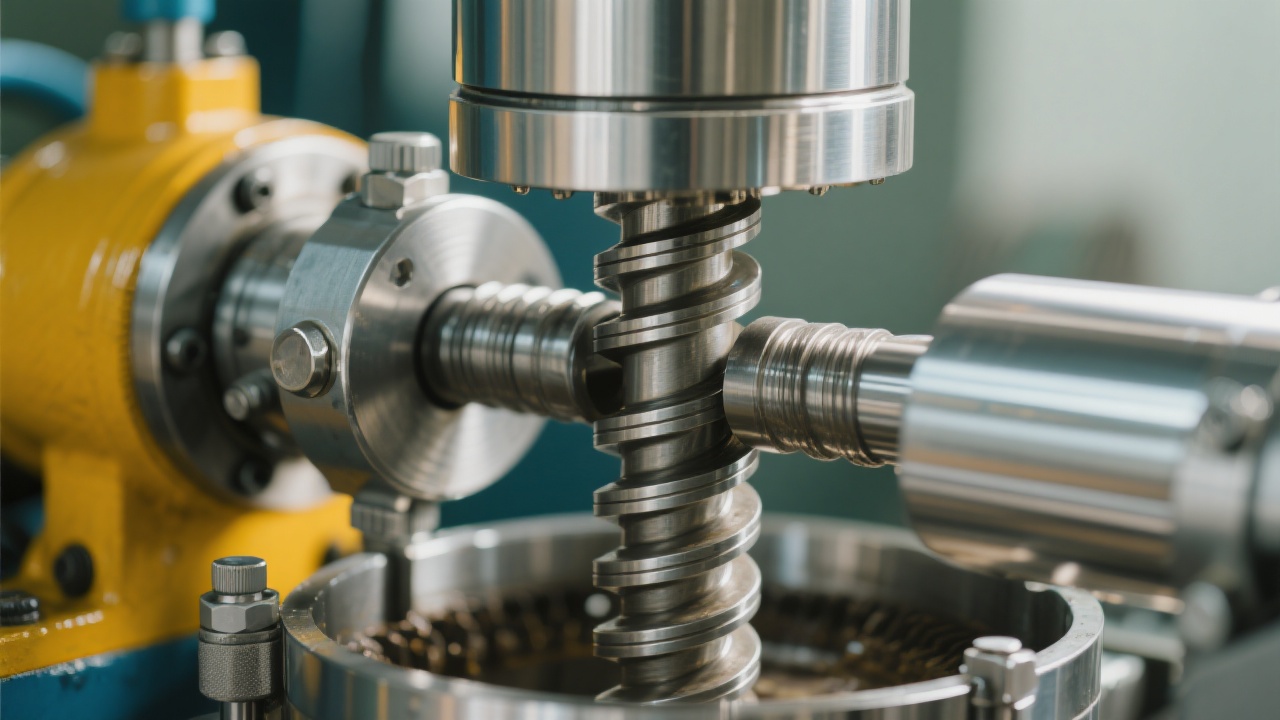
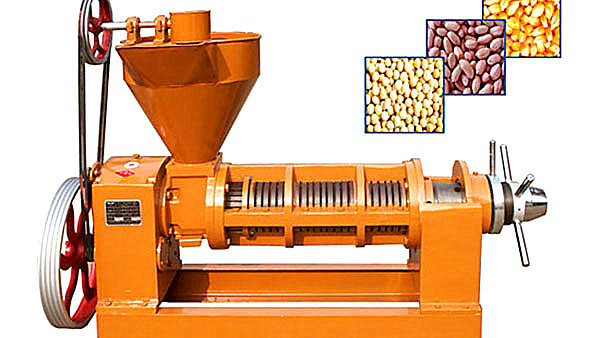
For home and small - scale production, simple and easy - to - operate cold - pressing equipment is recommended. There are various types of cold - pressing machines on the market, such as manual and electric ones. The electric cold - pressing machines are more efficient, capable of processing about 5 - 10 kilograms of sesame seeds per hour. When operating the equipment, make sure to follow the manufacturer's instructions carefully. For instance, pre - heat the machine for about 5 - 10 minutes before starting the pressing process to ensure smooth operation.
The cold - pressing process is the core of making high - quality sesame oil. Unlike traditional hot - pressing methods, cold - pressing preserves more nutrients and natural flavors of the sesame oil. During the cold - pressing process, the temperature should be controlled below 60°C. This can be achieved by adjusting the speed of the pressing machine and the amount of sesame seeds fed into it. For example, feeding about 1 - 2 kilograms of sesame seeds at a time and setting the machine at a medium - low speed can help maintain the appropriate temperature.
Understanding the mechanism of oxidation and spoilage is essential. Oxidation occurs when the oil comes into contact with oxygen, light, and heat. To prevent this, store the oil in dark, air - tight containers and keep them in a cool place. For example, storing the oil at a temperature of 10 - 15°C can significantly slow down the oxidation process. Adding natural antioxidants like vitamin E can also extend the shelf - life of the oil by about 2 - 3 months.
Cost control is an important factor for home users and small workshops. By selecting cost - effective raw materials and equipment, and optimizing the production process, the cost can be reduced by about 15 - 20%. Safety and hygiene should also be emphasized. For example, clean the equipment thoroughly before and after each use to prevent the growth of bacteria. Wear gloves and masks during the production process to ensure personal safety.
There are some common misunderstandings, such as the belief that high - temperature roasting is necessary. In fact, high - temperature roasting can destroy the nutrients in the sesame seeds and affect the quality of the oil. Another misunderstanding is about the identification of qualified oil. Look for clear color, pure aroma, and no sediment in the oil to determine its quality.
To enhance the learning effect, this article is accompanied by flowcharts and actual operation videos. You can watch the videos here to see the whole process more intuitively. There is also a Q&A section below to answer your common questions.
Q: Is it necessary to roast the sesame seeds before cold - pressing?
A: No, cold - pressing does not require high - temperature roasting. Roasting can affect the quality of the oil.
Q: How long can the cold - pressed sesame oil be stored?
A: If stored properly, it can be stored for about 6 - 12 months.
Are you interested in making high - quality sesame oil at home? Our sesame oil cold - pressing machine is easy to operate and suitable for home and small - scale production. Click here to learn more!
 40
|
40
|
 high-efficiency cold press hydraulic oil press machine
sesame oil press machine
oil extraction machine for sesame oil
nutrient preservation oil press machine
small-scale oil extraction equipment
energy-efficient hydraulic oil press
flexible production oil press machine
zero-damage cold pressing technology
premium edible oil press machine
versatile oil extraction machine
high-efficiency cold press hydraulic oil press machine
sesame oil press machine
oil extraction machine for sesame oil
nutrient preservation oil press machine
small-scale oil extraction equipment
energy-efficient hydraulic oil press
flexible production oil press machine
zero-damage cold pressing technology
premium edible oil press machine
versatile oil extraction machine
 59
|
export-grade peanut oil production process
oil yield influencing factors
hot pressing vs cold pressing techniques
59
|
export-grade peanut oil production process
oil yield influencing factors
hot pressing vs cold pressing techniques
 123
|
Sesame Cold Press Oil Extractor
Sesame Oil Press Machine
high-quality sesame oil extractor
cold pressing sesame seeds
durable sesame oil extractor
customizable sesame oil press
energy-efficient oil extraction
sesame seed oil production equipment
reliable sesame oil manufacturing
industrial sesame cold press machines
123
|
Sesame Cold Press Oil Extractor
Sesame Oil Press Machine
high-quality sesame oil extractor
cold pressing sesame seeds
durable sesame oil extractor
customizable sesame oil press
energy-efficient oil extraction
sesame seed oil production equipment
reliable sesame oil manufacturing
industrial sesame cold press machines
 50
|
custom oilseed processing line
plant oil production equipment
oilseed pre-treatment and pressing
50
|
custom oilseed processing line
plant oil production equipment
oilseed pre-treatment and pressing
 444
|
sesame oil expeller selection
automated sesame oil press
industrial sesame oil processing
oil extraction efficiency
sesame oil machine maintenance
444
|
sesame oil expeller selection
automated sesame oil press
industrial sesame oil processing
oil extraction efficiency
sesame oil machine maintenance







.jpg?x-oss-process=image/resize,m_fill,h_400,w_400/format,webp)