
Is your pressing machine still wasting precious sesame seeds? Unlocking just 3 critical steps can push your sesame oil yield upward — and stabilize quality while cutting energy costs. This guide navigates you through the proven operational logic behind switching between cold and hot pressing modes, as well as the essential raw material pretreatment processes that elevate output efficiency in medium to large-scale sesame oil extraction plants.
Cold pressing preserves the natural aroma and nutrients of sesame oil but usually yields 10-15% less oil compared to hot pressing. On the other hand, hot pressing — involving higher temperatures — increases extraction efficiency and output but may slightly sacrifice sensory and shelf-life qualities.
The key is identifying the optimal switching point based on factors like seed moisture, roast level, and your target oil quality. Typically, raw materials with moisture content between 6.5%-7.5% favor cold pressing, exceeding which triggers the need for hot pressing to prevent clogging and inefficient extraction.
Before seeds ever meet the press, their condition determines your yield ceiling. The pretreatment steps—screening, drying, and roasting—each play a vital role:
| Pretreatment Step | Impact on Yield | Operational Tips |
|---|---|---|
| Screening | Removes broken or low-quality seeds that lower efficiency by up to 5% | Use vibration sieves with mesh calibrated to remove debris and undersized seeds |
| Drying | Controls seed moisture; ideal range 6.8%-7.4% maximizes efficiency by 8-10% | Employ automated moisture sensors and low-temperature drying to avoid damage |
| Roasting (炒籽) | Realizes chemical changes for higher oil release; improper roast reduces yield by 4-7% | Maintain uniform roasting temperature around 130-140°C with real-time monitoring |
Even after optimizing pretreatment and pressing mode, unexpected yield drops may occur. Common causes include:
Implementing proactive monitoring systems such as inline moisture sensors and automated pressing mode controls can reduce these fluctuations by 20-25%.
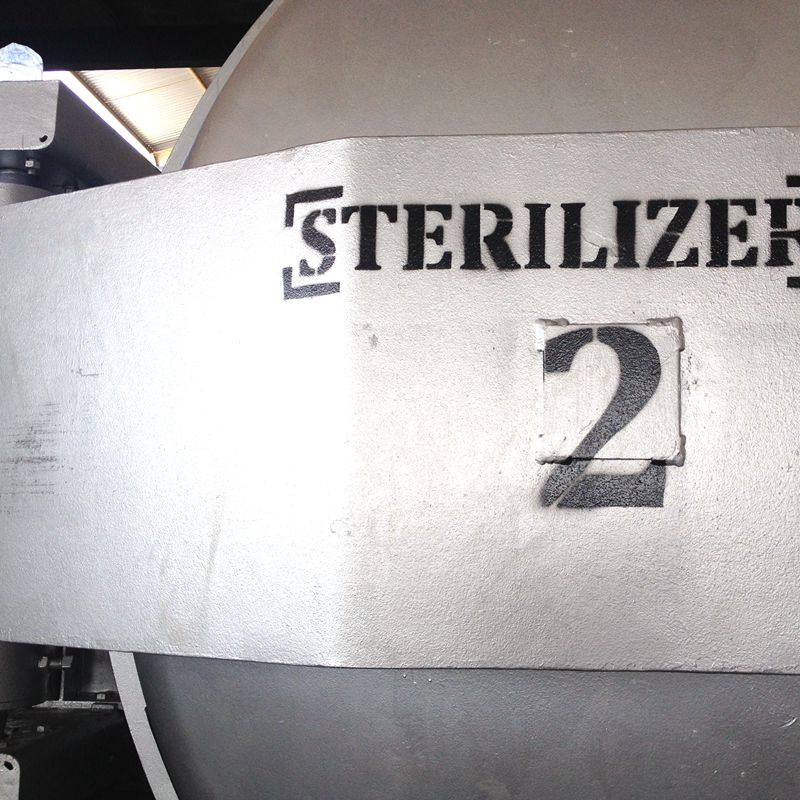
A prominent sesame oil producer improved their medium-to-large scale plant output by refining pretreatment workflows:
Result: a sustained 12% increase in oil yield, with steady quality and reduced energy consumption by 8%.
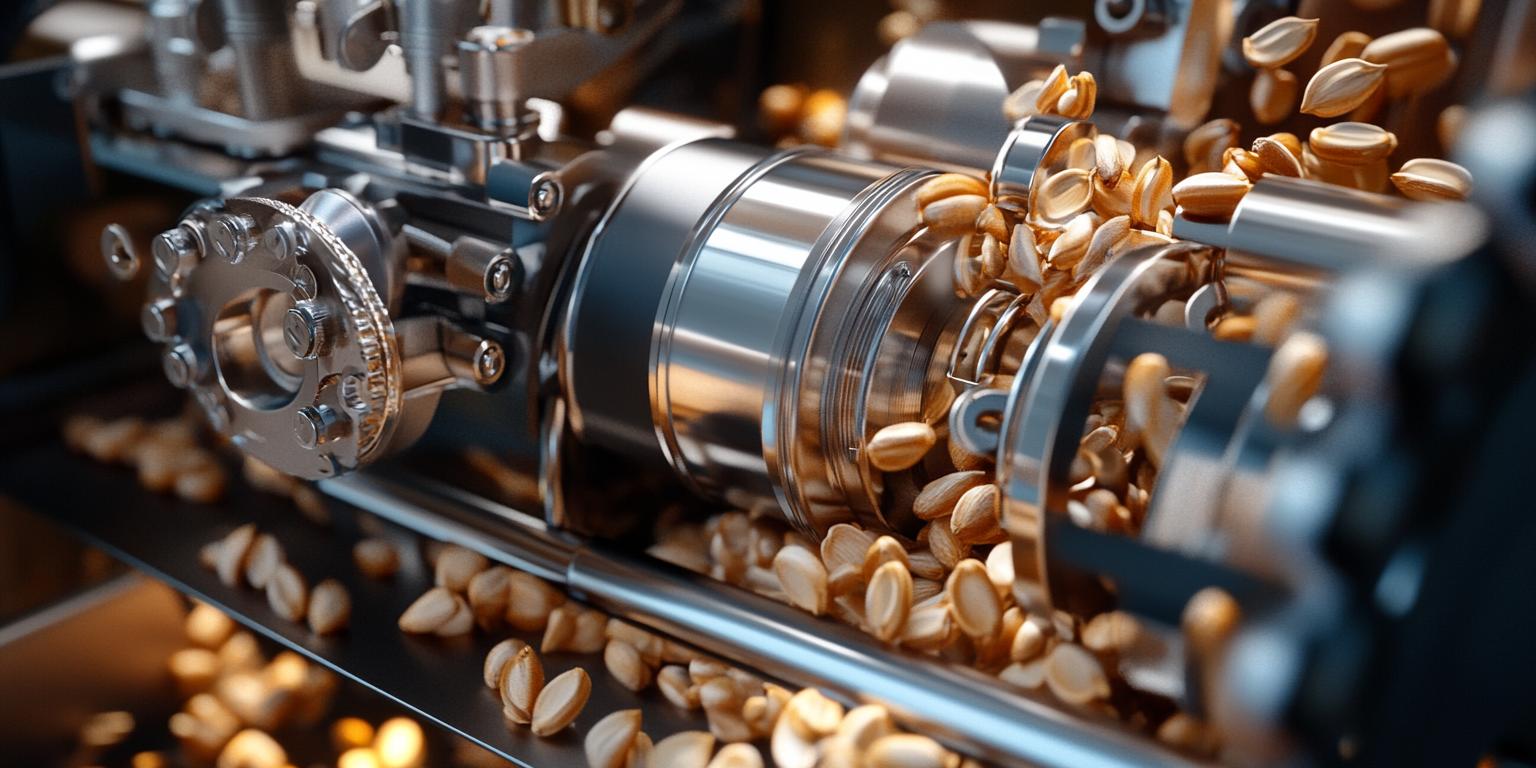
Different sesame oil pressing machines come with varying degrees of automation:
- Fully automatic lines allow for precise control on all parameters, reducing human error and consistently hitting the ideal switching points for pressing modes.
- Semi-automatic setups require skilled operators to read seed conditions and make manual adjustments, offering flexibility but requiring training investment.
Selecting the right machinery depends on your production scale, budget, and desired precision in oil quality control.
“Controlling raw material moisture within ±0.3% of the target range and switching pressing modes based on real-time seed temperature and moisture measurements is industry best practice for maximizing oil yield.” – Industry Expert, Sesame Oil Equipment Manufacturer
Don’t let your pressing machines go underutilized. Implement these 3 key technical steps now — optimized raw material pretreatment, precise cold/hot pressing switching, and smart automation — to raise your sesame oil yield.
Explore Our Advanced Sesame Oil Pressing Solutions




