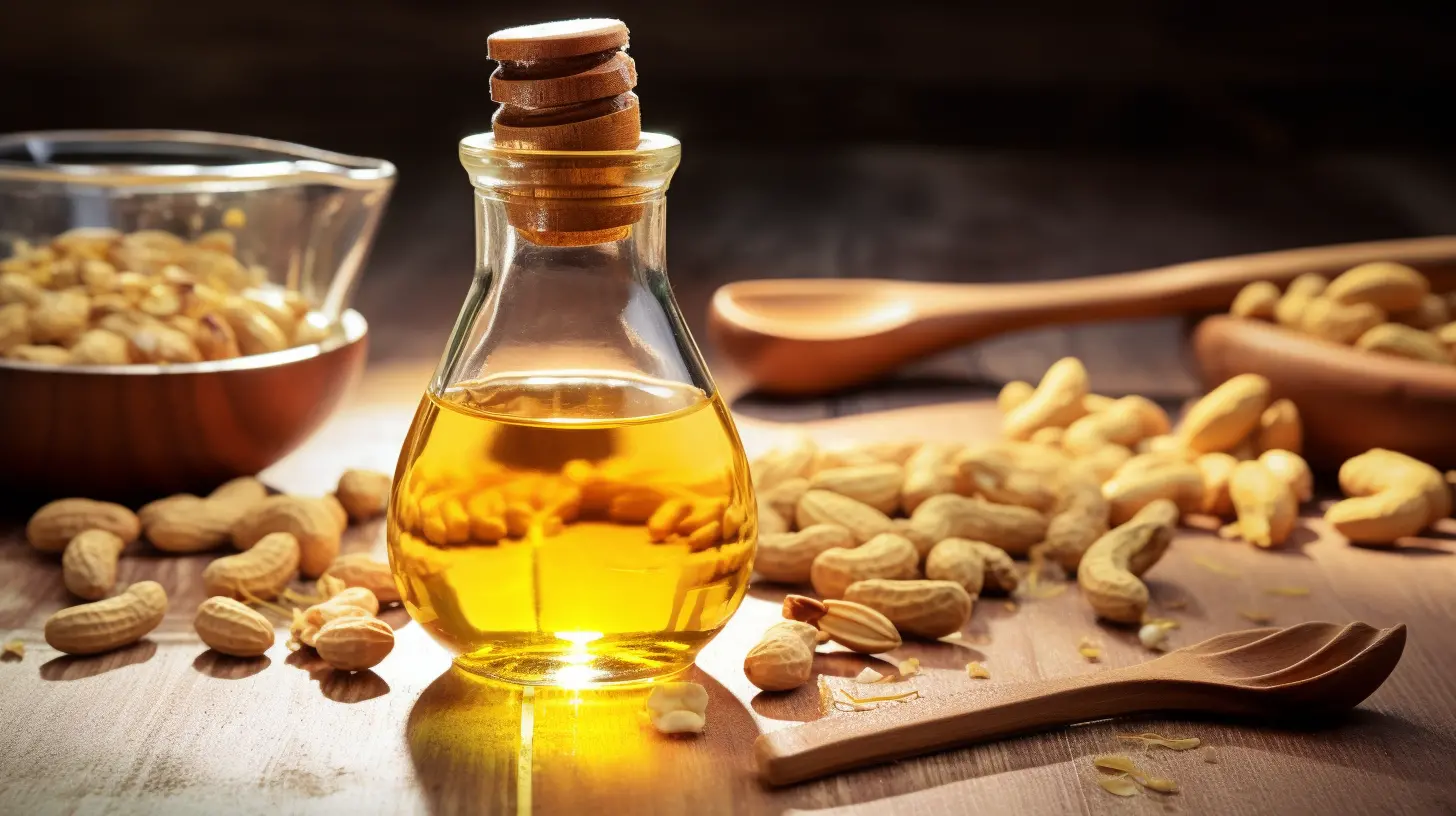
Sesame oil, treasured for centuries in culinary and cosmetic traditions, owes its versatility and functionality to its intricate chemical profile. At the heart of this profile lie abundant unsaturated fatty acids and potent antioxidants, which synergistically enhance sesame oil’s stability, nutritional value, and efficacy across diverse applications—from gourmet food preparation to natural skincare formulations.
The predominant fatty acids in sesame oil are unsaturated, notably oleic acid (monounsaturated, ~40–50%) and linoleic acid (polyunsaturated, ~35–45%). These compounds contribute not only to the oil’s fluidity and mouthfeel but also provide cardiovascular benefits recognized by global health authorities. Their unsaturated nature supports better skin absorption and barrier repair when formulated into topical products.
Complementing these fats are antioxidants such as sesamol, sesamin, and tocopherols (vitamin E variants), which collectively confer oxidative stability and extend shelf life. Industry research reports indicate sesame oil’s antioxidant capacity ranks above 70% compared to other common culinary oils, underscoring its superior resistance to rancidity during storage and thermal processing.
Modern food technologists leverage sesame oil's balanced fatty acid composition to enhance nutritional profiles in salad dressings and baked goods. For example, adding 3–5% sesame oil in bread recipes imparts a pleasant nutty aroma and improves moisture retention without compromising texture. Additionally, cold-pressed sesame oil is increasingly favored for raw applications, such as cold salads, due to its rich antioxidant content and minimal processing.
In cosmetology, sesame oil’s emollient properties and high antioxidant levels make it an excellent base for hair oils and facial creams. Formulations with 10–15% sesame oil exhibit improved skin hydration and photo-protection. Further, scientific stability tests demonstrate that sesame oil inclusion enhances the oxidative resilience of natural cosmetic products by up to 40%, reducing the likelihood of ingredient degradation during product shelf-life.
Successful formulation demands precise balancing. For food products, the recommended sesame oil addition ranges from 1% (as a flavor accent) to 7% (functional fat replacement). In skincare, sesame oil typically constitutes 5–15% of the oil phase within emulsions. Pairing sesame oil with complementary antioxidants like rosemary extract can further elevate product stability by 15–20%, as demonstrated by accelerated aging tests.
Stability testing protocols involve peroxide value measurement and differential scanning calorimetry (DSC) to assess oxidation onset temperatures. Such practices ensure sesame oil-enriched formulations maintain efficacy throughout their intended shelf lives.
Industry surveys reveal a 35% year-over-year increase in demand for natural oils rich in bioactive compounds, driven by consumers’ preference for clean-label and multifunctional ingredients. Food manufacturers and cosmetic formulators are embracing sesame oil due to its dual role as a nutritional booster and a natural preservative.
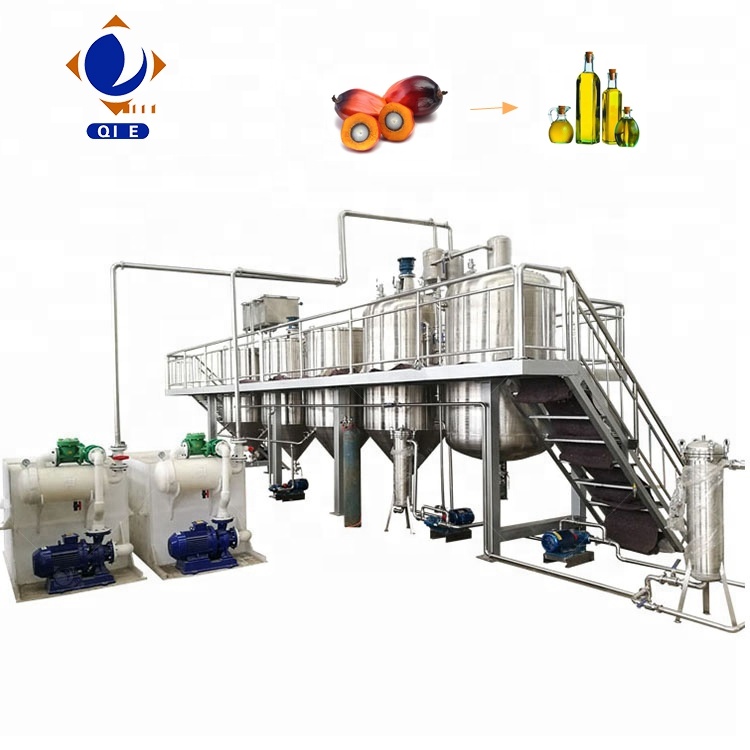
Businesses investing in high-quality sesame oil extraction technology can capitalize on this trend by producing premium-grade oils tailored to specific application needs, optimizing yield and preserving functional components. This strategic positioning enhances brand differentiation in competitive global markets.

 43
|
43
|
 Sesame Oil Milling Machine Price
Sesame Oil Press Machine for Sale
High Efficiency Sesame Oil Milling Machine
Sesame Oil Milling Machine Price
Sesame Oil Press Machine for Sale
High Efficiency Sesame Oil Milling Machine
 448
|
Sesame Oil Press Machine
Sesame Oil Extraction Machine
Cold Pressed Sesame Oil Machine
Hot Press Sesame Oil Machine
Industrial Sesame Oil Press
Small Sesame Oil Press
Medium Sesame Oil Press
Sesame Oil Production Equipment
Organic Sesame Oil Press Machine
448
|
Sesame Oil Press Machine
Sesame Oil Extraction Machine
Cold Pressed Sesame Oil Machine
Hot Press Sesame Oil Machine
Industrial Sesame Oil Press
Small Sesame Oil Press
Medium Sesame Oil Press
Sesame Oil Production Equipment
Organic Sesame Oil Press Machine
 187
|
Sesame oil oxidation prevention techniques
Home - based oil pressing anti - spoilage
Cold - pressed sesame oil storage methods
Sesame oil shelf life extension
Small - scale sesame oil production tutorial
187
|
Sesame oil oxidation prevention techniques
Home - based oil pressing anti - spoilage
Cold - pressed sesame oil storage methods
Sesame oil shelf life extension
Small - scale sesame oil production tutorial
 420
|
peanut oil production process
hot vs cold pressing benefits
sustainable reuse of peanut cake
420
|
peanut oil production process
hot vs cold pressing benefits
sustainable reuse of peanut cake






.jpg?x-oss-process=image/resize,m_fill,h_300,w_300/format,webp)
.jpg?x-oss-process=image/resize,m_fill,h_400,w_400/format,webp)