Sesame oil production, a cornerstone of edible oil manufacturing, hinges on precise temperature management. Proper thermal regulation throughout the extraction process is not only pivotal for maximizing oil yield but also crucial for preserving sensory qualities and nutritional integrity. Industrial operators and small-scale producers alike face challenges balancing these parameters to avoid common pitfalls such as off-flavors, reduced oil yield, and nutrient degradation.
The chemical composition and physical characteristics of sesame oil—such as flavor profile, color, and stability—are sensitive to temperature fluctuations during processing stages. Excessive heat accelerates oxidation reactions, leading to rancidity and loss of bioactive compounds, whereas suboptimal temperatures impede oil release from seeds.
Scientific studies indicate that maintaining processing temperatures within a narrowly defined range (typically 80–120°C) optimizes oil viscosity and permeability, facilitating higher extraction efficiency without triggering harmful thermal degradation. For example, empirical data reveal that exceeding 130°C can increase the likelihood of generating “burnt” or “smoky” flavors due to Maillard reactions and pyrolysis.
| Processing Stage | Optimal Temperature Range (°C) | Technical Rationale |
|---|---|---|
| Seed Pre-treatment (Roasting/Heating) | 90 - 110 | Enhances oil release by softening cell structure; avoids nutrient loss |
| Cold Pressing & Mechanical Extraction | ≤ 50 (cold press) / 60 - 70 (warm press) | Preserves antioxidants and natural aroma; higher warmth increases yield but risks quality |
| Refining & Filtering | 70 - 90 | Removes impurities without initiating oxidation or flavor loss |
*Note: Precise temperature control must align with equipment-specific calibration and seed variety considerations.
Industrial sesame oil extraction systems typically integrate advanced temperature sensors and intelligent control algorithms to maintain ±2°C accuracy in target temperature zones. Such precision directly correlates with consistent oil quality and yields averaging 45–50%. In contrast, small-scale or traditional pressing equipment often rely on manual temperature control with coarse estimations, exposing the process to deviations that can reduce yield by 10–15% and introduce undesirable sensory notes.
For instance, a comparative operational audit showed that industrial plants using intelligent temperature control systems reduced off-flavor incidents by 70% and cut unnecessary energy consumption by approximately 30% due to optimized heating cycles.
Inaccurate thermal management commonly results in:
Implementing a structured temperature monitoring and control framework is vital. The following approach enhances operational reliability:
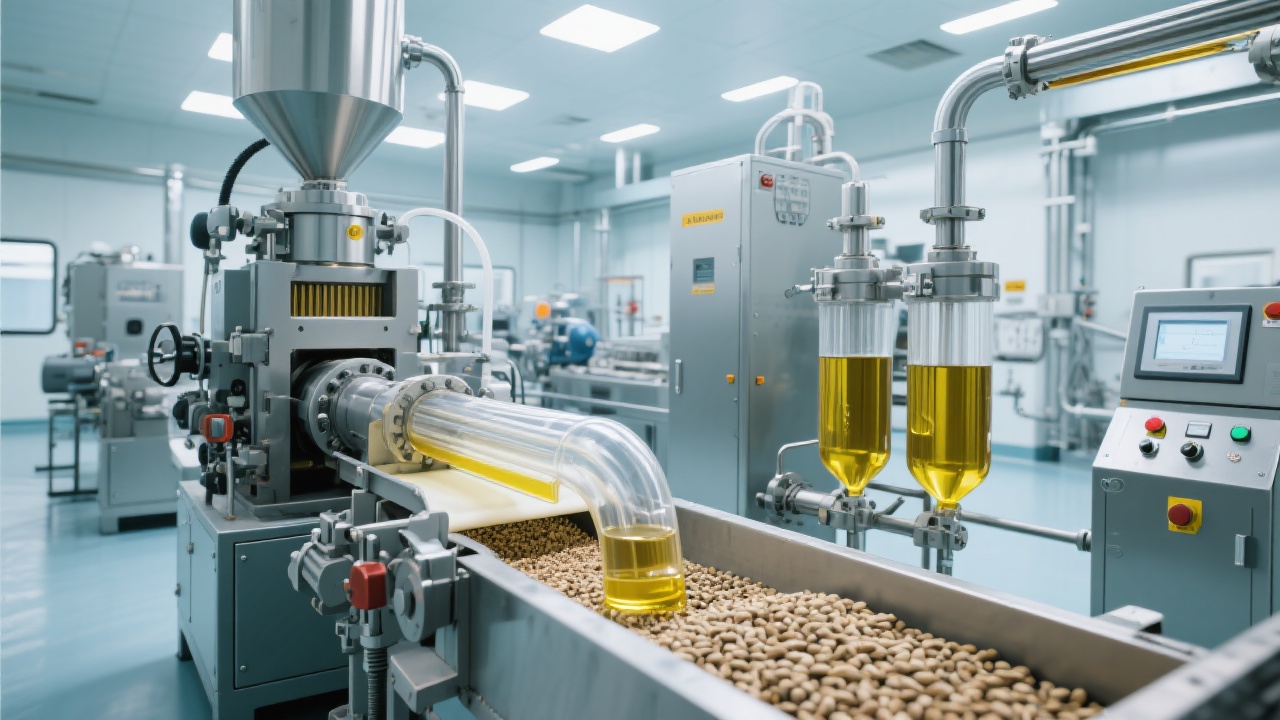
Experts emphasize the rising adoption of intelligent temperature control systems, noting their dual benefit of enhancing oil quality while reducing energy waste by nearly 30%. These systems dynamically adjust heating inputs based on seed moisture and composition, ensuring precision beyond traditional manual regulation.
Discover Advanced Sesame Oil Extraction Equipment with Intelligent Temperature Control





.jpg?x-oss-process=image/resize,m_fill,h_300,w_300/format,webp)
.jpg?x-oss-process=image/resize,m_fill,h_400,w_400/format,webp)