In both food and skincare industries, sesame oil is no longer just a flavor enhancer—it’s a functional ingredient prized for its rich profile of unsaturated fats (like oleic and linoleic acid) and natural antioxidants such as sesamol and tocopherols. According to the 2024 Global Natural Ingredients Report by Mintel, over 68% of consumers in North America and Europe now prefer products with plant-based oils like sesame—driving demand for transparent quality assurance.
While sesame oil adds depth to salad dressings, baked goods, and hair serums, it’s also prone to oxidation when exposed to heat, light, or oxygen. A study published in Food Chemistry (2023) found that unoptimized sesame oil formulations can degrade up to 40% faster under standard storage conditions (25°C, 60% humidity), leading to rancidity and loss of aroma—critical issues for brands aiming for shelf-life consistency.
Key Stability Metrics:
Formulators in the US and EU are increasingly pairing sesame oil with natural stabilizers like rosemary extract (at 0.1–0.3%) or vitamin E (tocopherol blend). In a pilot project by a UK-based skincare brand, this combination extended shelf life by 72 days without altering sensory properties—a win for both safety and sustainability.
For food applications, adding a small amount of citric acid (0.05%) helps prevent metal-catalyzed oxidation during high-temperature processing (e.g., baking or frying). This simple tweak improves oxidative stability while maintaining clean-label appeal—a key factor in B2B procurement decisions.
A Thai food-tech startup used accelerated stability testing (ISO 2787 method) to validate their sesame oil-based marinade product before launching into the Middle East market. By adjusting the packaging material (from PET to aluminum laminate) and reducing oxygen exposure during bottling, they achieved a 90-day shelf life at ambient temperature—meeting local import requirements and boosting customer trust.
These real-world insights show that stability isn’t just a lab metric—it’s a commercial differentiator. Brands that invest in rigorous testing and smart formulation not only reduce waste but also build long-term buyer confidence across foodservice, retail, and beauty sectors.
Pro Tip: If you're sourcing sesame oil for your own product lines, consider working with manufacturers who offer third-party lab reports (e.g., ISO 17025 certified) and clear documentation on extraction methods—cold-pressed vs. solvent-extracted makes a measurable difference in performance.
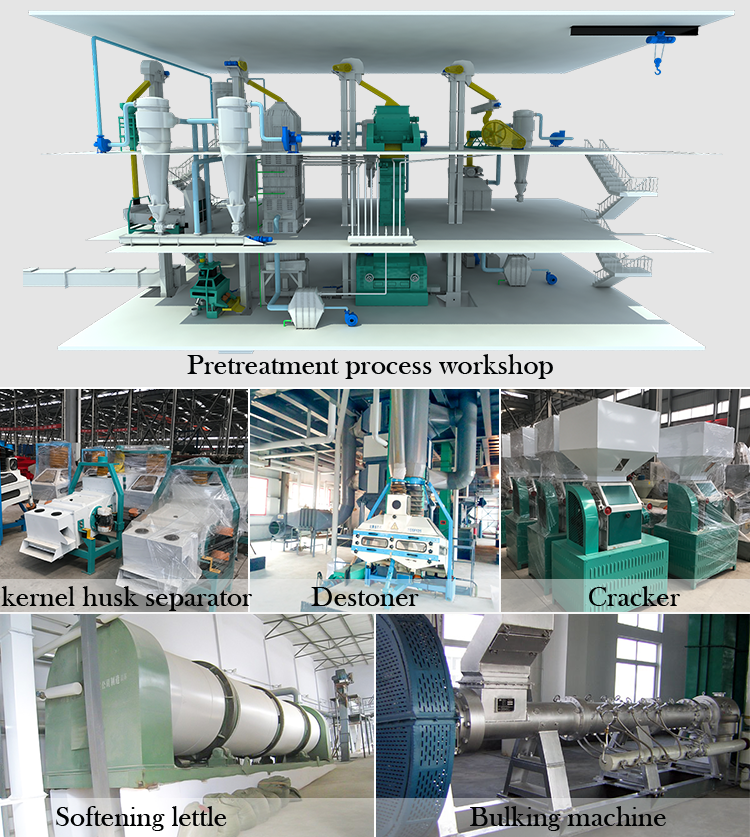
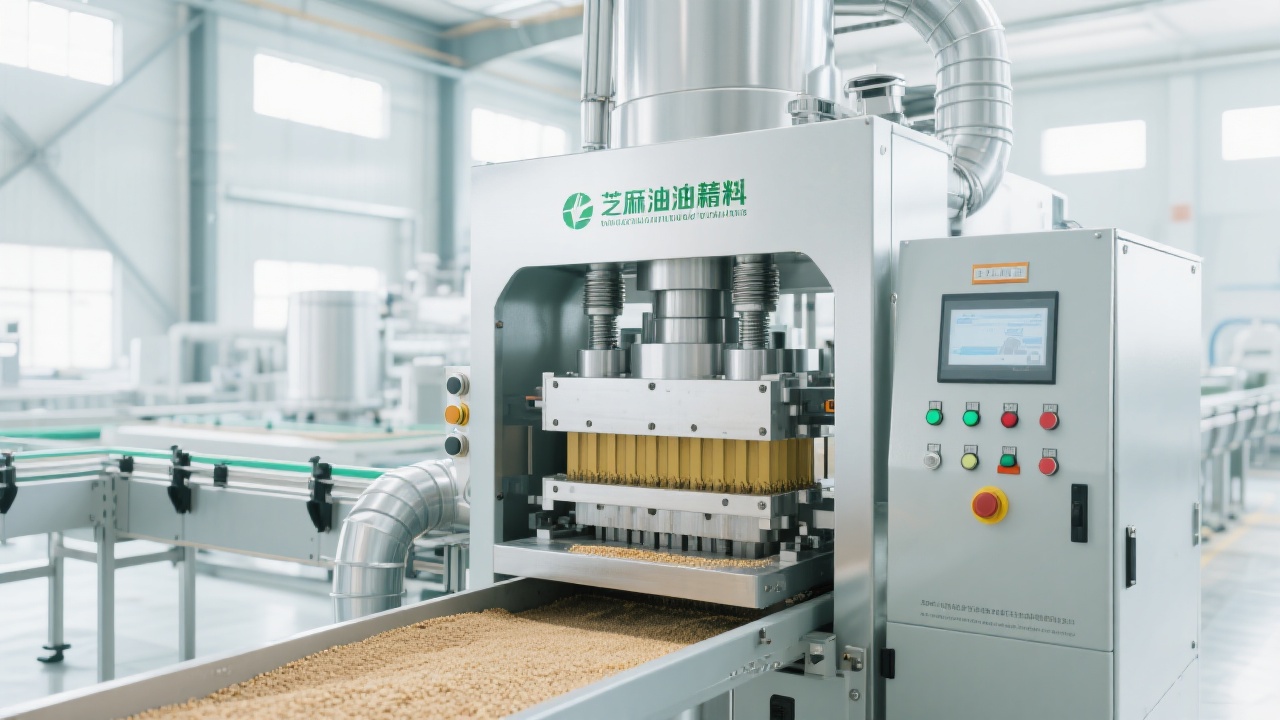
If you’re a food developer, cosmetics formulator, or private label brand looking to leverage sesame oil’s full potential—without compromising on quality—you need reliable, scalable production tools that ensure consistency from batch to batch.
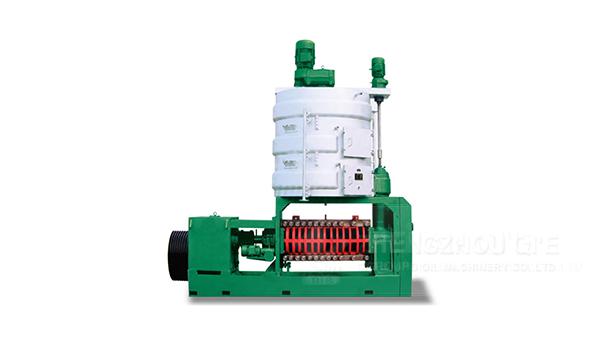
Explore Our Industrial Sesame Oil Processing Equipment
 283
|
283
|
 cold pressed sesame oil oxidation prevention
homemade sesame oil recipe
sesame oil storage method
cold press sesame oil technique
small scale sesame oil production
cold pressed sesame oil oxidation prevention
homemade sesame oil recipe
sesame oil storage method
cold press sesame oil technique
small scale sesame oil production
 434
|
high-quality peanut oil production techniques
peanut oil quality control
peanut oil extraction process
434
|
high-quality peanut oil production techniques
peanut oil quality control
peanut oil extraction process
 297
|
Sesame oil extraction process
Reasons for low oil yield
Sesame oil off - flavor investigation
Sesame oil manufacturing machines
Optimization of oil extraction technology
297
|
Sesame oil extraction process
Reasons for low oil yield
Sesame oil off - flavor investigation
Sesame oil manufacturing machines
Optimization of oil extraction technology
 59
|
customized oilseed production line
oilseed preprocessing equipment
scalable vegetable oil production solutions
316
|
Home sesame oil production tutorial
Cold - pressing oil equipment recommendation
Sesame oil home production skills
Small workshop oil extraction methods
Sesame oil anti - oxidation storage
59
|
customized oilseed production line
oilseed preprocessing equipment
scalable vegetable oil production solutions
316
|
Home sesame oil production tutorial
Cold - pressing oil equipment recommendation
Sesame oil home production skills
Small workshop oil extraction methods
Sesame oil anti - oxidation storage








.jpg?x-oss-process=image/resize,m_fill,h_300,w_300/format,webp)


.jpg?x-oss-process=image/resize,m_fill,h_400,w_400/format,webp)