You’re making sesame oil in your small-scale kitchen — and you want every drop to be pure, safe, and flavorful. But how do you know if what you're producing meets real standards?
Expert Tip: “The best way to judge sesame oil quality isn’t just by taste — it’s by consistency. If your oil changes color or smell within 2 weeks, it’s likely oxidized or improperly stored.” — Dr. Lin Mei, Food Safety Consultant
Use only high-quality, unroasted sesame seeds — ideally from certified suppliers. Poor-grade seeds (like those with visible mold or musty odor) can lead to off-flavors and higher acid values even before pressing.
Pro tip: A simple test — soak 10g of seeds in water for 1 hour. If they float, discard them — that means they’ve lost density and may contain impurities.
Many home producers overheat their seeds during roasting — this accelerates oxidation and reduces shelf life. Aim for a roast temperature between 120°C–140°C (248°F–284°F), not above 160°C.
If you're using a manual press, check your oil clarity after 24 hours. Clear, amber-colored oil = good. Cloudy or dark yellow = potential contamination or overheating.
| Acid Value Range | What It Means |
|---|---|
| ≤ 1.0 mg KOH/g | Excellent – suitable for export-grade oils |
| 1.0–2.5 mg KOH/g | Acceptable for local markets |
| > 2.5 mg KOH/g | Avoid selling — indicates spoilage or poor processing |
Light exposure and oxygen are your biggest enemies. Always store in dark glass bottles (preferably amber) with tight lids — no plastic jugs!
Ideal storage temp: 15–20°C (59–68°F). At room temp (~25°C), shelf life drops from 6 months to ~3 months.
Your oil达标了吗?
Share your results below — we’ll help you interpret them! What’s your average acid value? How long does your oil last without flavor change?
Whether you’re scaling up or just starting out, building a reliable QA process is your fastest path to trust — and repeat orders.
Get precise control over temperature, pressure, and yield — without compromising on purity.
Try Our Home-Scale Sesame Oil Maker Today
 181
|
181
|
 Sesame Oil Maker Machine
Sesame Oil Press Machine
High Yield Sesame Oil Maker
Cost Saving Sesame Oil Production
Easy Operation Sesame Oil Maker
Sesame Oil Production Equipment
Factory Direct Sesame Oil Machine
Versatile Sesame Oil Maker
Commercial Sesame Oil Machine
Natural Sesame Oil Production
Sesame Oil Maker Machine
Sesame Oil Press Machine
High Yield Sesame Oil Maker
Cost Saving Sesame Oil Production
Easy Operation Sesame Oil Maker
Sesame Oil Production Equipment
Factory Direct Sesame Oil Machine
Versatile Sesame Oil Maker
Commercial Sesame Oil Machine
Natural Sesame Oil Production
 485
|
Sesame Cold Press Oil Extractor
Sesame Oil Press Machine
High-Performance Sesame Oil Extractor
485
|
Sesame Cold Press Oil Extractor
Sesame Oil Press Machine
High-Performance Sesame Oil Extractor
 392
|
seed preprocessing equipment for vegetable oil production
efficient oilseed processing solutions
customized oilseed processing machinery
392
|
seed preprocessing equipment for vegetable oil production
efficient oilseed processing solutions
customized oilseed processing machinery
 245
|
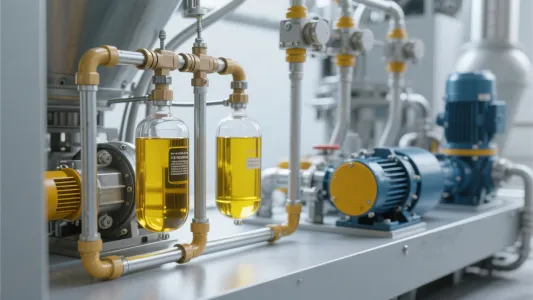
sesame oil industrial production line
automated control system for edible oil
sesame oil quality consistency
oil refining process optimization
food-grade sesame oil production
245
|
sesame oil industrial production line
automated control system for edible oil
sesame oil quality consistency
oil refining process optimization
food-grade sesame oil production
 283
|
small-scale palm oil equipment
customized oil pressing equipment
hot and cold pressing process
environmentally friendly oil pressing equipment
efficient oil production line
283
|
small-scale palm oil equipment
customized oil pressing equipment
hot and cold pressing process
environmentally friendly oil pressing equipment
efficient oil production line








.jpg?x-oss-process=image/resize,m_fill,h_300,w_300/format,webp)

.jpg?x-oss-process=image/resize,m_fill,h_400,w_400/format,webp)
.jpg)