When aiming to enhance sesame oil yield without compromising its rich flavor and nutritional profile, mastering the entire pressing process is essential. From meticulous raw material selection to the nuanced application of cold and hot pressing methods, this guide walks you through the critical technical steps that help you achieve consistent, high-quality output.
Successful sesame oil production starts with choosing premium sesame seeds. Your raw materials should meet strict purity benchmarks—moisture content below 7%, impurity level less than 1%, and minimal broken seeds under 2%. These parameters are crucial, as excess moisture or foreign matter directly degrade oil quality and reduce pressing efficiency. Use combined screening and air blow separation techniques to systematically remove dust, husks, stones, and unsuitable seeds before processing.
By applying this dual-step cleaning, you not only protect your equipment from damage and clogging but also ensure that the extracted oil retains its natural aroma and nutritional benefits.
Understanding the differences between cold and hot pressing methods enables you to tailor production to market demands. Cold pressing maintains sesame seed temperatures below 50°C, conserving delicate aromatic compounds and heat-sensitive nutrients such as vitamin E and polyunsaturated fats. Although cold pressing typically yields 10-15% less oil, the premium quality it delivers commands higher market value.
Conversely, hot pressing heats seeds typically between 120°C and 150°C, increasing oil yield by up to 30%-35% but at the expense of some aroma and nutrient loss. This method suits producers focusing on volume and cost efficiency.
| Feature | Cold Pressing | Hot Pressing |
|---|---|---|
| Operating Temp. | Below 50°C | 120°C - 150°C |
| Oil Yield | Lower (10%-15%) | Higher (30%-35%) |
| Aroma & Nutrient Retention | Excellent | Moderate |
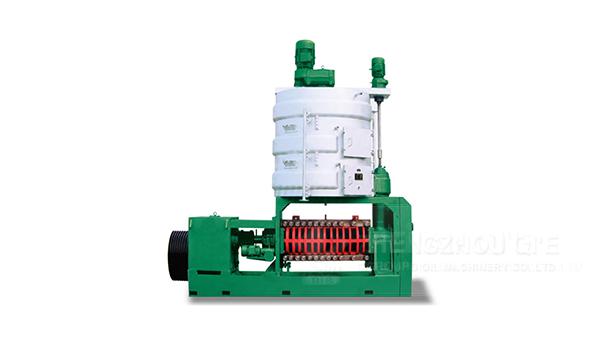
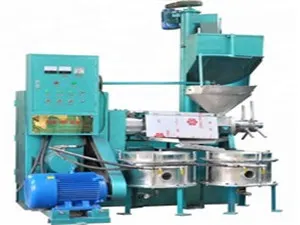
Your spiral pressing machine is the heart of the extraction process. Proper parameter adjustment can boost output by more than 30%. Key factors include:
Common challenges such as material blockage, low oil output, and temperature fluctuations can be mitigated by regular maintenance, cleaning feeding vents, and using calibrated thermometers with feedback controls.

Consider a mid-sized sesame oil processing facility that implemented rigorous raw material cleaning combined with fine-tuning the spiral press’s rotation speed from 40 rpm down to 28 rpm, coupled with precise feed rate calibration. Over a three-month period, the facility observed:
These results highlight how attention to operational details can dramatically improve your bottom line without heavy investments.

Address these frequent problems with proven solutions:

What challenges have you faced when pressing sesame oil? Share your experience below, and let's explore how best practices can help you maximize yield and maintain exceptional quality.
 62
|
62
|
 peanut oil refining equipment
multifunctional oil processing technology
sustainable small oil mill solutions
peanut oil refining equipment
multifunctional oil processing technology
sustainable small oil mill solutions
.jpg?x-oss-process=image/resize,h_300,m_lfit/format,webp) 439
|
Sesame oil pressing process
Sesame oil cold - pressing process
Quality of hot - pressed sesame oil
Sesame oil production technology
Sesame oil pressing equipment
439
|
Sesame oil pressing process
Sesame oil cold - pressing process
Quality of hot - pressed sesame oil
Sesame oil production technology
Sesame oil pressing equipment
 111
|
sesame oil market trends
cold pressed sesame oil
sesame oil export opportunities
edible oil processing equipment
sesame oil production technology
111
|
sesame oil market trends
cold pressed sesame oil
sesame oil export opportunities
edible oil processing equipment
sesame oil production technology
 490
|
peanut oil production process
hot-pressed peanut oil technique
cold-pressed peanut oil technique
490
|
peanut oil production process
hot-pressed peanut oil technique
cold-pressed peanut oil technique
 204
|
small sesame oil press machine
cold-pressed sesame oil equipment
home sesame oil extractor
sesame oil machine maintenance
sesame oil press troubleshooting
204
|
small sesame oil press machine
cold-pressed sesame oil equipment
home sesame oil extractor
sesame oil machine maintenance
sesame oil press troubleshooting