
When it comes to your factory's sesame oil production, choosing the right medium or large - scale sesame oil press is crucial. First, you need to consider the production capacity. For factories with a production demand ranging from 500 - 2000 kg/h or even on a ton - scale, different equipment configurations are required.
According to industry data, if your factory's production demand is around 500 - 1000 kg/h, a semi - automatic press might be a cost - effective choice. It can meet the production needs while keeping the investment relatively low. However, for factories with a demand of over 1000 kg/h, a fully automatic press is recommended. It can significantly improve production efficiency and reduce labor costs. Expert advice: When choosing the automation level, also consider your factory's existing workforce skills and future expansion plans.
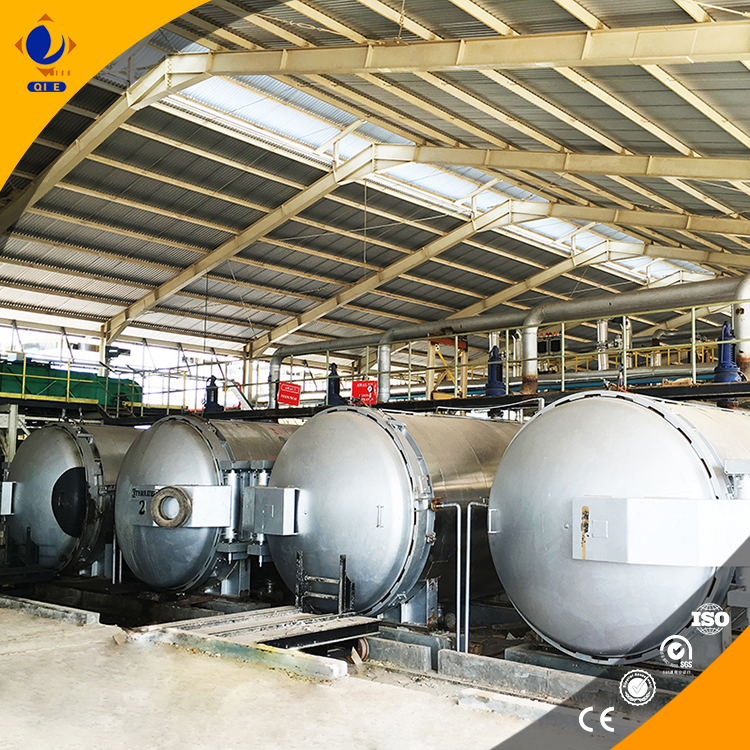
The first step in the operation process is raw material cleaning. This step is essential as impurities in sesame seeds can affect the quality of the oil and the lifespan of the equipment. You should ensure that the cleaning process can remove dirt, stones, and other foreign objects effectively.
Next is the pre - heating or cold - pressing treatment. Hot pressing can generally increase the oil yield, but it may also affect the flavor and nutritional value of the oil. Cold pressing, on the other hand, can preserve the natural flavor and nutrients of sesame oil. You can choose the appropriate method according to your market demand. Industry standard: The pre - heating temperature for hot pressing usually ranges from 100 - 120°C.
After the pre - treatment, the sesame seeds enter the screw extrusion stage. The screw press squeezes the oil out of the seeds through continuous pressure. The key here is to control the extrusion speed and pressure to ensure maximum oil extraction.
Once the oil is squeezed out, it needs to be separated from the residues. This can be achieved through methods such as filtration or centrifugation. Efficient oil - residue separation can improve the purity of the oil.
The final step is refining integration, which includes processes like degumming, deacidification, decolorization, and deodorization. These processes can further improve the quality and stability of the sesame oil.
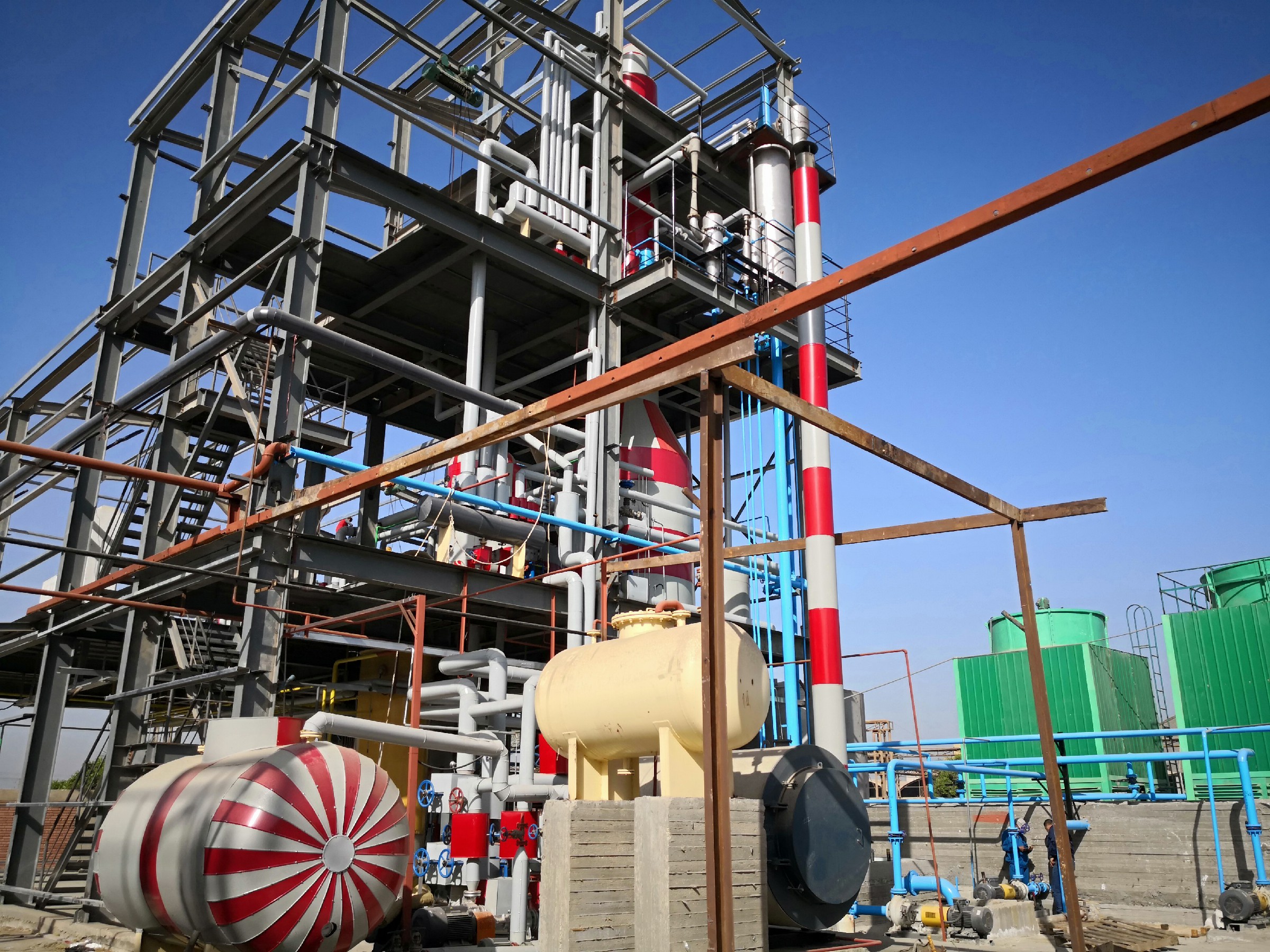
Regular maintenance is essential for the long - term operation of sesame oil presses. Here are some key maintenance points:
A food factory optimized the pressing parameters of its sesame oil press. As a result, the oil yield increased by 8%, and the unplanned downtime was reduced by 30%. This case shows that by optimizing the operation and maintenance of the equipment, your factory can also achieve significant improvements in production efficiency and economic benefits.
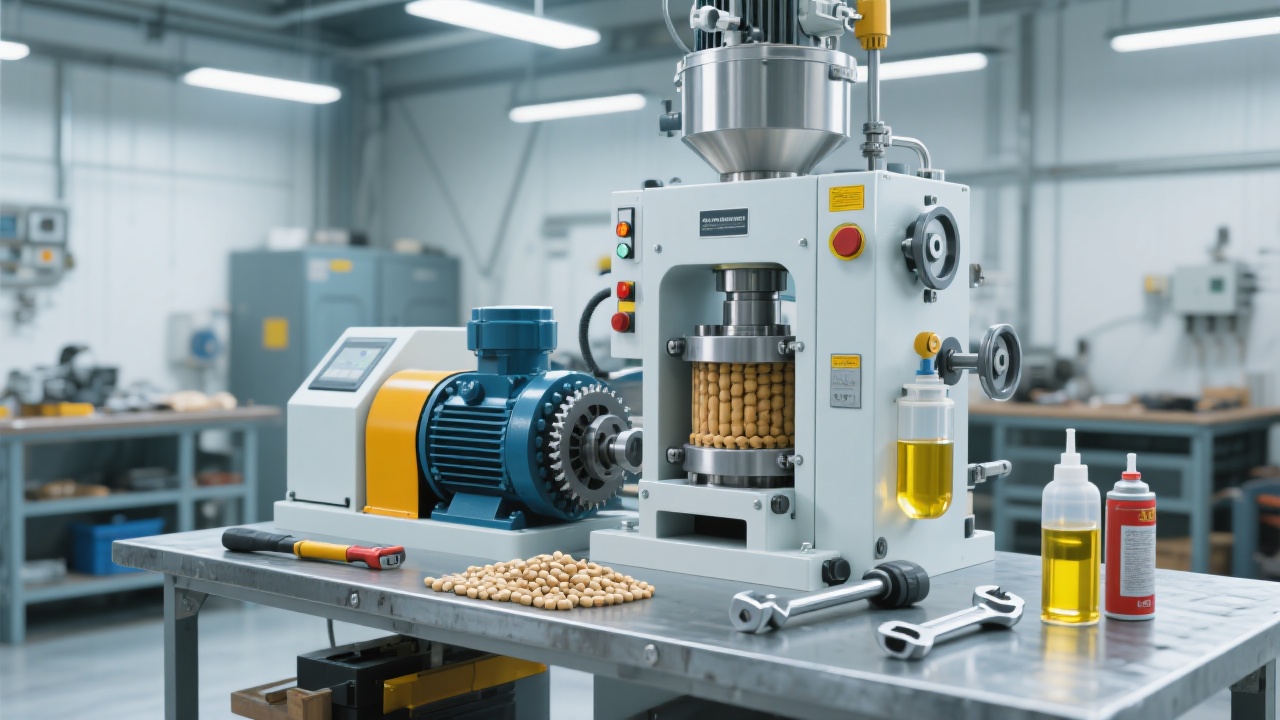
To help you better manage your sesame oil presses, we offer a free PDF version of the Medium and Large - scale Press Maintenance Inspection List. Click here to download it now and take your factory's sesame oil production to the next level!





