Are you a home user or a small-scale producer struggling to keep your freshly pressed sesame oil from going rancid too quickly? Understanding the causes of sesame oil oxidation and applying proper storage and extraction techniques can significantly extend its shelf life while preserving its rich aroma and nutritional benefits.
Sesame oil is naturally rich in unsaturated fatty acids, making it prone to oxidation. When exposed to heat, light, or oxygen, it undergoes biochemical reactions that cause acid buildup and off-flavors, commonly known as rancidity. This not only deteriorates the oil's taste and aroma but also reduces its nutritional value and safety for consumption.
Start with fresh, clean sesame seeds without any moisture or impurities. Seeds that are old or improperly stored accelerate oil degradation. Choose organically grown seeds when possible, as they tend to have higher antioxidant content preserving oil freshness.
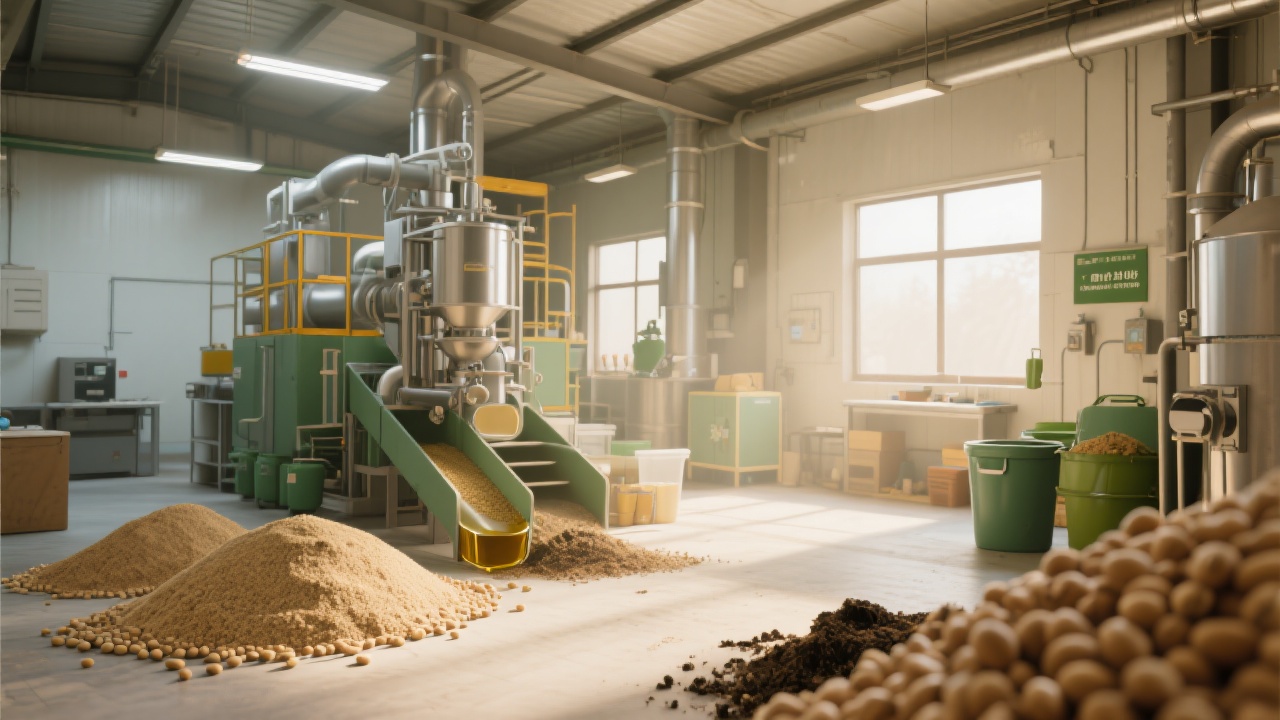
Traditional roasting or frying of sesame seeds introduces high heat, expediting oxidation and flavor loss. Cold pressing at temperatures below 40°C retains natural antioxidants and flavors. For home users, the XX-model Sesame Oil Maker offers precise temperature control to ensure effective cold-press extraction, significantly reducing oxidation risk.
Once extracted, sesame oil must be stored properly to maintain quality:
| Storage Condition | Oxidation Rate | Shelf Life Impact | Flavor & Nutrient Retention |
|---|---|---|---|
| Cool, Dark, Airtight | Minimal | 12+ months | High |
| Room Temp, Indirect Light | Moderate | 6-8 months | Moderate |
| Heat & Light Exposure | High | 1-3 months | Low |
Heating is common in some traditional processes, but for home or small-scale production focused on quality, cold pressing is recommended. Heating increases oxidation risk and depletes antioxidants, eroding the oil’s unique flavor and health benefits.
Fresh sesame oil typically has a rich, nutty aroma and clear, golden color. A sour, bitter, or "stale" smell indicates that oxidation or spoilage has begun. You can also check the oil’s acidity with simple titration kits available online, aiming for a free fatty acid level below 1% for best quality.
By starting with premium seeds, employing a cold press method, and mastering airtight and cool storage, you dramatically improve your sesame oil’s resistance to oxidation. This approach not only enhances flavor and nutrient retention but also reduces waste and cost over time.
We'd love to hear from you! Has your sesame oil ever developed a rancid smell? Share your experiences or questions below, and let's perfect your production process together.
.jpg?x-oss-process=image/resize,h_300,m_lfit/format,webp)
 218
|
218
|
 Sesame Cooking Oil Making Machine
Sesame Oil Press Machine
High Extraction Sesame Oil Machine
Cold Press Sesame Oil Production
Small-Scale Sesame Oil Making Machine
Medium Scale Sesame Oil Extraction
Industrial Sesame Oil Extraction Systems
Cost-Effective Sesame Oil Machines
Nutrient Retaining Sesame Oil Maker
Environmentally Friendly Sesame Oil Machine
Sesame Cooking Oil Making Machine
Sesame Oil Press Machine
High Extraction Sesame Oil Machine
Cold Press Sesame Oil Production
Small-Scale Sesame Oil Making Machine
Medium Scale Sesame Oil Extraction
Industrial Sesame Oil Extraction Systems
Cost-Effective Sesame Oil Machines
Nutrient Retaining Sesame Oil Maker
Environmentally Friendly Sesame Oil Machine
 142
|
Industrial Sesame Oil Making Machine
Industrial Sesame Oil Press Machine
Cold Pressing Sesame Oil Machines
Hot Pressing Sesame Oil Machines
Solvent Extraction Sesame Oil Machine
High Efficiency Sesame Oil Extraction
Durable Sesame Oil Production Equipment
Automated Sesame Oil Making Machines
Versatile Sesame Oil Processing Solutions
Energy Efficient Sesame Oil Manufacturing
142
|
Industrial Sesame Oil Making Machine
Industrial Sesame Oil Press Machine
Cold Pressing Sesame Oil Machines
Hot Pressing Sesame Oil Machines
Solvent Extraction Sesame Oil Machine
High Efficiency Sesame Oil Extraction
Durable Sesame Oil Production Equipment
Automated Sesame Oil Making Machines
Versatile Sesame Oil Processing Solutions
Energy Efficient Sesame Oil Manufacturing
 132
|
["eco-friendly peanut oil extractor"
"efficient oil press machine"
"medium scale peanut oil equipment"
"energy saving oil extraction technology"
"peanut oil production equipment"]
132
|
["eco-friendly peanut oil extractor"
"efficient oil press machine"
"medium scale peanut oil equipment"
"energy saving oil extraction technology"
"peanut oil production equipment"]
 369
|
medium-sized eco-friendly peanut oil extraction machine
peanut oil production equipment for Africa and Europe
efficient and energy-saving peanut oil extractor
369
|
medium-sized eco-friendly peanut oil extraction machine
peanut oil production equipment for Africa and Europe
efficient and energy-saving peanut oil extractor
 204
|
small sesame oil press machine
cold-pressed sesame oil equipment
home sesame oil extractor
sesame oil machine maintenance
sesame oil press troubleshooting
204
|
small sesame oil press machine
cold-pressed sesame oil equipment
home sesame oil extractor
sesame oil machine maintenance
sesame oil press troubleshooting









.jpg?x-oss-process=image/resize,m_fill,h_300,w_300/format,webp)
.jpg?x-oss-process=image/resize,m_fill,h_400,w_400/format,webp)