As global consumers increasingly seek functional and clean-label ingredients, sesame oil has emerged as a premium edible oil with growing demand across food, nutraceuticals, and cosmetics. According to Grand View Research (2024), the global sesame oil market is projected to grow at a CAGR of 6.7% through 2030—driven by rising health awareness and the popularity of plant-based diets.
“In Western markets, buyers don’t just look for flavor—they want science-backed benefits. The real differentiator lies in how well you communicate the nutrient profile.” — Dr. Lena Müller, Food Science Consultant at EuroHealth Insights
International customers prioritize three key nutrients in sesame oil:
| Nutrient | Health Benefit | Global Demand Trend |
|---|---|---|
| Unsaturated Fats (Oleic + Linoleic Acid) | Support heart health, reduce LDL cholesterol | +22% YoY increase in EU import inquiries |
| Vitamin E (Tocopherols) | Antioxidant protection, skin hydration | Highly valued in skincare formulations |
| Sesamin & Sesamolin | Liver support, anti-inflammatory properties | Featured in 68% of new dietary supplements launched in 2023 |
These compounds aren't just lab results—they’re what make sesame oil stand out from generic vegetable oils. In fact, U.S. retailers like Whole Foods now label cold-pressed sesame oil with "high in sesamin" on packaging because it directly influences purchase decisions.
Food manufacturers use sesame oil not only for its rich aroma but also for its ability to boost shelf life naturally due to antioxidants. In the U.S., companies like Kashi have added cold-pressed sesame oil to granola bars to appeal to health-conscious millennials. Meanwhile, in Germany, cosmetic brands are incorporating it into facial serums—highlighting vitamin E’s role in reducing oxidative stress.
The choice between cold-press and hot-press methods matters more than ever. Cold-pressed oils retain up to 40% more bioactive compounds, according to a 2023 study published in the Journal of Food Science. This isn’t just marketing—it’s measurable value that international buyers can see in third-party test reports.
Pro Tip: When responding to buyer questions, always lead with the nutrient benefit—not the process. For example: “Our sesame oil contains 3x more vitamin E than standard refined oils” instead of “We use cold pressing.”

 175
|
175
|
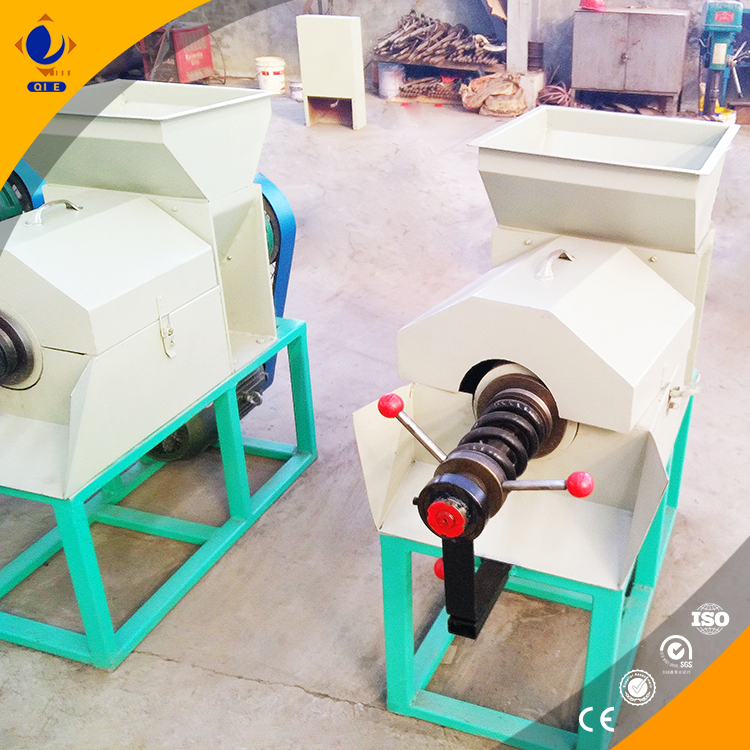
 Sesame Cold Press Oil Extractor
Sesame Oil Press Machine
Cold Pressing Sesame Oil Equipment
High-Efficiency Sesame Oil Extractor
Durable Sesame Cold Press Oil Extractor
Customizable Sesame Oil Press Machines
Sesame Seed Oil Extraction Technology
Affordable Sesame Cold Press Extractors
Top Manufacturers of Sesame Oil Press Machines
Quality Sesame Oil Production Equipment
Sesame Cold Press Oil Extractor
Sesame Oil Press Machine
Cold Pressing Sesame Oil Equipment
High-Efficiency Sesame Oil Extractor
Durable Sesame Cold Press Oil Extractor
Customizable Sesame Oil Press Machines
Sesame Seed Oil Extraction Technology
Affordable Sesame Cold Press Extractors
Top Manufacturers of Sesame Oil Press Machines
Quality Sesame Oil Production Equipment
.jpg?x-oss-process=image/resize,h_300,m_lfit/format,webp) 177
|
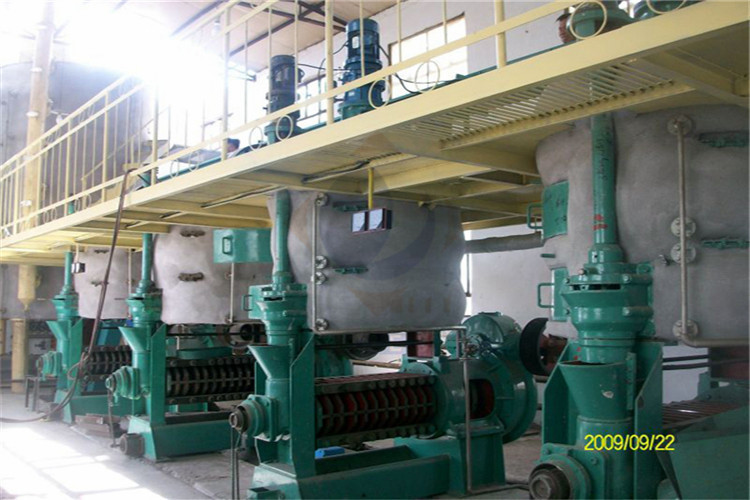
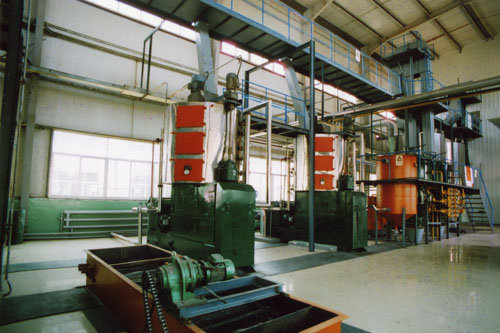
sesame oil processing line
sesame oil refining process
cold press sesame oil technology
small scale oil extraction equipment
sesame oil production optimization
177
|
sesame oil processing line
sesame oil refining process
cold press sesame oil technology
small scale oil extraction equipment
sesame oil production optimization
 55
|
Sesame Oil Extraction Machine for Small Business
Sesame Oil Press Machine
Small Business Oil Extraction Machine
55
|
Sesame Oil Extraction Machine for Small Business
Sesame Oil Press Machine
Small Business Oil Extraction Machine
 436
|
["mid-scale peanut oil press"
"energy-efficient oil extraction"
"eco-friendly peanut oil machine"
"peanut oil processing equipment"
"high-efficiency oil press technology"]
436
|
["mid-scale peanut oil press"
"energy-efficient oil extraction"
"eco-friendly peanut oil machine"
"peanut oil processing equipment"
"high-efficiency oil press technology"]
 68
|
Medium and large sesame oil presses
Sesame oil equipment maintenance
Reduction of production line downtime rate
Maintenance of fully automatic sesame oil production equipment
Troubleshooting of sesame oil presses
68
|
Medium and large sesame oil presses
Sesame oil equipment maintenance
Reduction of production line downtime rate
Maintenance of fully automatic sesame oil production equipment
Troubleshooting of sesame oil presses





.jpg)