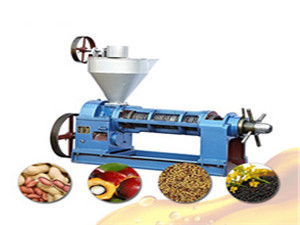
Global sesame oil consumption is projected to grow at a CAGR of 6.2% from 2024 to 2030, according to Grand View Research — driven by rising health consciousness, clean-label trends, and increasing demand in premium food markets like the U.S., EU, and Middle East. For small-to-mid-sized edible oil processors, this isn’t just a trend—it’s an opportunity to scale sustainably with smart technology.
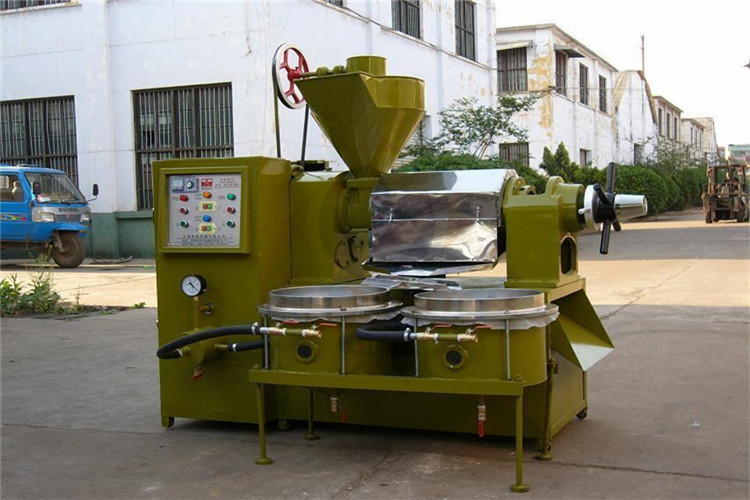
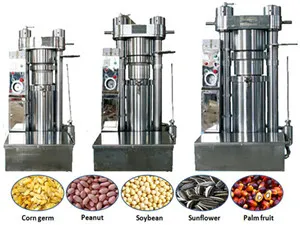
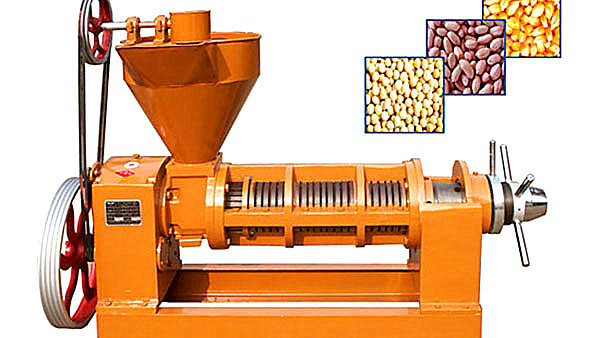
Traditional large-scale sesame oil plants often struggle with inflexible production cycles, high energy costs, and inconsistent quality control—especially when responding to niche or export orders. In contrast, modern compact cold-press machines (like those under 50 kg/h capacity) allow small workshops to produce small batches with precision, reduce waste, and respond quickly to customer requests—from organic certification needs to regional flavor preferences.
A case study from a Nigerian processor shows how switching to a 30 kg/h cold-press system increased their export readiness by 40% within six months. They now supply specialty grocery stores in Germany and the UK, where consumers pay up to 25% more for “artisanal” sesame oil made using low-temperature extraction.
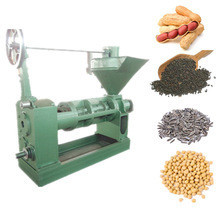
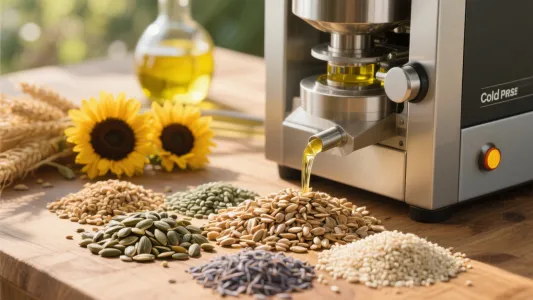
International buyers increasingly prefer cold-pressed sesame oil—not only for its richer aroma but also because it retains more antioxidants like sesamol and vitamin E. A 2023 survey by FoodNavigator found that 78% of European retailers prioritize oils labeled “cold-pressed” or “unrefined” when sourcing from emerging markets.
Smaller presses enable precise temperature control (<35°C), which preserves volatile compounds responsible for the nutty, floral notes that premium buyers seek. This makes even small-scale producers competitive against industrial brands on platforms like Alibaba and Amazon Business.
Energy efficiency is no longer optional—it’s a selling point. Modern mini presses use 30–40% less electricity than older hydraulic models, while producing consistent yields (typically 45–55% oil recovery per kg raw sesame). When combined with solar-powered drying systems, some Indian cooperatives have cut operational costs by over 20%, making them eligible for green-certified export programs in the EU.
For processors looking to enter new markets, this means not just compliance—but differentiation. Buyers want stories behind products, and sustainable practices are part of that narrative.
Whether you're optimizing current operations or launching your first export-ready batch, we’ve helped hundreds of small processors build scalable, compliant, and profitable sesame oil businesses. Get our free guide: “Step-by-Step Guide to Export-Ready Sesame Oil Production”.
Download Your Free Process Optimization Guide
 165
|
165
|
 sesame oil processing technology
sesame oil health benefits
sesame oil market trends
advanced sesame oil extraction
sesame oil application in cosmetics
sesame oil processing technology
sesame oil health benefits
sesame oil market trends
advanced sesame oil extraction
sesame oil application in cosmetics
 473
|
Mini Sesame Oil Machine
Sesame Oil Press Machine
Compact Sesame Oil Extraction Equipment
Efficient Oil Yield Mini Oil Machine
Cold Pressing Sesame Oil Machine
Hot Pressing Sesame Oil Equipment
Energy Saving Sesame Oil Press
Multi-functional Oil Extractor
Food-grade Mini Oil Machine
473
|
Mini Sesame Oil Machine
Sesame Oil Press Machine
Compact Sesame Oil Extraction Equipment
Efficient Oil Yield Mini Oil Machine
Cold Pressing Sesame Oil Machine
Hot Pressing Sesame Oil Equipment
Energy Saving Sesame Oil Press
Multi-functional Oil Extractor
Food-grade Mini Oil Machine
 398
|
export-grade sesame oil production
sesame oil filtration technology
degumming and deacidification process
edible oil refining techniques
sesame oil processing optimization
398
|
export-grade sesame oil production
sesame oil filtration technology
degumming and deacidification process
edible oil refining techniques
sesame oil processing optimization
 97
|
["mid-size peanut oil extractor"
"eco-friendly oil press machine"
"high-efficiency peanut oil production"
"sustainable oil extraction technology"
"peanut oil processing equipment"]
97
|
["mid-size peanut oil extractor"
"eco-friendly oil press machine"
"high-efficiency peanut oil production"
"sustainable oil extraction technology"
"peanut oil processing equipment"]
 338
|
Benefits of cold - pressed sesame oil
How to make sesame oil at home
Can hot - pressed sesame oil be consumed
Nutritional components of sesame oil
Cold press usage tutorial
338
|
Benefits of cold - pressed sesame oil
How to make sesame oil at home
Can hot - pressed sesame oil be consumed
Nutritional components of sesame oil
Cold press usage tutorial