In recent years, a profound shift has taken place across global consumer markets—a pronounced preference for natural and plant-based ingredients. Sesame oil, distinguished by its high levels of unsaturated fatty acids and powerful antioxidants such as sesamol and sesamin, is rapidly emerging as a multifunctional ingredient within the functional food and natural cosmetics sectors. Its nutritional benefits, combined with versatile sensory properties, make it a prime candidate for innovative product formulations targeting the health-conscious consumer.
Sesame oil contains approximately 80% unsaturated fatty acids, predominantly oleic (40-50%) and linoleic acids (35-45%), which are linked to cardiovascular benefits and anti-inflammatory effects. Additionally, sesamol and sesamin compounds impart potent antioxidant activity, contributing to extended shelf life in food products and protective effects in topical applications. Scientific studies have correlated these constituents with improved skin barrier functions and reduced oxidative stress, making sesame oil a dual-purpose ingredient for ingestion and topical use.
Industry research indicates that over 70% of global consumers prefer products featuring natural ingredients, especially those with transparent sourcing and proven health benefits. According to a 2023 report by Global Consumer Insights, the natural food oils market is projected to grow at a CAGR of 6.5% through 2027, while the natural cosmetics sector is forecasted to expand at 8.9% annually. This booming demand is propelled by increased consumer education on ingredient efficacy and greater regulatory support for clean-label products across North America, Europe, and Asia-Pacific regions.
In culinary applications, sesame oil’s distinctive aroma and high smoke point (approx. 210°C) permit its use in diverse formats:
Manufacturers are advised to apply antioxidant stability tests such as peroxide value and Rancimat methods during formulation to ensure product durability, especially for bake-stable or refrigerated goods.
For cosmetics formulators, sesame oil serves as a luxurious base ingredient for various products:
Effective formulation also requires compatibility studies with emulsifiers and preservatives to maintain oxidative stability and sensory appeal during shelf life.
Applying the optimal amount of sesame oil balances functional benefits with product stability. Recommended usage percentages vary by application:
| Application | Recommended Addition (%) | Stability Considerations |
|---|---|---|
| Cold Salads & Dressings | 2-5 | Preserve natural aroma via low-temp processing |
| Baked Goods | 5-10 | Oxidative stability tests (Rancimat recommended) |
| Hair Oil Formulations | 10-20 | Compatibility with emulsifiers and scent retention |
| Moisturizers & Creams | 5-15 | Test for pH and preservation system stability |
By harnessing sesame oil’s dual functionality, businesses can differentiate products in a crowded marketplace increasingly driven by ingredient transparency and health claims. Key to success is collaboration across R&D, marketing, and regulatory teams to continuously update formulations aligned with evolving consumer trends and compliance requirements. Incorporating user feedback loops and scientific validations significantly strengthens brand trust and product credibility.
For marketing professionals, crafting narratives around sesame oil's heritage, nutritional benefits, and formulation versatility helps build authentic engagement—particularly when supported by quantitative data and testimonials.
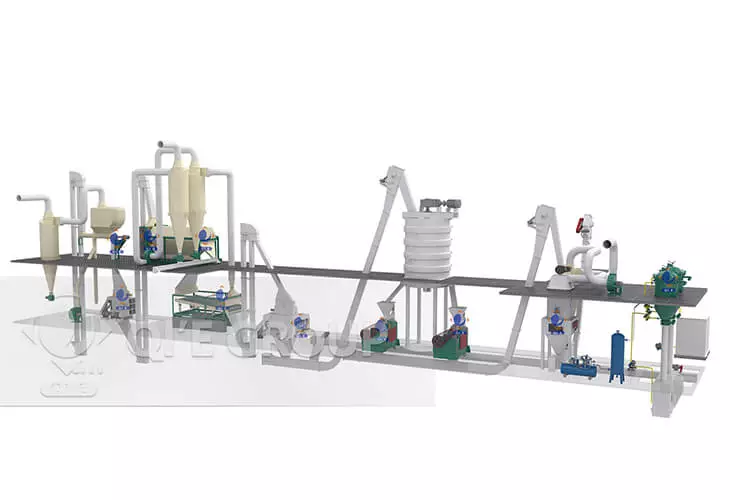
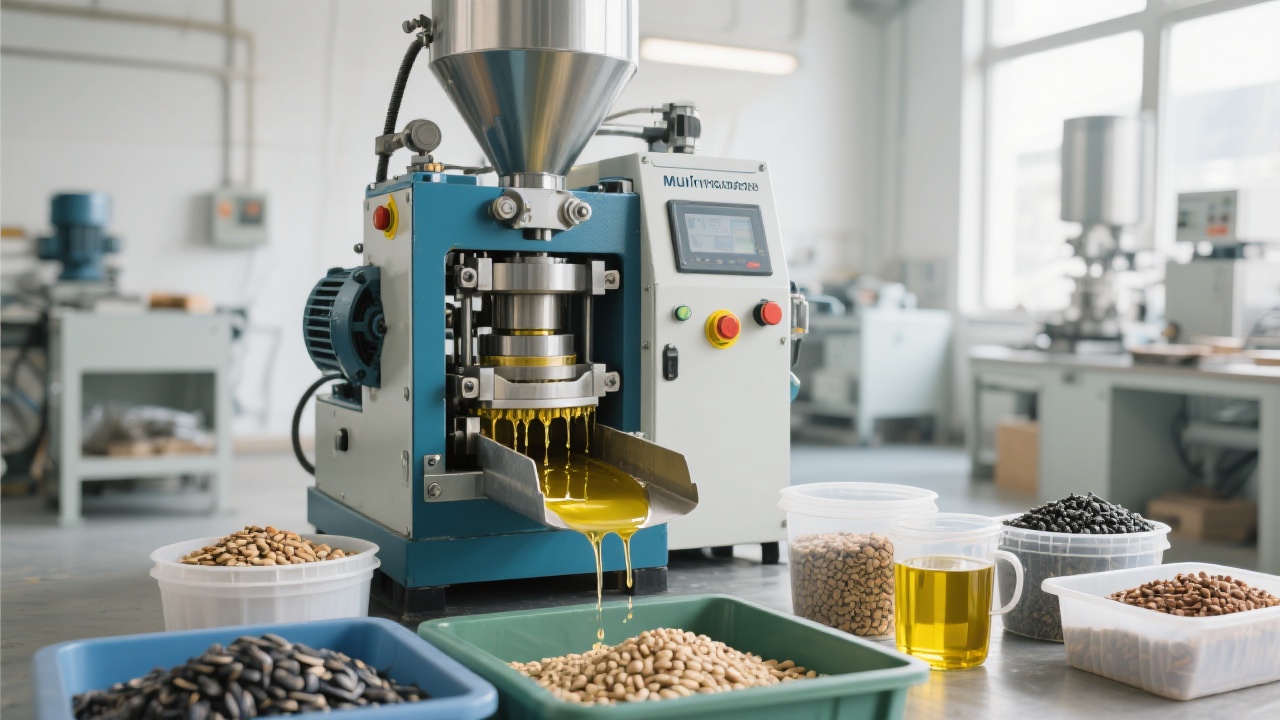
Discover How Our Sesame Oil Production Machines Enable Innovative Natural Oil Development

 150
|
150
|
 Medium-sized environmentally friendly efficient peanut oil extractor
traditional peanut oil extractor
environmental advantages
efficiency advantages
African market
European market
Medium-sized environmentally friendly efficient peanut oil extractor
traditional peanut oil extractor
environmental advantages
efficiency advantages
African market
European market
 473
|
Mini Sesame Oil Machine
Sesame Oil Press Machine
Compact Sesame Oil Extraction Equipment
Efficient Oil Yield Mini Oil Machine
Cold Pressing Sesame Oil Machine
Hot Pressing Sesame Oil Equipment
Energy Saving Sesame Oil Press
Multi-functional Oil Extractor
Food-grade Mini Oil Machine
473
|
Mini Sesame Oil Machine
Sesame Oil Press Machine
Compact Sesame Oil Extraction Equipment
Efficient Oil Yield Mini Oil Machine
Cold Pressing Sesame Oil Machine
Hot Pressing Sesame Oil Equipment
Energy Saving Sesame Oil Press
Multi-functional Oil Extractor
Food-grade Mini Oil Machine
 59
|
customized oilseed production line
oilseed preprocessing equipment
scalable vegetable oil production solutions
59
|
customized oilseed production line
oilseed preprocessing equipment
scalable vegetable oil production solutions
 254
|
premium peanut oil production
peanut oil extraction processes
high-quality peanut oil processing
254
|
premium peanut oil production
peanut oil extraction processes
high-quality peanut oil processing
 338
|
Benefits of cold - pressed sesame oil
How to make sesame oil at home
Can hot - pressed sesame oil be consumed
Nutritional components of sesame oil
Cold press usage tutorial
338
|
Benefits of cold - pressed sesame oil
How to make sesame oil at home
Can hot - pressed sesame oil be consumed
Nutritional components of sesame oil
Cold press usage tutorial












.jpg?x-oss-process=image/resize,m_fill,h_400,w_400/format,webp)