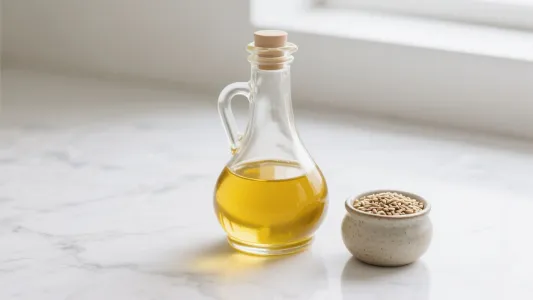
As the demand for natural ingredients intensifies in the skincare industry, sesame oil emerges as a versatile powerhouse, bridging food nutrition benefits with cosmetic potency. Rich in unsaturated fatty acids and potent antioxidants, sesame oil offers formulators a unique ingredient to craft stable, effective hair oils and creams that resonate with health-conscious consumers.
The nutritional profile of sesame oil reveals a composition predominantly of oleic acid (40–50%) and linoleic acid (35–45%), alongside minor amounts of palmitic and stearic fatty acids. These unsaturated lipids nourish the skin barrier and scalp, promoting moisture retention and elasticity. Beyond lipids, sesame oil contains natural antioxidants such as sesamol, sesamin, and vitamin E, which impede oxidative degradation. According to recent industry analyses, the antioxidant activity can extend product shelf-life by 15-20%, reducing rancidity risks in both food and cosmetic applications.
Current market research underscores a 25% annual growth in natural skincare products infused with food-grade oils, driven by rising consumer awareness of ingredient safety and sustainability. Sesame oil, positioned at the intersection of nutritional and cosmetic science, satisfies this demand by offering multifunctionality—providing skin nourishment, anti-inflammatory effects, and product stability enhancement within one ingredient. For instance, 60% of surveyed dermatologists recommend sesame oil-enriched formulations for sensitive skin lines.
To leverage sesame oil’s benefits while maintaining product integrity, precise concentration and stability testing are critical. Recommended formulation ranges for sesame oil are:
Stability testing protocols typically include accelerated aging at 45°C for 3–4 weeks, monitoring for color, odor changes, and viscosity shifts. Incorporating sesame oil with complementary antioxidants like rosemary extract (0.1% - 0.3%) further enhances oxidative stability by up to 30%, confirmed through peroxide value (PV) and thiobarbituric acid reactive substances (TBARS) assays.
Several leading brands have successfully reformulated hair serums and moisturizing creams incorporating sesame oil to meet clean beauty standards. Notably, a 2023 case study revealed a 40% increase in consumer repurchase intent when sesame oil was combined with jojoba and argan oils, attributed to improved scalp hydration and reduced irritation reports. Laboratory data further illustrate that sesame oil’s sesamin content slows lipid peroxidation, benefiting product longevity.
For formulators: Start with low sesame oil percentages and conduct stepwise stability analysis to avoid phase separation. Consider sourcing cold-pressed, unrefined sesame oil for higher antioxidant activity. Monitor interactions with emulsifiers, as sesame oil’s polarity affects cream texture.
For marketers: Emphasize sesame oil’s dual role in food and skincare to tap into cross-category consumer trust. Highlight proven antioxidant benefits backed by scientific data. Craft storytelling around tradition (ancient use in Ayurveda and East Asian skincare) combined with modern innovation to build brand authenticity.

 448
|
448
|
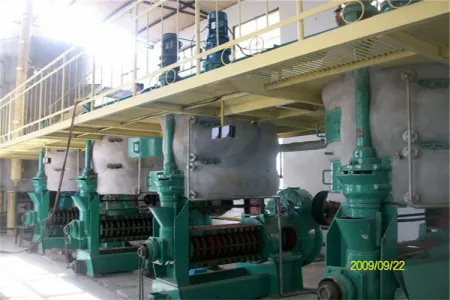
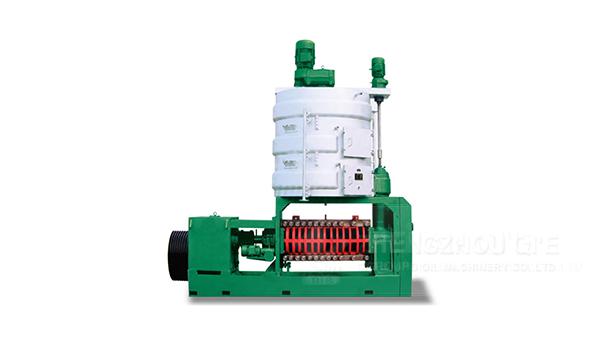
 Sesame Oil Press Machine
Sesame Oil Extraction Machine
Cold Pressed Sesame Oil Machine
Hot Press Sesame Oil Machine
Industrial Sesame Oil Press
Small Sesame Oil Press
Medium Sesame Oil Press
Sesame Oil Production Equipment
Organic Sesame Oil Press Machine
Sesame Oil Press Machine
Sesame Oil Extraction Machine
Cold Pressed Sesame Oil Machine
Hot Press Sesame Oil Machine
Industrial Sesame Oil Press
Small Sesame Oil Press
Medium Sesame Oil Press
Sesame Oil Production Equipment
Organic Sesame Oil Press Machine
 233
|
Sesame Oil Milling Machine Price
Sesame Oil Press Machine
Cold Press Sesame Oil Milling Machine
Hot Press Sesame Oil Milling Machine
Hydraulic Sesame Oil Press Machine
Screw Press Sesame Oil Milling Machine
High Quality Sesame Oil Extraction
Sesame Oil Production Equipment
Energy Efficient Sesame Oil Milling
233
|
Sesame Oil Milling Machine Price
Sesame Oil Press Machine
Cold Press Sesame Oil Milling Machine
Hot Press Sesame Oil Milling Machine
Hydraulic Sesame Oil Press Machine
Screw Press Sesame Oil Milling Machine
High Quality Sesame Oil Extraction
Sesame Oil Production Equipment
Energy Efficient Sesame Oil Milling
 103
|
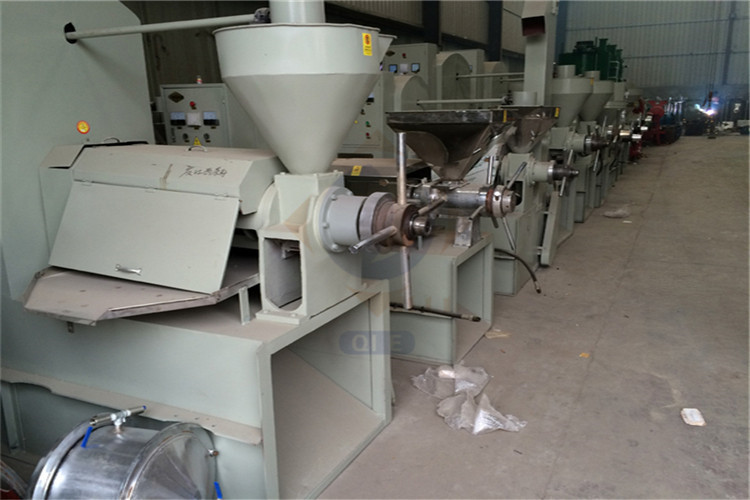
Small sesame oil press
Cold-pressed sesame oil equipment
Sesame oil press fault troubleshooting
Household sesame oil machine
Sesame oil machine purchase guide
103
|
Small sesame oil press
Cold-pressed sesame oil equipment
Sesame oil press fault troubleshooting
Household sesame oil machine
Sesame oil machine purchase guide
 150
|
sesame oil market trends
premium sesame oil benefits
sesame oil extraction technology
healthy cooking oil
international buyer engagement
150
|
sesame oil market trends
premium sesame oil benefits
sesame oil extraction technology
healthy cooking oil
international buyer engagement
 308
|
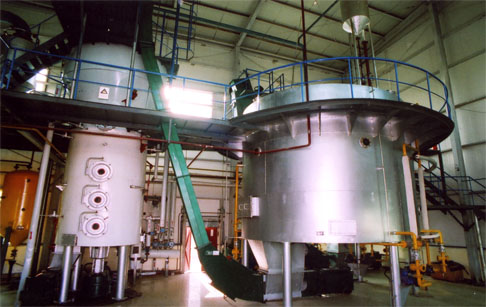
Industrial Sesame Oil Making Machine
Sesame Oil Press Machine
Cold Pressing Sesame Oil Machines
Hot Pressing Sesame Oil Machines
Solvent Extraction Sesame Oil Making Machine
High Efficiency Sesame Oil Extraction Machine
Durable Sesame Oil Processing Equipment
Automated Sesame Oil Making Machines
Versatile Sesame Oil Production Systems
Low Power Consumption Sesame Oil Machines
308
|
Industrial Sesame Oil Making Machine
Sesame Oil Press Machine
Cold Pressing Sesame Oil Machines
Hot Pressing Sesame Oil Machines
Solvent Extraction Sesame Oil Making Machine
High Efficiency Sesame Oil Extraction Machine
Durable Sesame Oil Processing Equipment
Automated Sesame Oil Making Machines
Versatile Sesame Oil Production Systems
Low Power Consumption Sesame Oil Machines






.jpg?x-oss-process=image/resize,m_fill,h_300,w_300/format,webp)


.jpg?x-oss-process=image/resize,m_fill,h_400,w_400/format,webp)

.jpg)