
For sesame oil producers aiming to stand out in global markets, the journey from raw seed to final product is more than just a process—it’s a science. While extraction methods like pressing and solvent extraction are widely known, it’s often the post-extraction steps—filtration and de-gumming—that make or break quality, shelf life, and buyer trust.
During both cold-pressing and hot-pressing, maintaining precise temperature ranges (ideally between 45°C–65°C) ensures optimal oil yield while preserving delicate flavor compounds such as sesamol and sesamin. Studies show that exceeding 70°C can reduce antioxidant retention by up to 30%, directly impacting health claims and market positioning for premium oils.
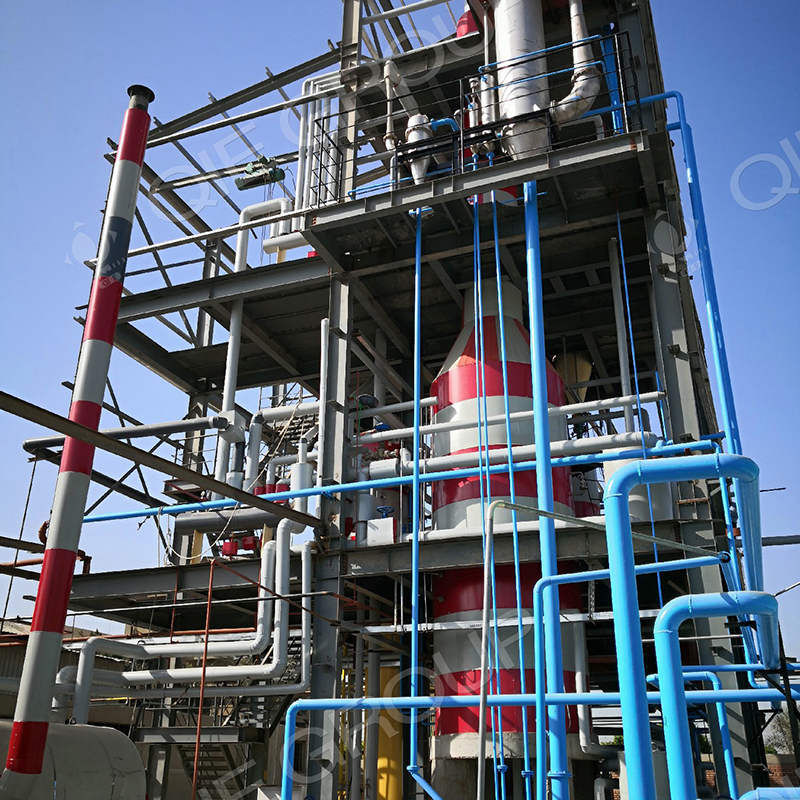
A well-designed filtration system removes particulates, phospholipids, and trace metals that cause cloudiness and rancidity. In industrial settings, multi-stage filters (mesh + activated carbon) achieve >95% clarity improvement compared to basic cloth filtering. For small-scale producers, even a simple pre-filter with 5μm mesh can increase shelf life from 6 months to over 12 months—without adding cost.
Real-world tip: If your oil develops an off-flavor after storage, check if filtration was skipped or if filter media was reused beyond its recommended cycle (typically 3–5 batches).
Phospholipids not only affect viscosity but also hinder downstream refining. A typical wet de-gumming process using 0.5–1% water at 60°C reduces gum content from ~2,000 ppm to under 500 ppm—critical for meeting international standards like ISO 22897. This step dramatically improves smoke point (from ~160°C to ~210°C), making the oil suitable for high-heat cooking and export to EU/US markets.
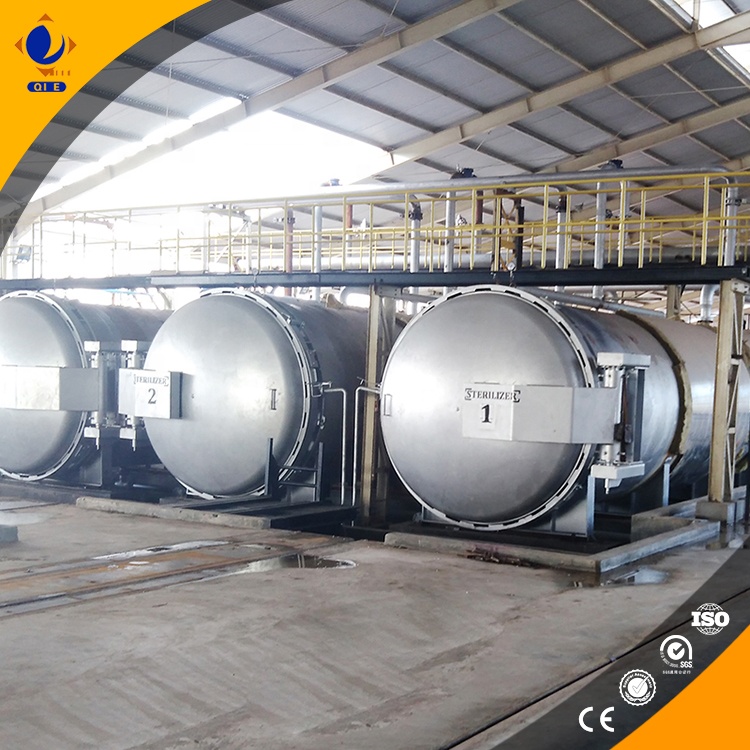
While large-scale plants use automated centrifuges and continuous flow systems, many artisanal producers still rely on manual presses. But here’s what matters: regardless of scale, consistent temperature control and clean filtration must be prioritized. Even a low-cost inline filter (under $500 USD) can boost consistency and reduce rework—a hidden ROI multiplier.
One Malaysian producer reported a 15% increase in output after switching from batch to semi-continuous filtration—a change that didn’t require new machinery, just better workflow design.
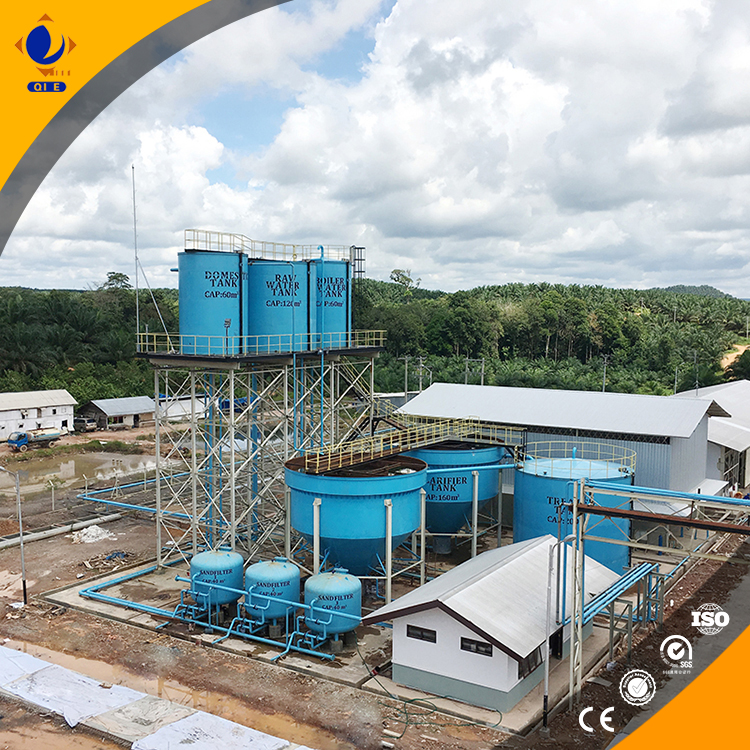
Whether you're scaling up or fine-tuning your existing setup, mastering these two stages isn't optional—it's how you build a reputation for excellence. And when done right, every drop tells a story worth sharing.






.jpg?x-oss-process=image/resize,m_fill,h_400,w_400/format,webp)