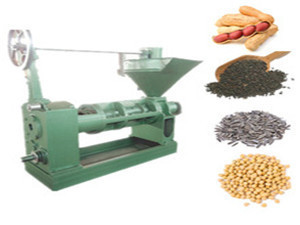
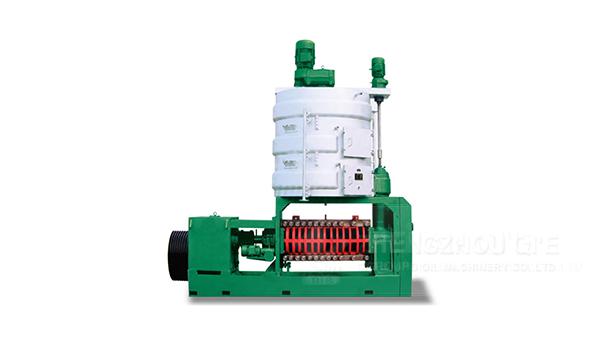
Sesame oil, renowned for its unique flavor and nutritional value, has been a staple in many cuisines around the world. This article aims to provide a detailed analysis of the sesame oil extraction process, from raw material treatment to key technologies for refined oil production.
The first step in sesame oil extraction is the treatment of raw sesame seeds. Cleaning is crucial to remove impurities such as dirt, stones, and dust. This can be achieved through methods like screening and air separation. After cleaning, the sesame seeds are dried to reduce moisture content. Generally, a moisture content of around 6 - 8% is optimal for subsequent processing. Drying can be done using hot air dryers or natural sunlight drying. The dried seeds are then crushed to increase the surface area for oil extraction. Different crushing techniques can affect the quality of the oil. For example, a fine crush may release more oil but could also lead to more impurities in the oil.
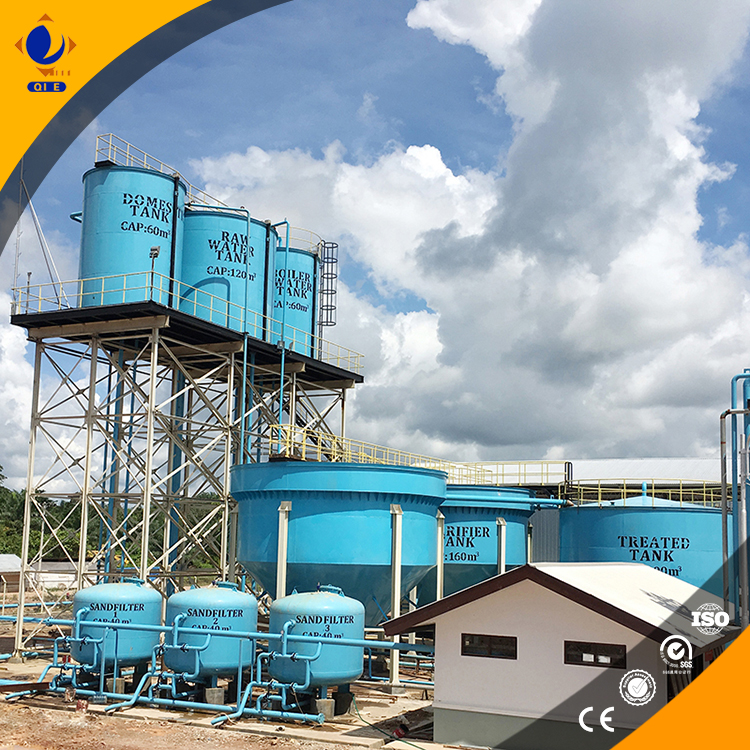
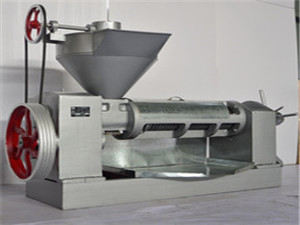
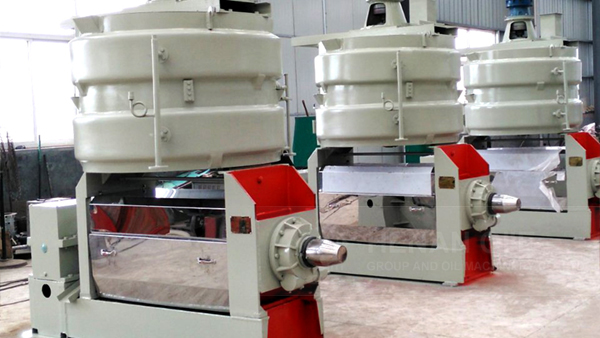
There are two main methods for extracting sesame oil: pressing and solvent extraction. Pressing is a traditional method that uses mechanical force to squeeze oil out of the crushed sesame seeds. It has the advantage of being simple and environmentally friendly, and the resulting oil has a rich flavor. However, the oil yield is relatively low, usually around 40 - 50%. Solvent extraction, on the other hand, uses a solvent (such as hexane) to dissolve the oil from the seeds. This method can achieve a higher oil yield, up to 90%, but the process is more complex and requires strict safety measures. The choice between the two methods depends on factors such as production scale, cost, and quality requirements.
Temperature control plays a crucial role in sesame oil extraction. During the pressing or solvent extraction process, high temperatures can increase the oil yield but may also damage the nutritional components and flavor of the oil. For example, if the temperature exceeds 120°C, some of the beneficial antioxidants in the oil may be destroyed. Therefore, it is recommended to keep the temperature within a certain range, usually between 80 - 100°C, to ensure both high oil yield and good oil quality.
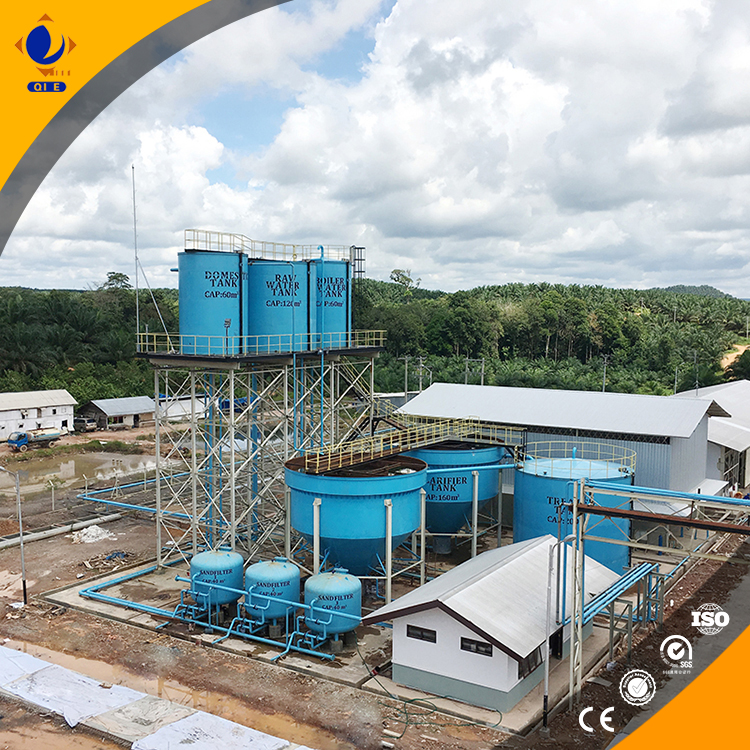
After extraction, the crude oil needs to be refined to improve its purity and stability. Filtration is used to remove solid impurities such as seed residues and gums. Different filtration methods, such as plate - and - frame filtration and vacuum filtration, can be chosen according to the production scale. Degumming is another important step that removes phospholipids and other impurities from the oil. This can be achieved by adding water or acid to the oil and then separating the gum phase. Proper filtration and degumming can significantly improve the clarity and shelf - life of the refined oil.
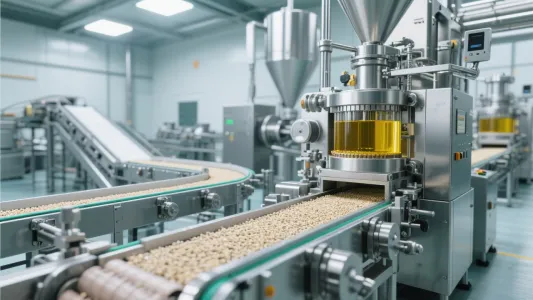
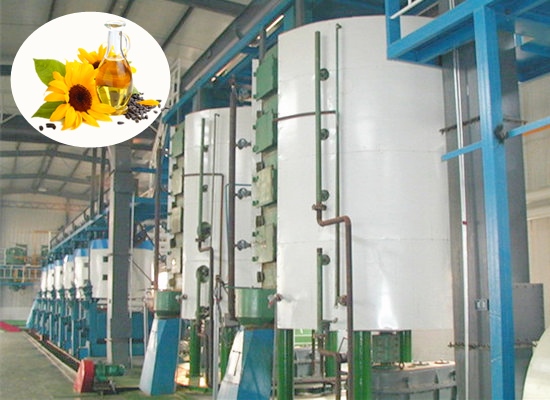
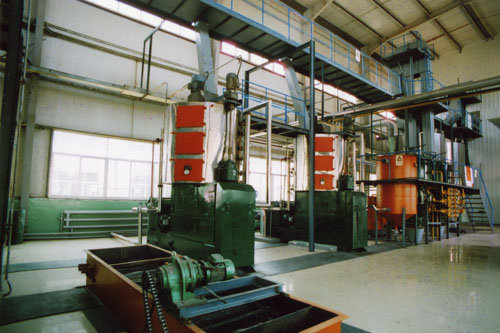
There are significant differences between industrial - scale and small - scale sesame oil extraction equipment. Industrial equipment is usually more automated and has a higher production capacity, but it requires a larger investment and more professional operation and maintenance. Small - scale equipment, on the other hand, is more suitable for small businesses or home use. It is relatively simple to operate and has a lower cost. When using different equipment, operators need to pay attention to different safety regulations and operating procedures.
In the sesame oil extraction process, there are some common problems such as low oil yield and off - flavor in the oil. Low oil yield may be caused by factors such as improper raw material treatment, incorrect extraction method, or equipment malfunction. To solve this problem, operators can check and adjust the raw material treatment process, choose the appropriate extraction method, and maintain the equipment regularly. Off - flavor in the oil may be due to oxidation, contamination, or improper temperature control. Solutions include proper storage of the oil, strict control of the production environment, and accurate temperature control.
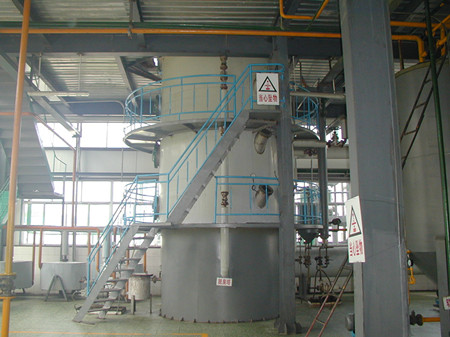
Mastering the sesame oil extraction process is essential for producing high - quality sesame oil. By understanding the key steps such as raw material treatment, extraction methods, temperature control, and refining processes, and being able to solve common problems, producers can improve the oil yield and quality. If you are interested in learning more about advanced sesame oil extraction technologies and equipment, click here to explore our comprehensive solutions.
.jpg?x-oss-process=image/resize,h_300,m_lfit/format,webp)
 105
|
105
|
 Sesame Cooking Oil Making Machine
Sesame Oil Press Machine
Small-Scale Sesame Cooking Oil Machine
Medium-Scale Sesame Oil Production Equipment
Industrial Sesame Oil Extraction Systems
Energy-Efficient Sesame Oil Press
Cold-Pressed Sesame Oil Making Machine
Affordable Sesame Oil Production
Versatile Oil Extraction Machines
Nutrient-Retaining Sesame Oil Machines
Sesame Cooking Oil Making Machine
Sesame Oil Press Machine
Small-Scale Sesame Cooking Oil Machine
Medium-Scale Sesame Oil Production Equipment
Industrial Sesame Oil Extraction Systems
Energy-Efficient Sesame Oil Press
Cold-Pressed Sesame Oil Making Machine
Affordable Sesame Oil Production
Versatile Oil Extraction Machines
Nutrient-Retaining Sesame Oil Machines
 82
|
Medium-Sized Eco-Friendly Peanut Oil Extraction Machine
Africa Europe Peanut Oil Production Equipment
Energy-Efficient High-Performance Peanut Oil Extractor
82
|
Medium-Sized Eco-Friendly Peanut Oil Extraction Machine
Africa Europe Peanut Oil Production Equipment
Energy-Efficient High-Performance Peanut Oil Extractor
 175
|
Sesame Cold Press Oil Extractor
Sesame Oil Press Machine
Cold Pressing Sesame Oil Equipment
High-Efficiency Sesame Oil Extractor
Durable Sesame Cold Press Oil Extractor
Customizable Sesame Oil Press Machines
Sesame Seed Oil Extraction Technology
Affordable Sesame Cold Press Extractors
Top Manufacturers of Sesame Oil Press Machines
Quality Sesame Oil Production Equipment
175
|
Sesame Cold Press Oil Extractor
Sesame Oil Press Machine
Cold Pressing Sesame Oil Equipment
High-Efficiency Sesame Oil Extractor
Durable Sesame Cold Press Oil Extractor
Customizable Sesame Oil Press Machines
Sesame Seed Oil Extraction Technology
Affordable Sesame Cold Press Extractors
Top Manufacturers of Sesame Oil Press Machines
Quality Sesame Oil Production Equipment
 173
|
cold pressed sesame oil benefits
hot pressed sesame oil safe to eat
how to make sesame oil at home
sesame oil nutrition facts
cold press vs hot press sesame oil
173
|
cold pressed sesame oil benefits
hot pressed sesame oil safe to eat
how to make sesame oil at home
sesame oil nutrition facts
cold press vs hot press sesame oil
 327
|
small-scale palm oil production line equipment
customized solutions
palm oil processing
327
|
small-scale palm oil production line equipment
customized solutions
palm oil processing






.jpg?x-oss-process=image/resize,m_fill,h_400,w_400/format,webp)