Cold Pressing vs Hot Pressing vs Solvent Extraction: Choosing the Right Sesame Oil Extraction Process
2026-04-03
Technical knowledge
Selecting an extraction process is one of the highest-impact decisions in a sesame oil plant, directly shaping yield, flavor profile, nutrient retention, equipment complexity, and environmental compliance. This article objectively compares three mainstream routes—cold pressing, hot pressing, and solvent extraction—using a practical, factory-oriented lens. It summarizes core process principles, typical performance differences (including oil recovery, processing intensity, and downstream refining needs), and the operational trade-offs that matter most to small and mid-sized producers. Based on industry data and proven customer scenarios, it introduces a four-dimensional evaluation model—raw material supply, product positioning, capital and operating constraints, and environmental targets—to help teams avoid trial-and-error investments and optimize line planning for sustainable growth. For tailored process selection and equipment matching, Penguin Group offers a free technical consultation by appointment.
Cold-Press vs Hot-Press vs Solvent Extraction: How to Choose the Right Sesame Oil Process for Your Plant
The choice of extraction method is rarely a “technical preference.” For most sesame oil factories, it becomes a long-term decision that affects oil yield, product positioning, compliance, operating stability, and brand trust. This guide compares cold pressing, hot pressing, and solvent extraction with practical benchmarks and a 4‑dimension decision model so engineering and procurement teams can avoid costly misalignment.
Quick reality check: many plants lose 3–8% potential profitability not because of market demand, but because the selected extraction route does not match raw material stability, target SKUs, or environmental constraints.
1) The three mainstream sesame oil extraction routes—what they really mean in production
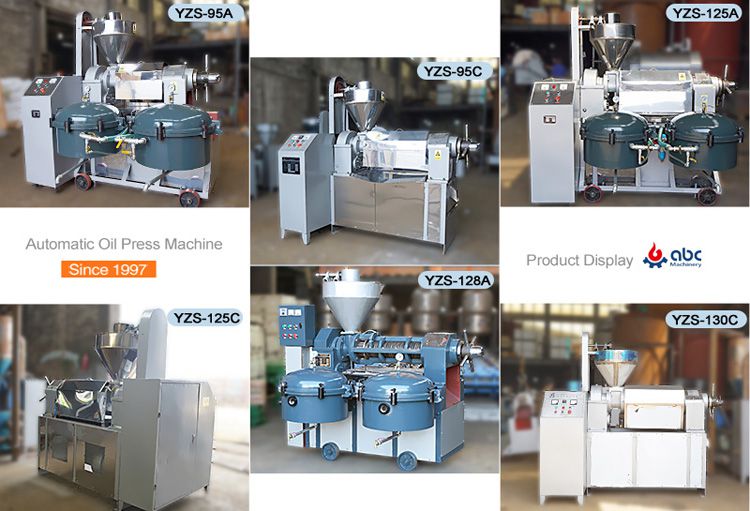
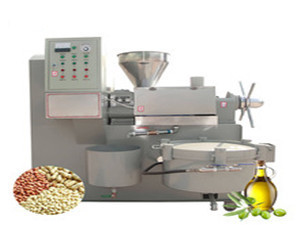
Cold pressing (mechanical, low-temperature controlled)
Cold pressing uses a screw press under controlled temperature (often ≤ 45–60°C at the pressing zone, depending on definition and local labeling rules). It targets a “clean label” profile with higher perceived nutritional and sensory value. In practice, it requires better seed cleaning and more disciplined process control because there is less thermal “buffer” to mask variability.
Hot pressing (roasting + mechanical pressing)
Hot pressing adds a roasting/cooking step (commonly 150–220°C in roasting equipment, tuned by flavor target). Heat increases oil fluidity and reduces viscosity, typically improving extraction efficiency. It is popular for factories producing aromatic sesame oil where flavor intensity and throughput are the priority.
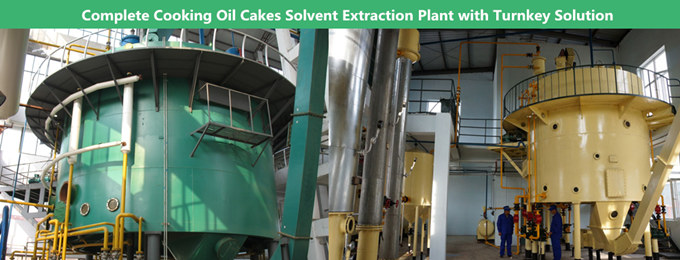
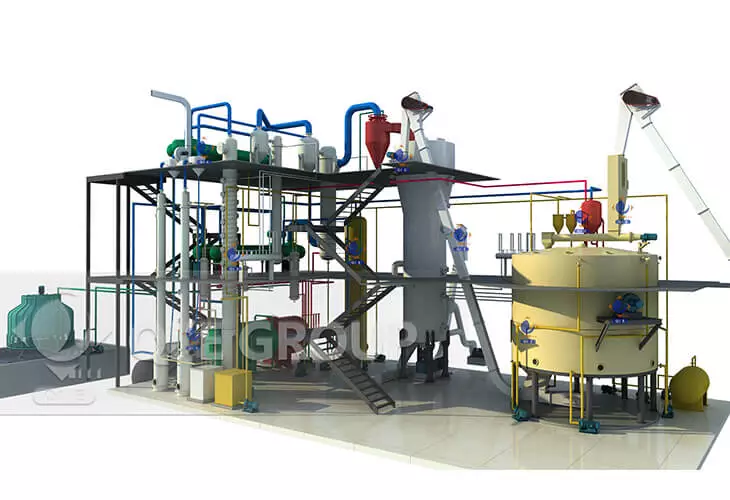
Solvent extraction (hexane-based industrial extraction, usually with refining)
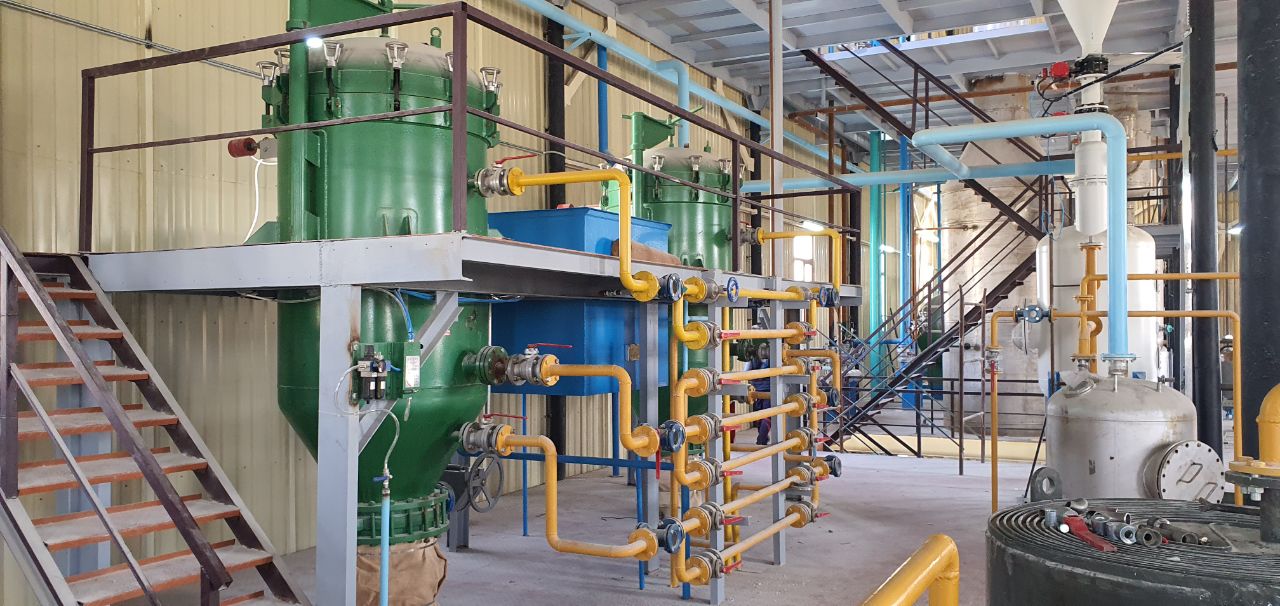
Solvent extraction targets maximum oil recovery from flakes/cake using food-grade solvent systems (often hexane in many markets, subject to regulations). It is typically paired with desolventizing and refining steps to meet residue and odor requirements. This route fits large industrial operations where volume, raw-material cost control, and consistent specification oils matter most.
2) Data-driven comparison (yield, nutrition retention, equipment complexity, compliance)
The table below uses typical industry reference ranges. Actual outcomes depend on sesame variety, moisture, cleaning rate, press design, operator skill, and whether secondary pressing or enzymatic pretreatment is used.
| Dimension |
Cold Press |
Hot Press |
Solvent Extraction |
| Typical oil recovery vs seed oil content |
~70–85% (single pressing; higher with re-pressing) |
~80–90% (roasting improves flow) |
~95–99% (industrial maximum recovery) |
| Nutrient retention (e.g., sesamin/sesamolin & natural antioxidants) |
High (less thermal stress) |
Medium (heat changes antioxidant profile; flavor rises) |
Variable (often refined; depends on deodorization severity) |
| Flavor profile |
Mild, “clean,” seed-forward |
Strong roasted aroma, darker color |
Neutral after refining; suitable for blends/food manufacturing |
| CAPEX & line complexity |
Low–Medium (press + filtration; optional winterization) |
Medium (roaster/cooker + press + filtration) |
High (extractor + distillation + desolventizing + safety + refining) |
| Energy & utilities |
Lower thermal load; steady electrical demand |
Higher thermal demand (roasting heat) |
High (steam/heat recovery beneficial; ventilation critical) |
| Environmental & compliance pressure |
Lower (mainly waste cake handling) |
Medium (smoke/odor control from roasting) |
High (VOC management, solvent safety, residue standards) |
| Best-fit product positioning |
Premium retail, “cold pressed,” health-forward SKUs |
Aromatic culinary oil, foodservice, ethnic cuisine channels |
Industrial oils, ingredient supply, high-volume contracts |
3) The 4‑dimension evaluation model (a practical self-diagnosis)
When engineers say “we want higher yield,” what they often mean is “we want higher yield under our constraints.” The model below is the fastest way to align teams before a tender, factory upgrade, or new line build.
A) Raw material stability (volume, cleanliness, moisture)
If incoming sesame has fluctuating moisture (e.g., 6–9%) or inconsistent cleaning rate, hot pressing can be more tolerant. Cold pressing demands tighter incoming QC and standardized conditioning. Solvent extraction can handle large volumes but requires consistent pre-processing for stable extraction efficiency.
B) Product positioning (premium nutrition vs aroma vs industrial spec)
Premium “cold pressed sesame oil” buyers care about perceived purity and gentle processing. Aroma-driven markets prioritize roasting curve control and sensory repeatability. Industrial buyers prioritize measurable specs (color, FFA, moisture/impurities, stability) and supply continuity—often easiest with extraction + controlled refining.
C) Budget and scaling path (today’s capacity vs 3-year plan)
Cold/hot pressing lines are modular: it’s common to start at 10–50 tons/day and expand with additional presses and filtration. Solvent plants are typically justified at much larger, stable throughput where the payback depends on seed cost, by-product monetization, and long-term contract volume.
D) Environmental & regulatory target (VOC, odor, wastewater)
Hot pressing may require roasting fume/odor management to avoid neighborhood and compliance issues. Solvent extraction introduces higher EHS requirements (explosion-proof design, VOC capture, solvent recovery, residue compliance). If the corporate goal is a “low-impact” plant, mechanical routes usually reduce permitting friction.
4) Typical decision scenarios (and where factories most often miscalculate)
Scenario 1: A growing regional brand aiming for “healthy premium”
A mid-sized food company planned to launch cold-pressed sesame oil to premium retailers. Initial trials looked good, but early production saw higher filtration load and shorter press runs because incoming sesame cleaning and moisture control were not standardized. After adding stronger cleaning, moisture conditioning, and tighter filtration management, the line stabilized and defect rates dropped significantly. The lesson: cold pressing is not only a press choice—it is a raw-material discipline.
Scenario 2: A foodservice supplier chasing aroma consistency at scale
A hot-press producer expanded capacity but kept a “fixed roasting temperature” habit. Seasonal seed variation caused fluctuating aroma and color. The correction was to manage a roasting curve (time/temperature/seed moisture) and track sensory + basic lab indicators in batches. The lesson: in hot pressing, roasting control is your real brand asset.
Scenario 3: Contract manufacturing for industrial buyers
For industrial contracts, the key risk is not only yield—it is spec compliance and continuity. Several plants underestimate the operational burden of solvent extraction: EHS training, spare parts, solvent recovery performance, and documentation. If your factory cannot commit to continuous safety management, mechanical routes plus smart by-product utilization may still outperform in long-term stability.
5) A practical “next step” checklist for engineering & procurement teams
- Define your target SKU first: cold-pressed premium, aromatic roasted, or industrial spec oil.
- Collect 10–20 representative seed samples across seasons; record moisture, impurities, and oil content.
- Benchmark expected oil recovery and cake residual oil (mechanical routes often leave higher residual oil; solvent extraction minimizes it).
- Map compliance needs early: fume control (hot pressing) vs VOC/EHS documentation (solvent extraction).
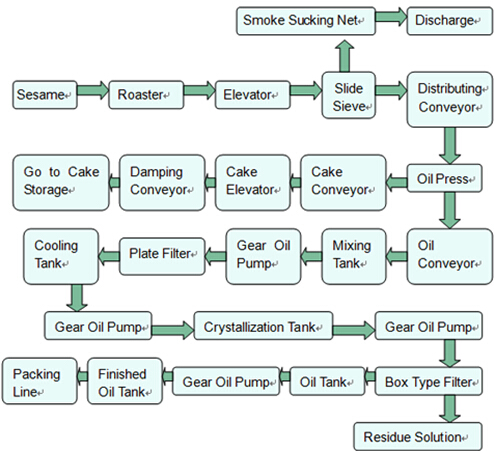
- Plan line layout with expansion in mind: cleaning → conditioning/roasting → pressing/extraction → filtration/refining → storage and filling.
Need a process recommendation tailored to your sesame supply and target market?
Penguin Group supports factories with practical line selection logic—matching extraction route, capacity roadmap, and compliance goals to real operating conditions. If you want, you can share your daily throughput target, seed origin, and product positioning, and receive a structured recommendation.
Book a free consultation for your sesame oil extraction process selection
Tip: bring your seed specs (moisture/impurities/oil content) and the desired flavor profile; it shortens the decision cycle dramatically.