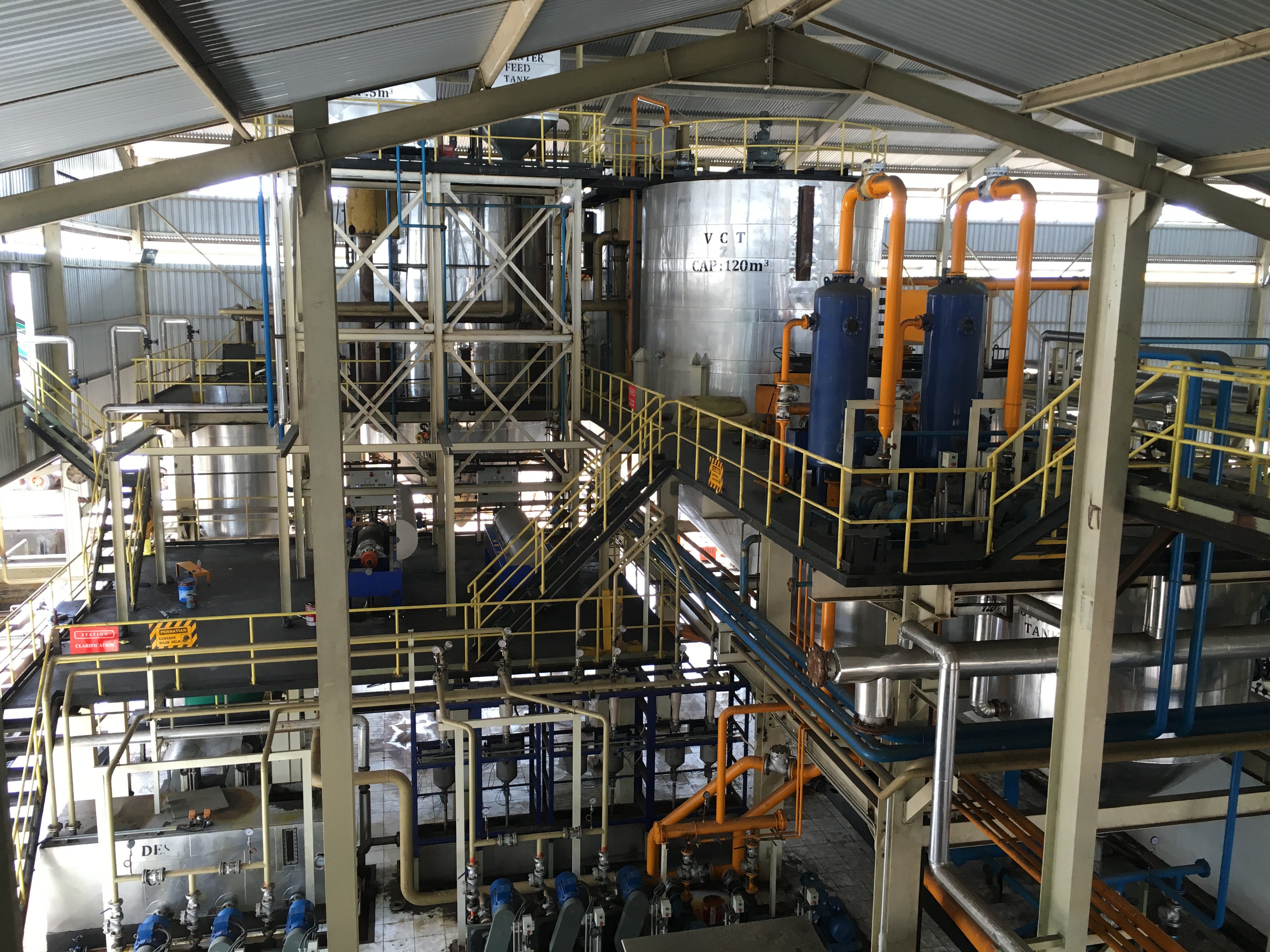
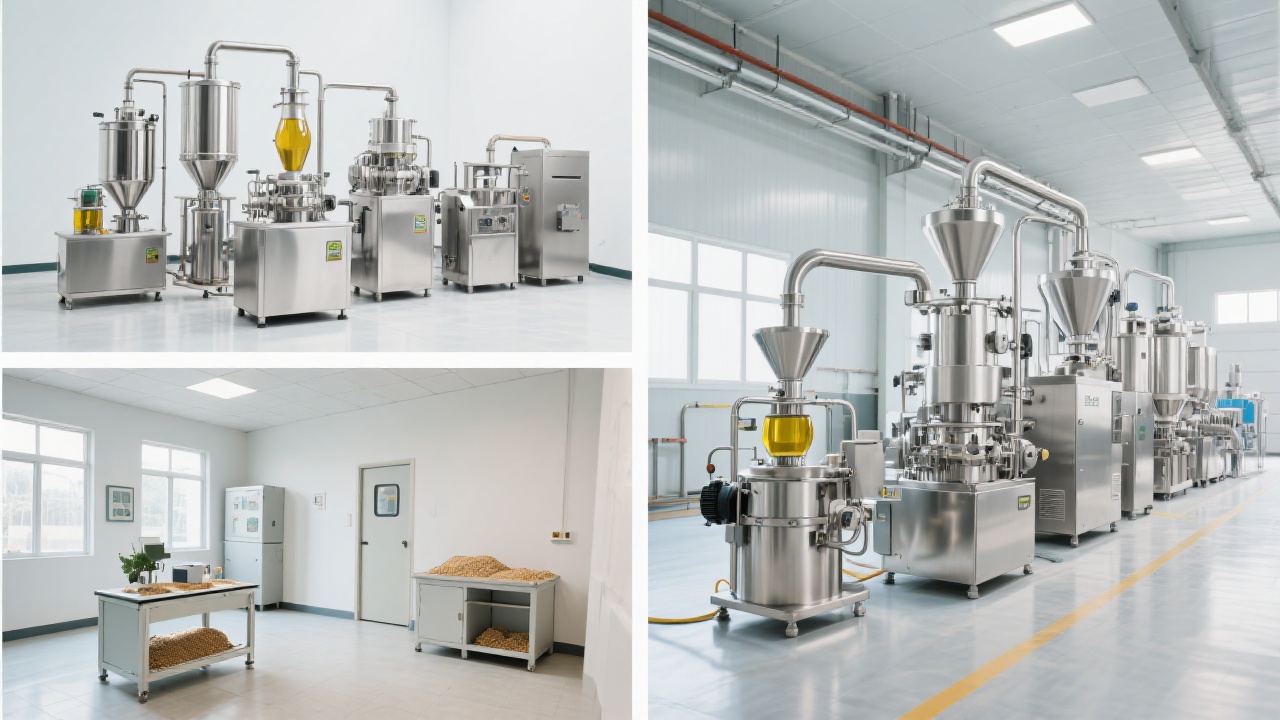
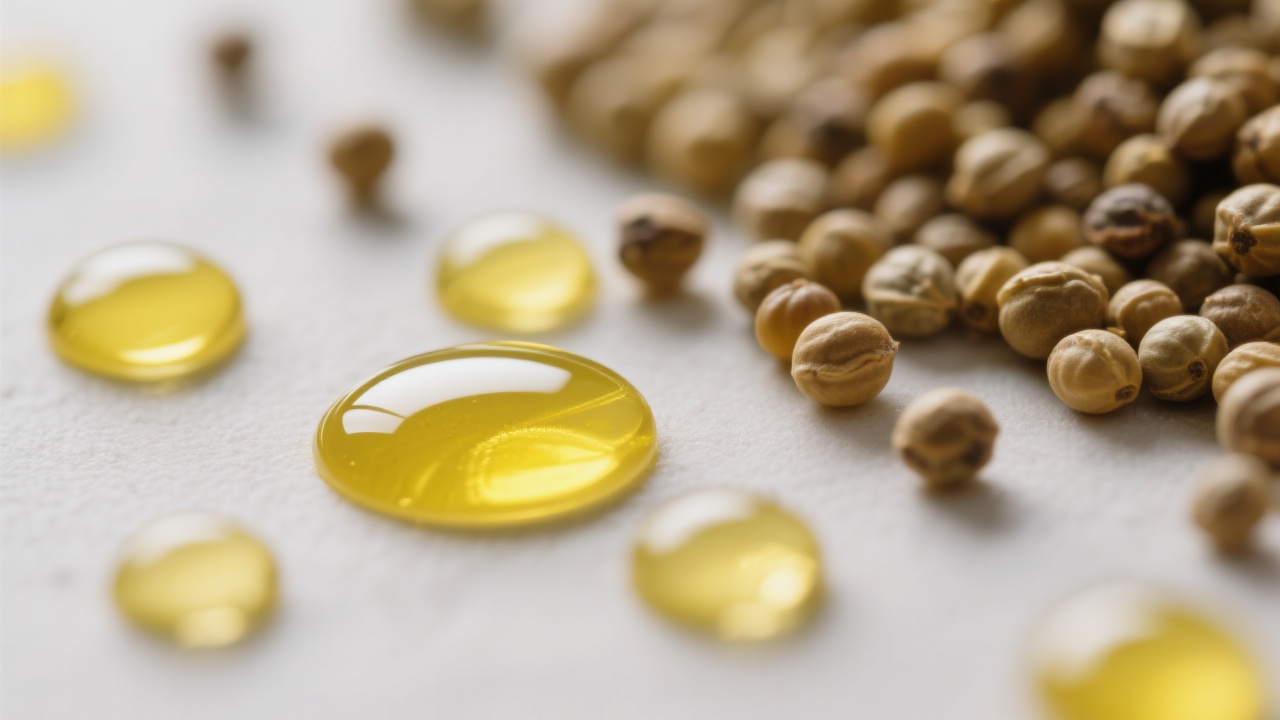
The production of sesame oil is a complex and sophisticated process that requires a deep understanding of various techniques and their impacts on the final product. This article aims to provide a detailed analysis of the entire process of sesame oil extraction, from the pre - treatment of sesame seeds to the post - treatment processes, with a focus on improving the oil yield and quality.
The pre - treatment of sesame seeds is the first and crucial step in the sesame oil extraction process. It includes cleaning, drying, and crushing. Cleaning the sesame seeds removes impurities such as dirt, stones, and other foreign materials. A study shows that proper cleaning can increase the overall extraction efficiency by up to 10%. After cleaning, the sesame seeds are dried to reduce the moisture content. Generally, the moisture content should be reduced to around 5 - 7% to optimize the subsequent extraction process. Finally, crushing the seeds increases the surface area, which significantly enhances the contact between the oil and the extraction medium, thereby improving the extraction efficiency. 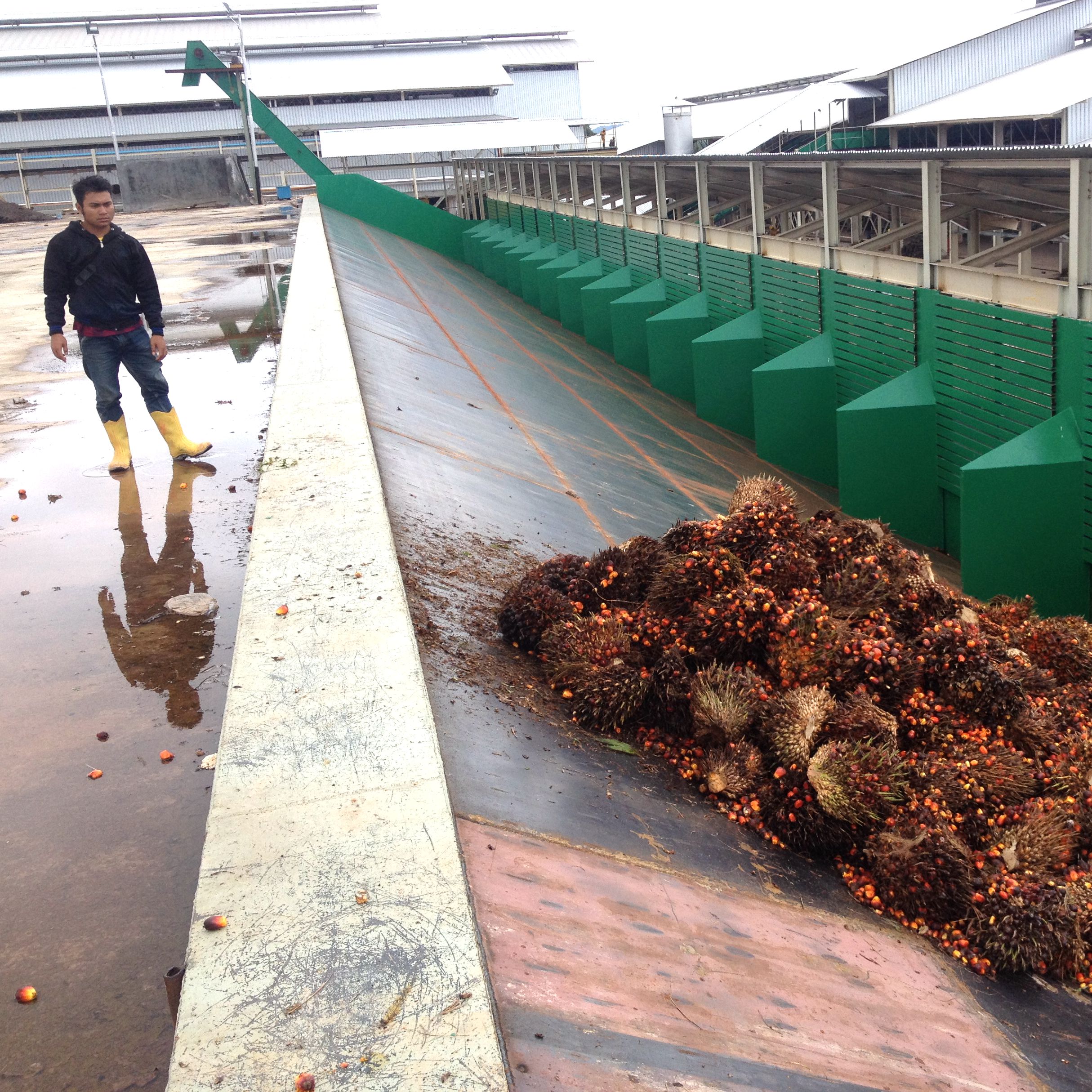
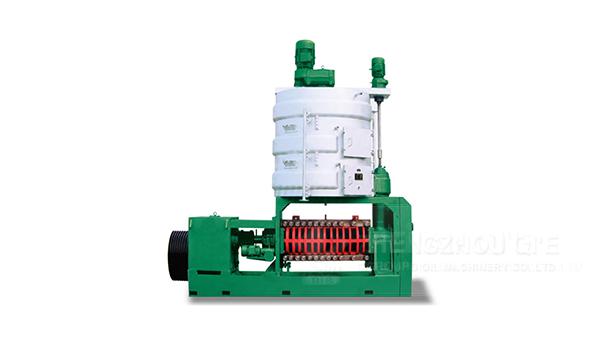
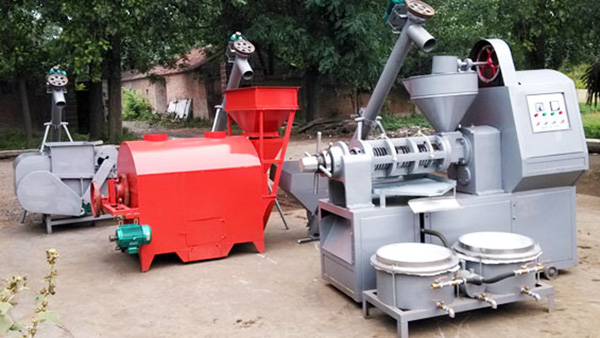
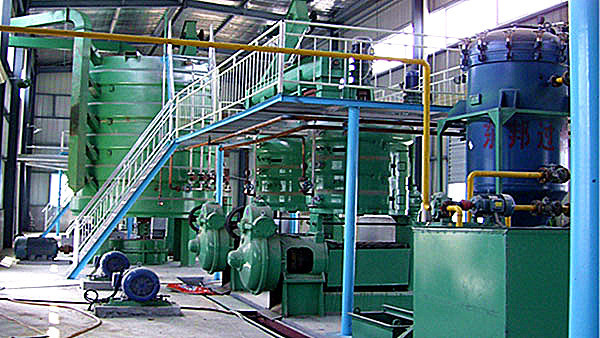
There are two main methods for extracting sesame oil: pressing and solvent extraction. Pressing is a traditional method that uses mechanical force to squeeze the oil out of the sesame seeds. It is simple and environmentally friendly, but the oil yield is relatively low, usually around 40 - 45%. On the other hand, solvent extraction uses a solvent to dissolve the oil from the seeds. This method can achieve a higher oil yield, up to 90%, but it requires more complex equipment and strict safety measures. The choice between these two methods depends on the scale of production and the specific requirements of the product. For small - scale producers, pressing may be a more suitable option, while large - scale industrial production often prefers solvent extraction. 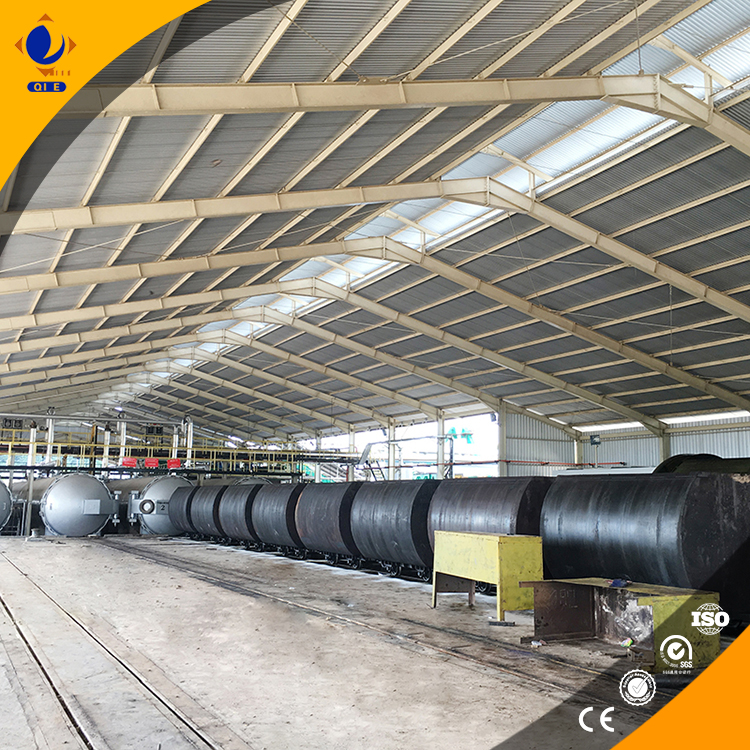
Temperature control is a key factor in maintaining the flavor and nutritional value of sesame oil. High temperatures can cause the oil to oxidize and lose its flavor and nutrients. For example, when the temperature exceeds 120°C during the extraction process, the content of antioxidants in the oil may decrease by up to 30%. Therefore, it is essential to control the temperature within a reasonable range. In pressing, the temperature is usually controlled between 80 - 100°C, while in solvent extraction, the temperature should be carefully regulated to avoid over - heating.
Filtration and degumming are important post - treatment processes that can improve the purity of the refined oil. Filtration removes solid particles and impurities from the crude oil, while degumming removes phospholipids and other gummy substances. These processes can significantly improve the clarity and stability of the oil. By optimizing the filtration and degumming processes, the purity of the refined oil can be increased by up to 95%. 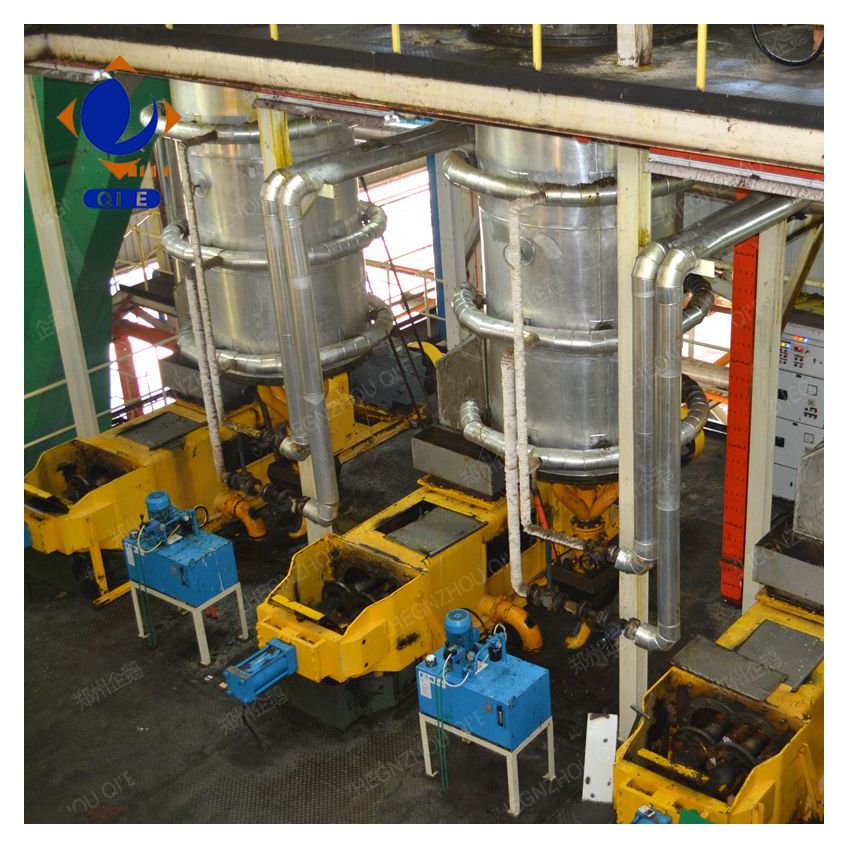
There are significant differences in the operation of industrial - grade and small - scale equipment. Industrial - grade equipment is usually more automated and has a higher production capacity, but it requires more professional maintenance. Small - scale equipment is more flexible and suitable for small - scale production, but it may have some limitations in terms of efficiency and precision. This article provides practical technical troubleshooting guides for both types of equipment, helping producers to solve common problems such as unpleasant odors in the oil and low oil yield.
If you are a sesame oil producer looking to improve your production efficiency and product quality, our advanced sesame oil extraction equipment can be your ideal choice. It combines the latest technology and practical design to help you achieve higher oil yields and better - quality products. Learn More about Our Sesame Oil Extraction Equipment
 109
|
109
|
 medium-sized
eco-friendly
peanut oil extraction machine
production challenges
Africa
Europe
innovative technology
sustainable practices
medium-sized
eco-friendly
peanut oil extraction machine
production challenges
Africa
Europe
innovative technology
sustainable practices
 262
|
Sesame oil extraction process
Reasons for low oil yield
Solutions for sesame oil odors
Operation skills of edible oil manufacturing machines
Optimization of sesame oil pressing technology
262
|
Sesame oil extraction process
Reasons for low oil yield
Solutions for sesame oil odors
Operation skills of edible oil manufacturing machines
Optimization of sesame oil pressing technology
 373
|
Sesame oil press
Sustainable supply chain
Sesame oil export
Cold - pressing technology
Pressing process
373
|
Sesame oil press
Sustainable supply chain
Sesame oil export
Cold - pressing technology
Pressing process
 211
|
efficient seed pretreatment production line for vegetable oil
custom equipment for various oilseed types
comprehensive service for seed pretreatment systems
211
|
efficient seed pretreatment production line for vegetable oil
custom equipment for various oilseed types
comprehensive service for seed pretreatment systems
 369
|
medium-sized eco-friendly peanut oil extraction machine
peanut oil production equipment for Africa and Europe
efficient and energy-saving peanut oil extractor
369
|
medium-sized eco-friendly peanut oil extraction machine
peanut oil production equipment for Africa and Europe
efficient and energy-saving peanut oil extractor





.jpg?x-oss-process=image/resize,m_fill,h_300,w_300/format,webp)


.jpg?x-oss-process=image/resize,m_fill,h_400,w_400/format,webp)
.jpg)