
In the production of sesame oil, low oil yield and off - flavors in the oil are common issues that significantly affect the profitability of producers. This article comprehensively analyzes the key factors leading to these problems throughout the sesame oil extraction process and offers practical solutions.
The entire sesame oil extraction process involves several core stages that can lead to a decrease in oil yield and the generation of off - flavors. These include raw material processing, setting of pressing parameters, temperature control, and filtration and degumming.
The moisture content of raw sesame seeds is a crucial factor. If the moisture content is too high (ideally, it should be around 8% - 10%), it can lead to lower oil yield. For example, in a small - scale home workshop, if the sesame seeds are not properly dried and have a moisture content of over 12%, the oil yield can drop by about 5% - 8% compared to properly dried seeds.

The pressure and speed during the pressing process also play important roles. Incorrect pressure settings can cause incomplete oil extraction. In industrial - scale production, if the pressure is set too low, the oil yield can be reduced by 10% - 15%. Different types of equipment (small - scale home use vs. industrial - grade) have different optimal pressure and speed settings. Small - scale home - use oil presses usually require a lower pressure and slower speed compared to industrial - grade ones.
Temperature is a critical parameter in the sesame oil extraction process. An improper pressing temperature can not only reduce the oil yield but also cause the oil to develop an unpleasant odor. The optimal pressing temperature for sesame oil is generally between 120°C - 130°C. If the temperature is too high, above 140°C, the oil may start to burn, resulting in a burnt smell and a decrease in oil quality. In contrast, if the temperature is too low, below 110°C, the oil yield will be significantly reduced.
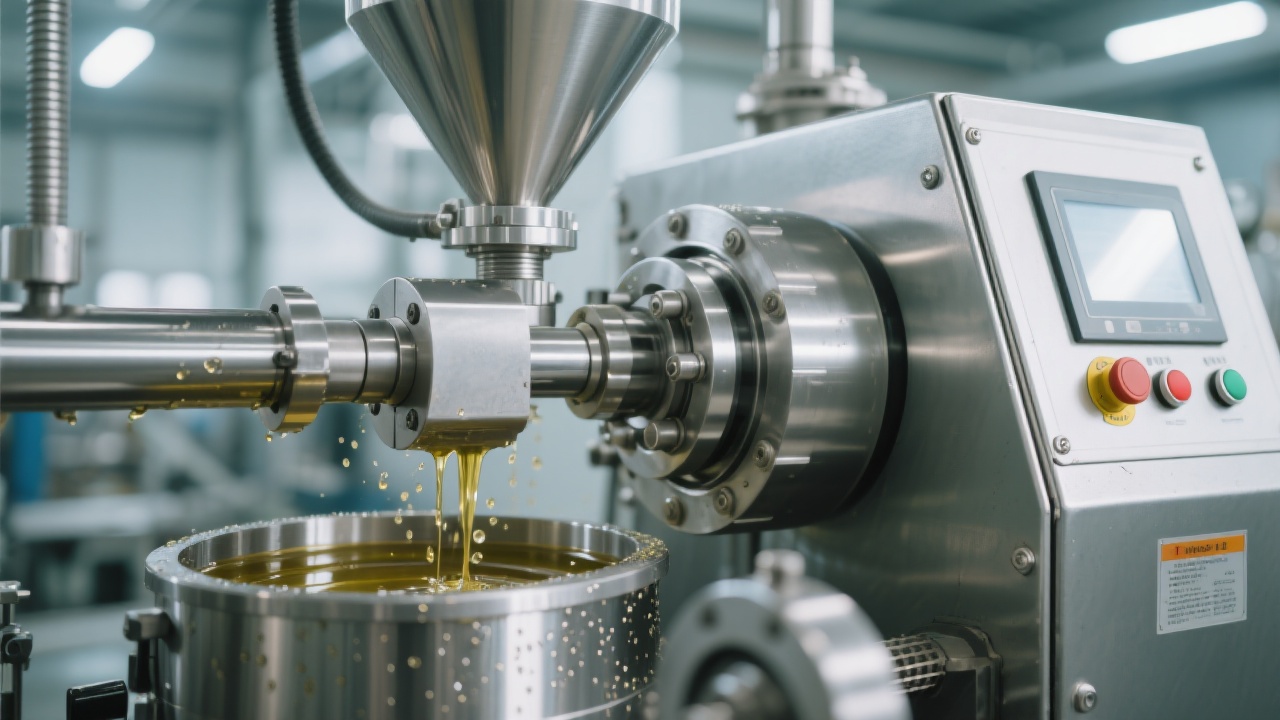
Proper filtration and degumming are essential for removing impurities and phospholipids from the oil. If the filtration is not thorough or the degumming process is not carried out correctly, it can lead to oil with a cloudy appearance and an unpleasant taste. For instance, in a large - scale industrial production, if the filtration equipment is not regularly maintained and cleaned, the oil may retain more impurities, which can affect the flavor and quality of the final product.
Let's take a look at some real - world examples to illustrate the differences in operation and corresponding strategies between small - scale home use and industrial - scale equipment.
A small - scale home workshop owner noticed that the oil yield from his sesame seeds was lower than usual, and the oil had a strange smell. After inspection, it was found that the raw sesame seeds were not dried properly, and the temperature of the small - scale oil press was not accurately controlled. The solution was to dry the seeds thoroughly in the sun and adjust the temperature setting according to the manufacturer's instructions. After these adjustments, the oil yield increased by about 7%, and the off - flavor was significantly reduced.
In an industrial - scale sesame oil production plant, the oil yield decreased suddenly, and the oil had a fishy smell. After a detailed investigation, it was discovered that the equipment had not been cleaned thoroughly, and the filtration system was clogged. The plant operators followed a structured checklist to clean the equipment and replace the filter elements. As a result, the oil yield returned to normal, and the oil quality improved.
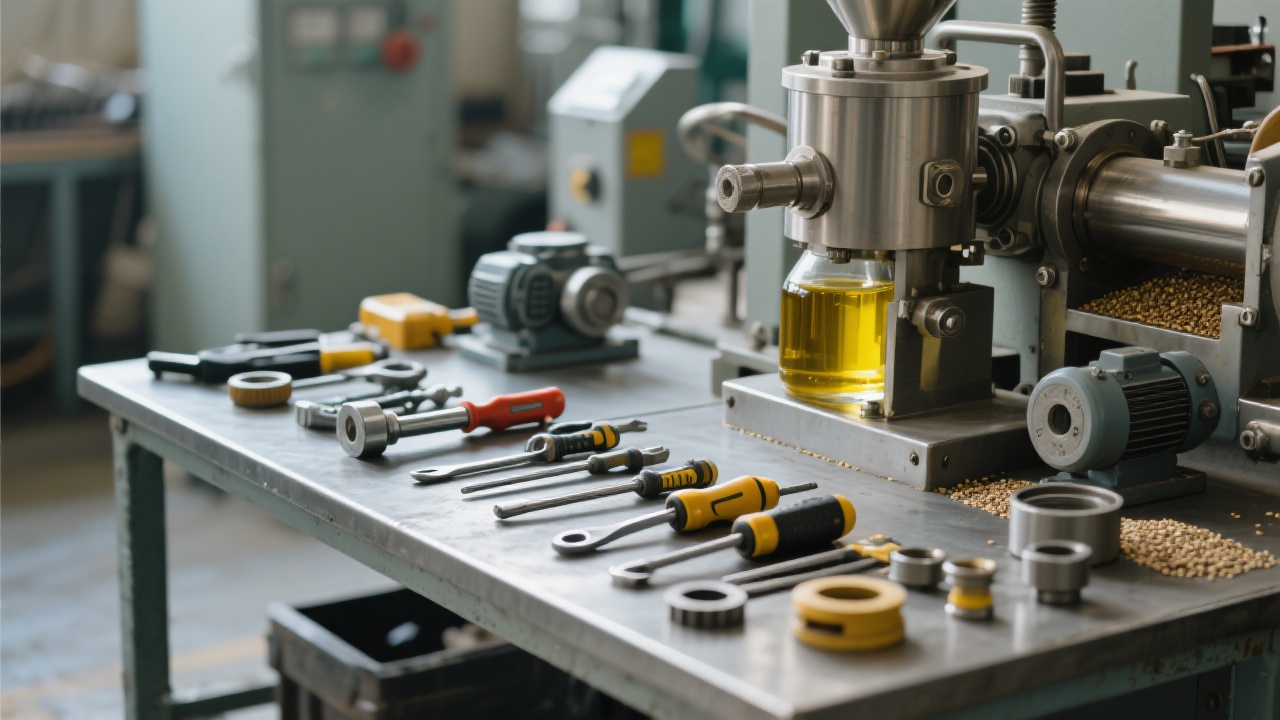
To help sesame oil producers quickly troubleshoot problems, we have prepared a structured checklist:
| Process Step | Check Items | Standard Operation |
|---|---|---|
| Raw Material Processing | Moisture content of seeds | Dry seeds to 8% - 10% moisture content |
| Pressing | Pressure and speed settings | Refer to equipment manual for optimal settings |
| Temperature Control | Pressing temperature | Maintain at 120°C - 130°C |
| Filtration and Degumming | Equipment cleanliness and filter status | Clean equipment regularly and replace filters as needed |
Industry experts suggest that following these standardized operations can effectively improve the oil yield and quality. For example, using a stable temperature control system can significantly reduce the risk of off - flavors in the oil, which is highly recommended for both small - scale and industrial - scale producers.
If you are looking to optimize your sesame oil extraction process and boost your oil yield and quality, click here to learn more about our advanced oil extraction solutions.





.jpg?x-oss-process=image/resize,m_fill,h_300,w_300/format,webp)


.jpg?x-oss-process=image/resize,m_fill,h_400,w_400/format,webp)