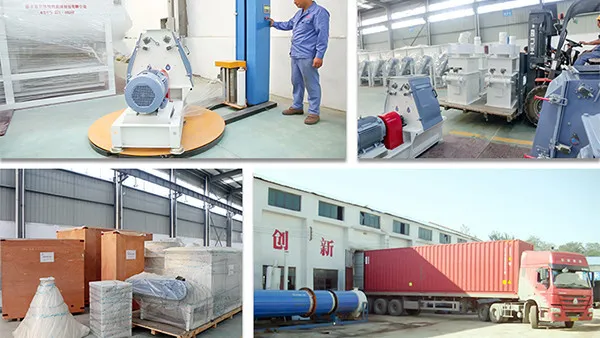
The initial stage of sesame oil extraction involves a series of raw material pretreatment steps, including cleaning, drying, and crushing. Cleaning is crucial as it removes impurities such as dust, stones, and other foreign matter from the sesame seeds. This not only improves the quality of the final product but also protects the extraction equipment from damage. For instance, a study shows that thorough cleaning can reduce equipment wear by up to 20%.
Drying is another vital step. Properly dried sesame seeds (with a moisture content of around 5 - 8%) are essential for efficient oil extraction. Over - dried seeds may lead to lower oil yields, while seeds with excessive moisture can cause problems during the crushing and pressing processes. The ideal drying temperature is usually between 100 - 120°C, and this process can last for about 30 - 60 minutes depending on the quantity of seeds.
Crushing the seeds after drying helps to break the cell walls, making it easier for the oil to be released during the subsequent pressing or extraction process. The size of the crushed particles can significantly affect the oil extraction efficiency. Generally, a particle size of around 0.5 - 1 mm is considered optimal for maximum oil release.
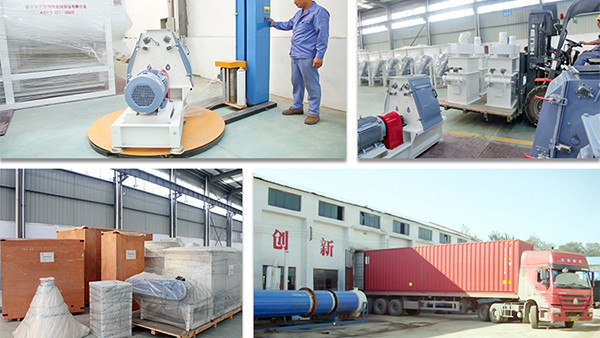
When it comes to extracting oil from sesame seeds, producers often face the choice between pressing and solvent extraction methods. Pressing is a mechanical process that involves applying pressure to the seeds to squeeze out the oil. It is a more traditional and straightforward method, suitable for small - scale producers and those who prioritize the natural flavor and quality of the oil. The pressing method can be further divided into cold - pressing and hot - pressing. Cold - pressed sesame oil retains more nutrients and has a milder flavor, while hot - pressing can achieve higher oil yields, usually around 40 - 45% compared to 30 - 35% in cold - pressing.
Solvent extraction, on the other hand, uses a chemical solvent (such as hexane) to dissolve the oil from the seeds. This method is more commonly used in large - scale industrial production as it can achieve much higher oil yields, up to 90 - 95%. However, the oil obtained through solvent extraction may require additional refining steps to remove the solvent residues and improve the flavor. The choice between the two methods depends on factors such as production scale, product quality requirements, and cost - effectiveness.
Temperature plays a crucial role in the sesame oil extraction process. During pressing or solvent extraction, different temperature ranges can have a significant impact on the flavor and nutritional value of the oil. High temperatures can lead to the formation of certain flavor compounds, giving the oil a more intense and characteristic taste. However, excessive heat can also cause the degradation of some nutrients, such as vitamin E and polyunsaturated fatty acids.
For example, when hot - pressing sesame seeds, a temperature range of 120 - 150°C can enhance the nutty flavor of the oil but may reduce the vitamin E content by up to 15%. In contrast, cold - pressing at temperatures below 60°C can preserve more of the nutrients but may result in a less intense flavor. Therefore, producers need to carefully balance temperature control based on their target product characteristics.
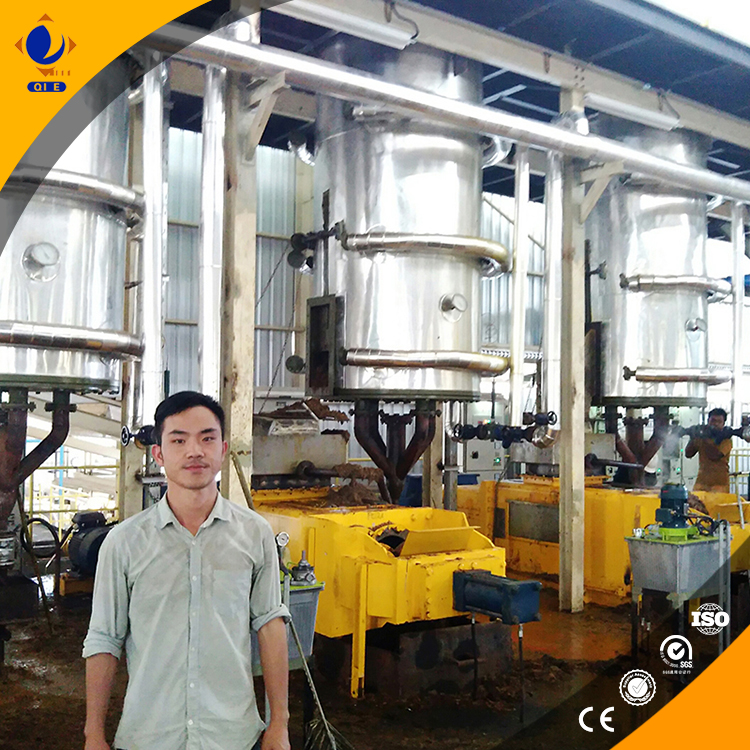
After the oil is extracted, filtration and degumming processes are essential for improving the purity of the final product. Filtration removes solid particles and impurities from the crude oil, making it clearer and more visually appealing. Different types of filters, such as plate - and - frame filters and cartridge filters, can be used depending on the production scale and the level of purity required.
Degumming is a process that removes phospholipids and other gummy substances from the oil. These substances can cause the oil to become cloudy and may also affect its stability during storage. By adding water or an acid solution to the crude oil and then separating the gum phase, producers can significantly improve the quality and stability of the sesame oil. This process can increase the shelf - life of the oil by up to 30%.
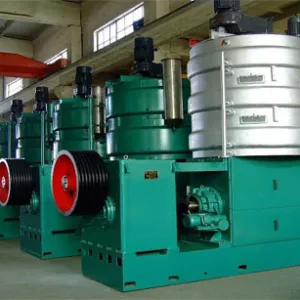
In the sesame oil extraction industry, there are various types of equipment available, ranging from industrial - scale machines to small - scale home - use devices. Industrial - scale equipment is designed for high - volume production and often offers more advanced features and higher automation levels. For example, large - scale presses can handle several tons of sesame seeds per day, while small - scale presses are more suitable for artisanal producers or home use, with a capacity of a few kilograms per batch.
A case study of a large - scale sesame oil production plant showed that by using advanced industrial equipment, the oil yield could be increased by 15 - 25% compared to small - scale operations. The industrial equipment also had more precise temperature and pressure control, resulting in a more consistent product quality.
Q: Why is the oil yield low?
A: Low oil yields can be caused by several factors, such as improper seed pretreatment (e.g., incorrect moisture content), the wrong choice of extraction method, or worn - out equipment. Make sure to follow the recommended pretreatment steps and choose the appropriate extraction method based on your production scale and requirements.
Q: Why does the oil have an unpleasant odor?
A: Odors in the oil can be due to factors like poor - quality raw materials, improper temperature control during extraction, or the presence of impurities. Ensure that you use high - quality sesame seeds and maintain the correct temperature throughout the extraction process.
.jpg)
In conclusion, optimizing the sesame oil extraction process is crucial for producers to improve efficiency and product quality. By understanding the key technical aspects of each step, choosing the right equipment, and solving common problems, producers can achieve better results. Remember, optimizing the process means increasing profits. If you want to learn more about the best equipment for your sesame oil extraction needs and how to optimize your operations, click here to explore our comprehensive solutions.





.jpg?x-oss-process=image/resize,m_fill,h_400,w_400/format,webp)