Are you struggling with low oil yield or strange odors in your sesame oil extraction process? You're not alone. Many sesame oil producers, whether they're running a small home workshop or a large industrial plant, often encounter these common problems. In this article, we'll dive deep into the technical pain points in the sesame oil extraction process, providing professional solutions to help you improve the quality and quantity of your sesame oil production.
Let's start by looking at the typical problems you might face in your daily operations. Low oil yield means less product to sell, directly affecting your bottom line. Meanwhile, off - flavors in the oil can lead to customer dissatisfaction and damage your brand reputation. These issues can occur at any stage of the extraction process, from raw material handling to the final filtration.
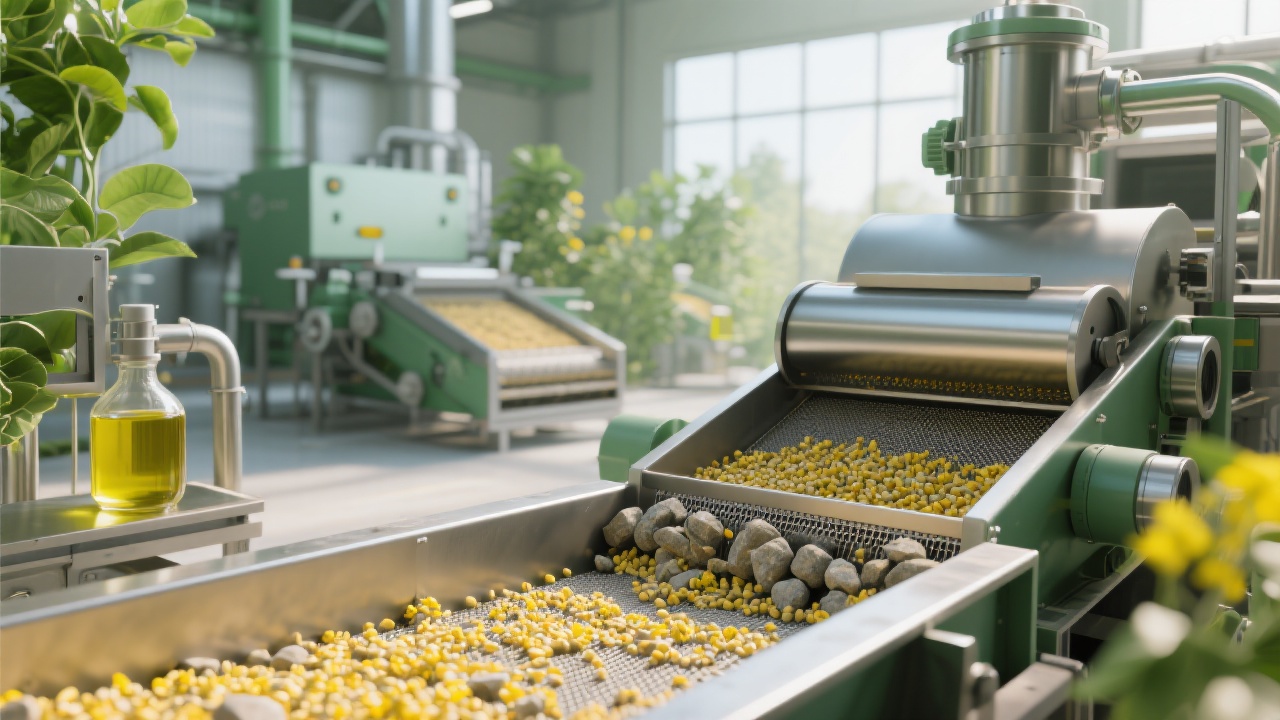
The quality of raw sesame seeds is the foundation of high - quality oil production. If the seeds are not properly cleaned, they may contain impurities that can affect the oil extraction process. Additionally, improper storage can lead to seed spoilage, resulting in lower oil yield and bad odors. For example, seeds with high moisture content can cause mold growth during storage, reducing the oil content.
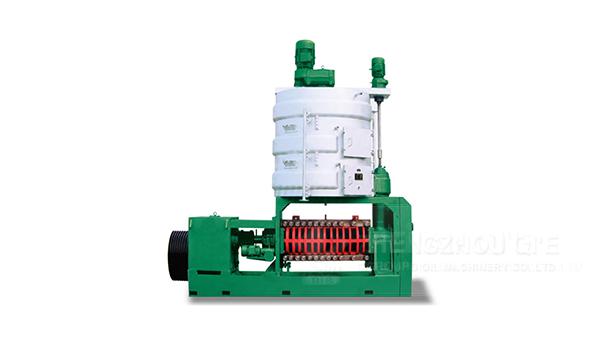
Your oil extraction equipment plays a crucial role in the process. Incorrect settings such as improper temperature, pressure, and speed can all lead to sub - optimal results. For instance, if the temperature during the pressing process is too low, the oil may not be fully released from the seeds, leading to low oil yield. On the other hand, if the temperature is too high, it can cause the oil to develop a burnt smell.
The overall extraction process, including pressing, filtration, and degumming, also needs to be carefully monitored. Any flaw in the process can lead to problems. For example, incomplete filtration can leave impurities in the oil, causing an unpleasant taste. And improper degumming can result in cloudy oil and a shorter shelf - life.
To help you quickly identify and solve these problems, here is a detailed troubleshooting guide:
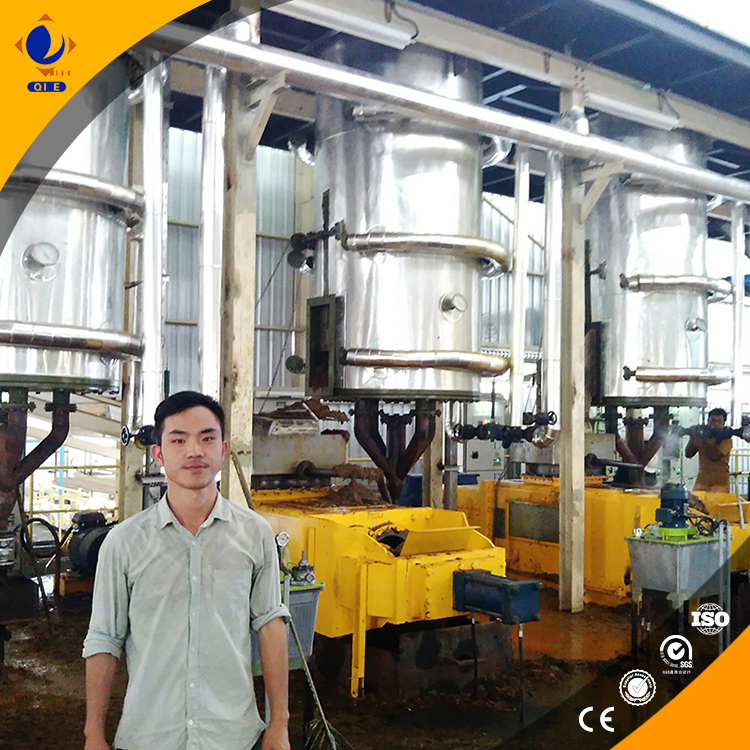
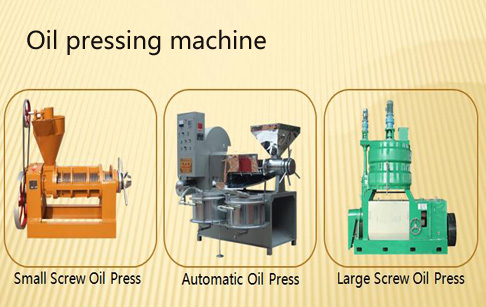
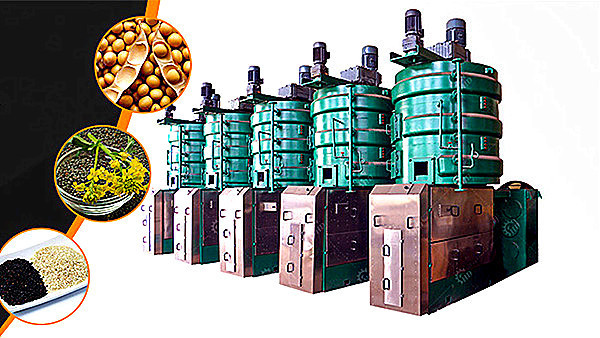
Small - scale home machines and industrial - grade equipment have different operation points in error - prone areas. Small machines are more suitable for home use or small - scale production. They are easier to operate but may have limitations in terms of capacity and precision. Industrial equipment, on the other hand, is designed for large - scale production, offering higher efficiency but requiring more professional operation and maintenance. For example, small machines may have a lower tolerance for incorrect parameter settings, while industrial equipment may be more complex to troubleshoot.
Let's look at some real - world examples to illustrate the effectiveness of our solutions. A small home workshop was experiencing low oil yield and strange odors in their sesame oil. After following our troubleshooting guide, they found that their seeds were not properly cleaned and the pressing temperature was too high. By adjusting these factors, they were able to increase their oil yield by 15% and eliminate the off - flavors.
Standardized operation and regular maintenance are key to long - term, stable production. By following the steps outlined in this article, you can quickly identify and solve problems in your sesame oil extraction process. Whether you are using a small - scale machine or an industrial - grade one, proper operation and maintenance can ensure high - quality, high - yield production.
Using our XX model equipment can effectively reduce odor residues and improve oil yield. If you want to optimize your sesame oil extraction process and achieve more efficient and stable production, click here to learn more about our advanced sesame oil extraction solutions.
 342
|
342
|
 Sesame Oil
Processing Machine
QIE Group
International Trade
B2B
Middle East and North Africa
Sesame Oil
Processing Machine
QIE Group
International Trade
B2B
Middle East and North Africa
 68
|
sesame oil export market
cold press vs hot press sesame oil
sesame oil processing technology
industrial sesame oil press machine
food-grade oil production
68
|
sesame oil export market
cold press vs hot press sesame oil
sesame oil processing technology
industrial sesame oil press machine
food-grade oil production
 365
|
peanut oil production process
crushing stage oil yield
hot cold pressing techniques
365
|
peanut oil production process
crushing stage oil yield
hot cold pressing techniques
 375
|
Medium - sized peanut oil extractor
Environmentally friendly peanut oil equipment
High - efficiency oil press
African peanut oil market
European peanut oil production equipment
375
|
Medium - sized peanut oil extractor
Environmentally friendly peanut oil equipment
High - efficiency oil press
African peanut oil market
European peanut oil production equipment
 254
|
premium peanut oil production
peanut oil extraction processes
high-quality peanut oil processing
254
|
premium peanut oil production
peanut oil extraction processes
high-quality peanut oil processing





.jpg?x-oss-process=image/resize,m_fill,h_300,w_300/format,webp)


.jpg?x-oss-process=image/resize,m_fill,h_400,w_400/format,webp)