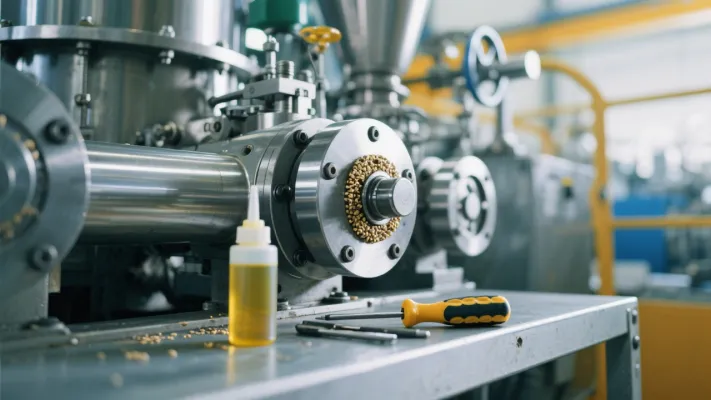
Mastering the pre-processing stages of sesame seeds is pivotal in achieving high-yield and premium-quality sesame oil. This guide explores detailed techniques for cleaning, drying, and crushing, contrasting industrial and small-scale equipment, enriched with expert insights and real-world troubleshooting to maximize efficiency.
Efficient cleaning is the foundation of quality sesame oil. Impurities such as dirt, stones, and husks can severely affect oil purity and pressing efficiency. Typically, sesame cleaning employs physical methods including:
Controlling cleaning efficiency is critical — industry standards recommend achieving ≥98% impurity removal. Failure to do so risks glandular blockage and off-flavors in the final oil. For example, an industrial sesame processor noted that upgrading from manual winnowing to automated air separation increased throughput by 40%, reducing post-press filtration costs by 25%.
Post-cleaning drying balances moisture reduction with seed integrity preservation. Optimal drying ensures the seed’s moisture falls to 6-8%, enabling efficient crushing without oil degradation. Parameters to consider:
| Drying Temperature | Recommended Range | Duration | Effect on Crushing |
|---|---|---|---|
| Low (<50°C) | 45–50°C | 2-4 hours | Preserves flavor; requires longer drying. |
| Moderate (50-60°C) | 55-60°C | 1-2 hours | Optimal balance for crushing ease without oil quality loss. |
| High (>60°C) | Over 60°C | <1 hour | Speeds drying but risks aroma deterioration and oil oxidation. |
Industrial dryers often utilize controlled airflow and temperature sensors, maintaining ±2°C precision to avoid overheating. Family-scale production typically employs solar or ambient drying but may face inconsistencies causing crushed seed clumping and inefficient oil release.
The crushed sesame seed particle size profoundly influences extraction yield. Research and industry data indicate:
Adjusting crusher configuration to target this size range can improve pressing yield by up to 15%, as confirmed in a case where a mid-sized sesame oil producer transitioned from traditional stone milling to adjustable hammer mills.
Industrial setups typically integrate automated cleaning lines, temperature-controlled rotary dryers, and precision crushers with adjustable speed and gap settings. This integration yields:
Small or household producers often rely on manual cleaning, open-air drying, and fixed-size crushers which offer flexibility but with trade-offs including variable moisture content and crushed grain distribution leading to reduced oil recovery.
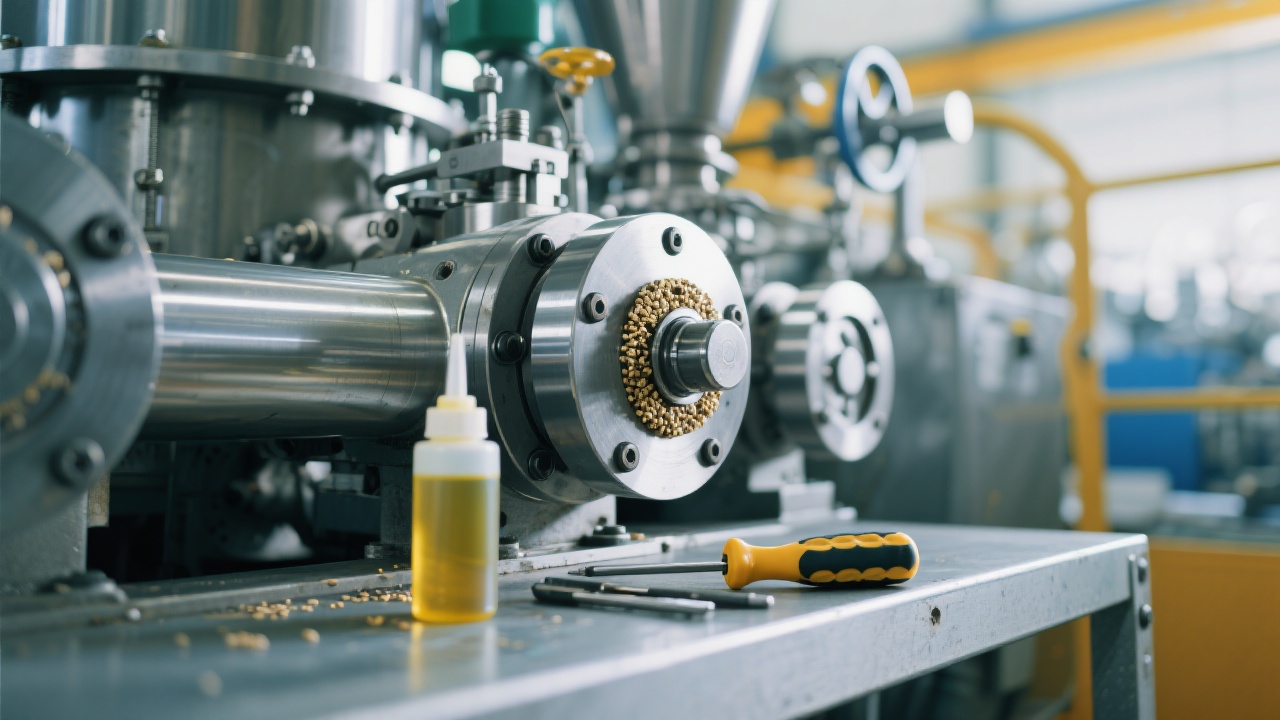
Investing in equipment with integrated features such as automated impurity detection, precise temperature controls, and dust-free crushing systems enables producers to consistently deliver high-quality sesame oil while lowering operational costs and material waste. Adopting these technologies can reduce raw material loss by 30% or more and improve oil clarity and nutritional retention.







.jpg?x-oss-process=image/resize,m_fill,h_300,w_300/format,webp)
.jpg?x-oss-process=image/resize,m_fill,h_400,w_400/format,webp)