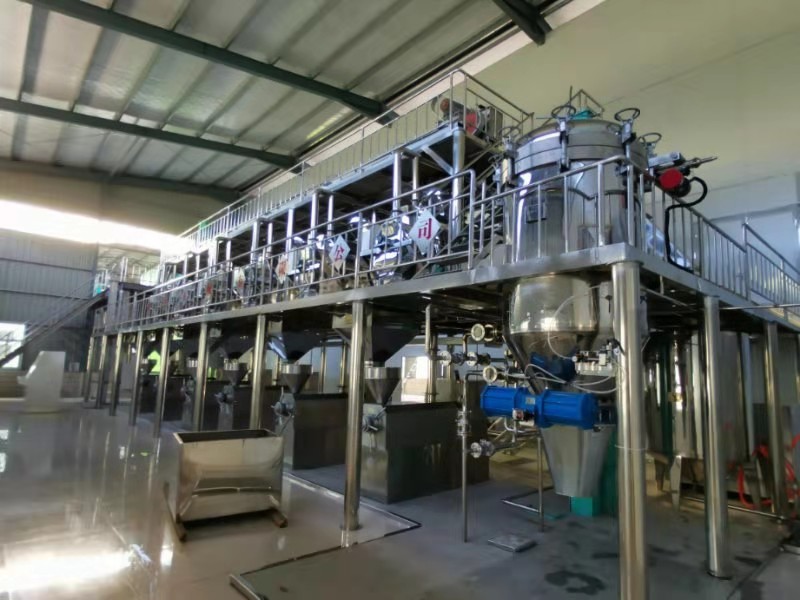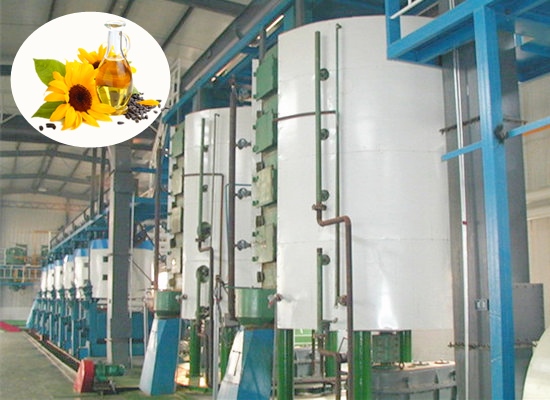
As the global demand for sesame oil continues to rise across food, health supplements, and cosmetics industries, mastering a rigorous quality control system throughout the export process is essential for suppliers aiming to excel internationally. Leveraging data-driven market insights and advanced processing innovations can empower exporters to differentiate their brand sustainably and meet evolving regulatory standards.
Recent market analysis indicates that the global sesame oil market is projected to grow at a CAGR of approximately 6.3% over the next five years, driven largely by its increasing incorporation into functional foods, natural health products, and cosmetic formulations. The Asia-Pacific region accounts for over 50% of consumption, yet demand is surging in North America and Europe fueled by organic product preferences and clean-label trends.
The nutritional profile of sesame oil — rich in antioxidants, Vitamin E, and unsaturated fatty acids — substantially appeals to health-conscious consumers. Furthermore, emerging research on its anti-inflammatory and skin-nourishing properties broadens its application spectrum. Therefore, exporters need to align quality specifications with multifaceted industry requirements to boost market relevance.
The quality journey begins with stringent selection of high-grade sesame seeds, ideally with moisture content below 8% to minimize microbial risks. Suppliers often implement supplier audits and traceability systems to ensure consistent provenance and purity.
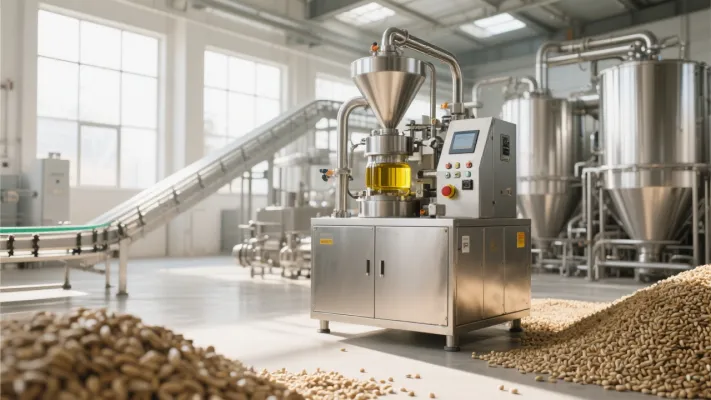
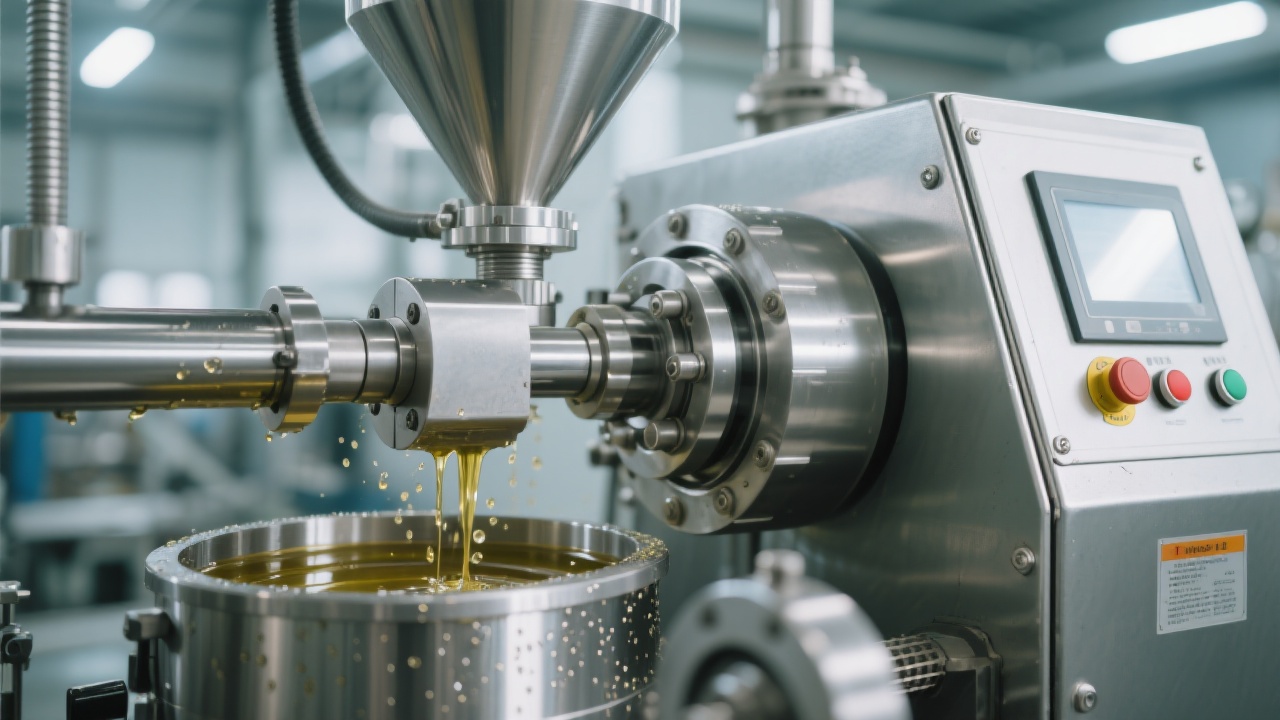
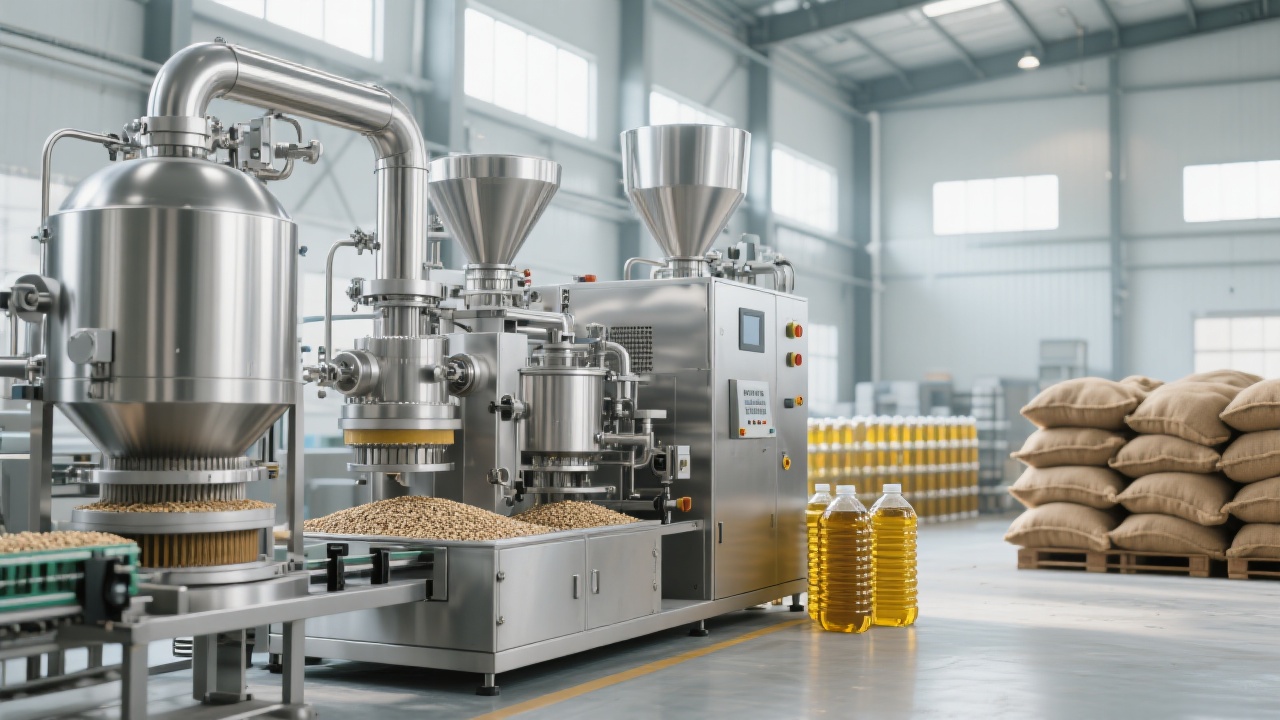
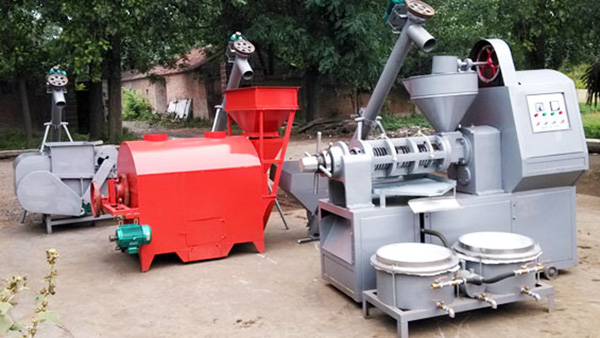
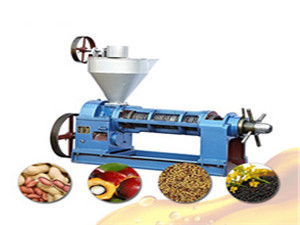
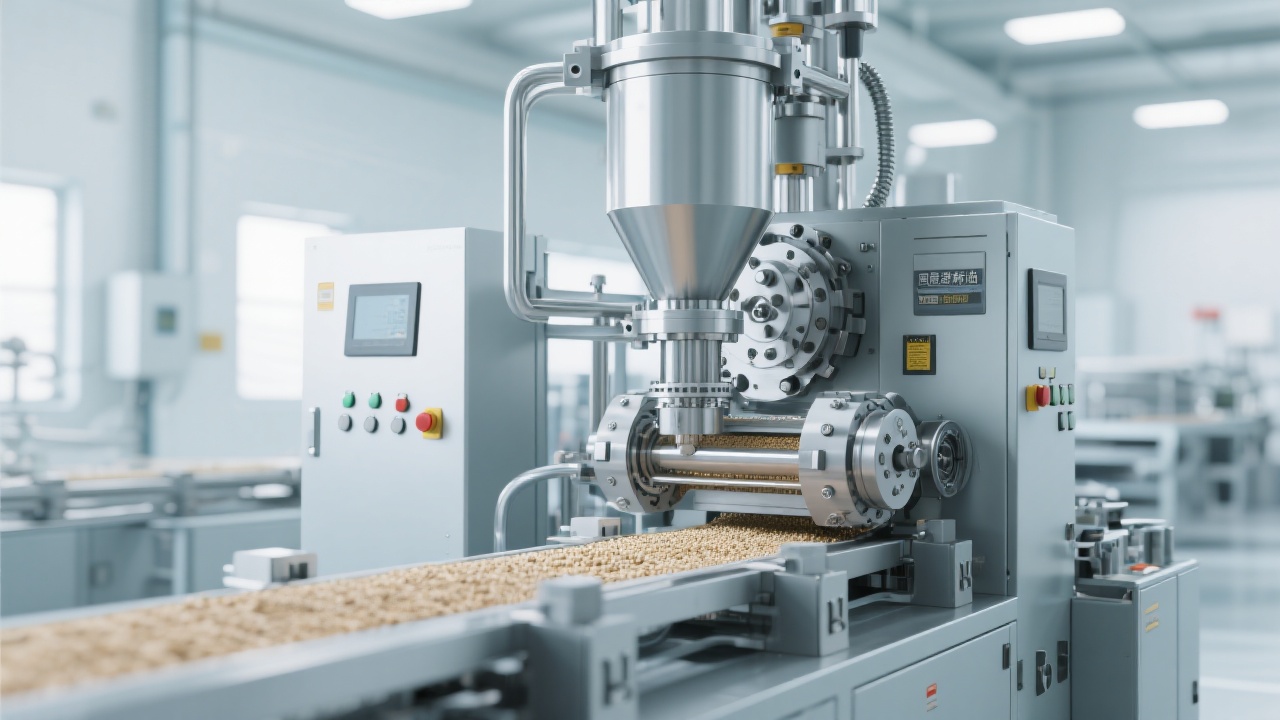
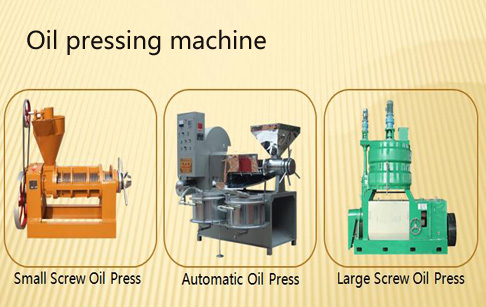
In the processing phase, cold-press extraction is preferred for premium product lines, preserving natural antioxidants. Alternatively, hot pressing combined with solvent extraction may be used to maximize yield but requires thorough refining to remove impurities. Employing advanced sesame oil expeller machines with automatic temperature control helps maintain oil stability.
Quality parameters such as acid value (<0.5 mg KOH/g), peroxide value (<10 meq/kg), and moisture content (<0.2%) must be rigorously tested using accredited laboratories before export shipment. Final checks include sensory evaluation and packaging integrity tests to safeguard product freshness during transportation.
Cutting-edge innovations—such as cold plasma treatment for microbial decontamination, UV sterilization in bottling lines, and blockchain-based supply chain transparency—are revolutionizing the sesame oil sector. Companies adopting these technologies report up to 15% reduction in quality-related rejections and enhanced consumer trust.
Moreover, incorporating sustainable energy solutions in processing plants and recyclable packaging materials aligns brands with global environmental compliance and consumer sustainability expectations.
| Quality Parameter | Recommended Limit | Test Method |
|---|---|---|
| Acid Value | ≤ 0.5 mg KOH/g | Titration (AOAC 920.180) |
| Peroxide Value | ≤ 10 meq/kg | Iodometric titration (AOCS Cd 8-53) |
| Moisture Content | ≤ 0.2% | Karl Fischer titration |
To maximize visibility among targeted B2B buyers, integrating SEO best practices is crucial. Primary keywords such as “sesame oil quality control,” “sesame oil export process,” and “sesame oil pressing technology” should be strategically placed across content, metadata, and anchor text. Additionally, leveraging authoritative industry portals and LinkedIn for thought leadership articles, coupled with Google Ads campaigns with a monthly budget allocation of $2,000-3,000, optimizes lead generation.
Engaging content elements like expert interviews, illustrative charts, and customer testimonials increase trust signals and page dwell time, positively influencing search rankings and conversions.
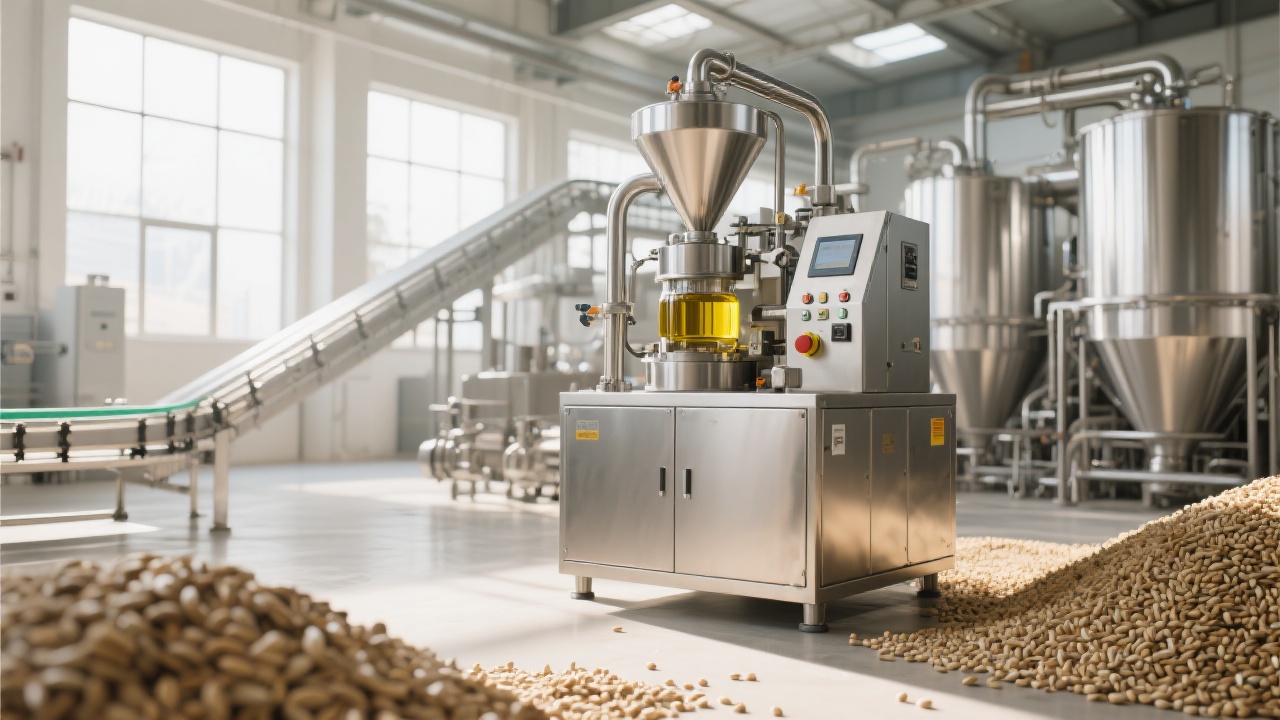
Implementing interactive mechanisms such as customer surveys and QA webinars helps exporters gather real-time market feedback. This feedback loop supports iterative improvements in processing protocols and export documentation, ensuring compliance with destination country regulations and buyer expectations.
For instance, a recent survey among European importers highlighted the importance of clear Traceability Certifications and ISO 22000 compliance as decisive factors in procurement choices.

Many exporters face challenges including inconsistent raw material quality, logistical delays, and regulatory shifts. Solutions include establishing multi-source procurement to mitigate seed supply volatility, investing in rapid on-site testing equipment for batch validation, and maintaining proactive compliance teams for international trade documentation.
Collaborative partnerships with third-party inspection agencies also facilitate smoother customs clearance and buyer confidence.

 223
|
223
|
 ["peanut oil extraction machine"
"eco-friendly oil press"
"mid-size peanut oil processor"
"African peanut oil equipment"
"European oil extraction system"]
["peanut oil extraction machine"
"eco-friendly oil press"
"mid-size peanut oil processor"
"African peanut oil equipment"
"European oil extraction system"]
 212
|
Medium and large sesame oil press selection
Daily maintenance methods for fully automatic sesame oil production equipment
Sesame oil press fault troubleshooting
Equipment maintenance solutions
Sesame oil production equipment operation skills
212
|
Medium and large sesame oil press selection
Daily maintenance methods for fully automatic sesame oil production equipment
Sesame oil press fault troubleshooting
Equipment maintenance solutions
Sesame oil production equipment operation skills
 289
|
seed preprocessing technology for vegetable oil
efficient oilseed processing solutions
innovative vegetable oil extraction systems
289
|
seed preprocessing technology for vegetable oil
efficient oilseed processing solutions
innovative vegetable oil extraction systems
 439
|
Peanut oil production process
hot pressing vs cold pressing peanut oil
sustainable oil cake utilization
282
|
small-scale palm oil equipment
customized oil pressing equipment
hot and cold pressing process
environmentally friendly oil pressing equipment
efficient oil production line
439
|
Peanut oil production process
hot pressing vs cold pressing peanut oil
sustainable oil cake utilization
282
|
small-scale palm oil equipment
customized oil pressing equipment
hot and cold pressing process
environmentally friendly oil pressing equipment
efficient oil production line






.jpg)