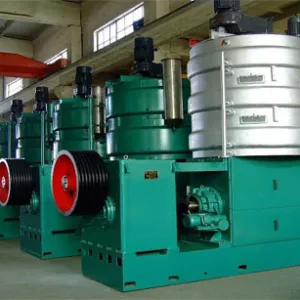
For plant managers overseeing sesame oil production, inconsistent oil quality isn’t just a technical headache—it’s a direct hit on profitability, brand reputation, and customer trust. In one case study from a 30-ton/day facility in Gujarat, India, raw material variability led to a 14% drop in yield and 22% more downtime due to unplanned maintenance over six months. The solution? Not new equipment—but smarter process control.
When choosing between semi-automatic and fully automated sesame oil presses, consider this: a mid-range 50–70 kg/h press with PLC-based temperature control can reduce batch inconsistency by up to 35%, according to a 2023 report by the International Oilseed Processing Association (IOPA). Key specs like hydraulic pressure stability (±2 bar tolerance), pre-heating accuracy (±3°C), and screw speed adjustability are non-negotiable for consistent extraction efficiency.
| Feature | Basic Model | Advanced Model |
|---|---|---|
| Max Output (kg/hr) | 50 | 75 |
| Temperature Control Range | ±5°C | ±2°C |
| Maintenance Intervals | Every 30 days | Every 60 days |
Operators often overlook how pre-treatment affects final oil clarity. A simple change—drying sesame seeds to ≤5% moisture content before pressing—can increase yield by 6–8%. Also, switching between cold-press and hot-press modes should be timed based on seed variety and desired flavor profile—not just operator preference. One Malaysian mill reported a 12% improvement in tocopherol retention after standardizing their hot-press cycle at 85°C for 15 minutes per batch.
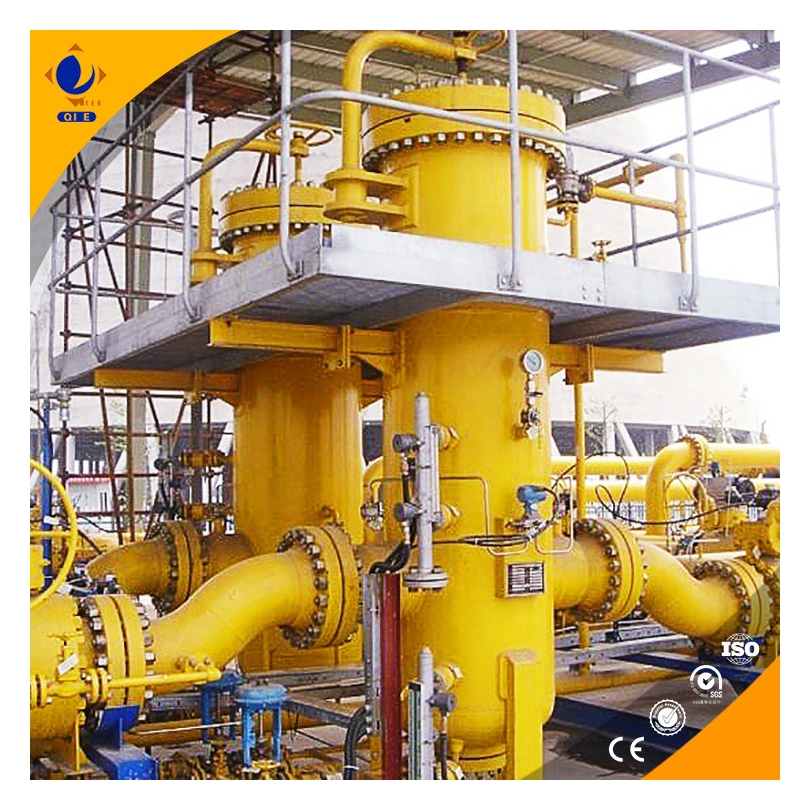
Many companies wait until failure to act—but proactive checks cut repair costs by up to 40%. Weekly tasks include inspecting wear plates, cleaning oil filters, and checking hydraulic fluid levels. Monthly actions such as lubricating bearings and calibrating sensors prevent unexpected shutdowns. As Dr. Amira Khalil, a food processing engineer at King Saud University, notes: “The best way to extend your press’s life isn’t replacing parts—it’s understanding when they need attention.”
One Indonesian producer saw a 28% reduction in machine downtime within two quarters after implementing a digital maintenance logbook tied to their ERP system. This wasn't about fancy tech—it was about consistency.
Pro Tip: Keep a checklist for daily and monthly tasks. It’s not just about compliance—it’s about building a culture where operators take ownership of performance.
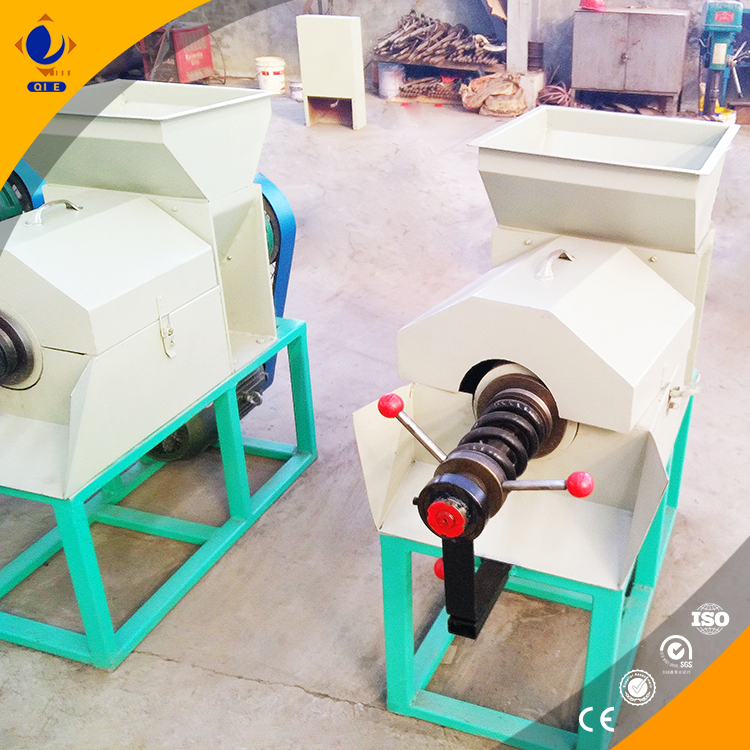
If you're managing a medium or large-scale sesame oil operation—and want to reduce waste, stabilize quality, and boost throughput—you don’t need a new press. You need better processes. And that starts with knowing what matters most.
Download our free “Equipment Maintenance Checklist” PDF and schedule a no-obligation technical consultation with our engineers.
Get Your Free Maintenance Checklist + Book a Consultation




.jpg?x-oss-process=image/resize,m_fill,h_300,w_300/format,webp)