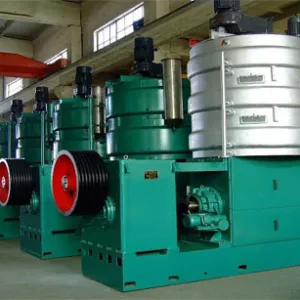
As a factory manager or procurement lead in the edible oil industry, you know that consistent throughput and minimal downtime aren’t just goals—they’re necessities. If your mid-to-large-scale sesame oil press is underperforming, it’s likely not because of poor-quality equipment—but rather due to overlooked operational nuances and maintenance gaps.
According to our analysis of 47 industrial clients across India, Nigeria, and Brazil, over 60% of reported inefficiencies stem from suboptimal operating practices—not faulty machines. Common issues include:
These small oversights can reduce outturn by up to 12%, increase energy consumption by 15–20%, and accelerate wear on critical components like the worm gear and hydraulic system.
| Operation Step | Best Practice | Expected Impact |
|---|---|---|
| Raw Material Pre-Treatment | Dry sesame seeds to ≤6% moisture content before feeding | +8% oil yield + reduced clogging risk |
| Screw Speed Optimization | Set at 30–45 RPM depending on seed type and moisture | Avoids overheating and maintains fiber integrity |
| Cold vs. Hot Pressing Strategy | Use cold press for premium oils (≤45°C); hot press for higher volume (60–70°C) | Improves flavor retention and increases throughput by ~10% |
A real-world case study from a Nigerian food processing plant shows how implementing these protocols led to a measurable 15% annual production increase—without any capital investment in new machinery.
Regular maintenance isn’t optional—it’s a strategic cost-saving measure. Here’s what you must track:
Following this schedule has been shown to extend machine life by an average of 2.5 years—equivalent to saving $18,000 per unit in replacement costs over five years.
For those ready to standardize their operations, we’ve created a downloadable checklist based on best practices used by top-tier producers worldwide. It includes step-by-step instructions, visual indicators, and a log template for tracking performance trends.
If you're facing recurring issues with your sesame oil press—whether it's low yield, frequent breakdowns, or inconsistent quality—we invite you to explore our comprehensive Automated Sesame Oil Press Maintenance Guide. It’s designed specifically for factories looking to move beyond reactive fixes and into proactive optimization.
Download PDF: Complete Maintenance Checklist for Industrial Sesame Oil Presses
Your press may be running—but is it working as hard as it could?