The global sesame oil market has witnessed significant growth in recent years. According to the FAO report, the global production of sesame oil reached approximately 2.5 million tons in 2022, with a steady annual growth rate of about 3%. China, India, and Africa are the core production areas, accounting for over 70% of the total global production.
In terms of consumption, the demand in the European and American high - end markets is increasing rapidly. The United States, for example, has seen a 15% growth in sesame oil consumption in the past five years, mainly driven by the growing health awareness among consumers. Meanwhile, Asian countries like Japan and South Korea also have a stable demand for sesame oil due to their traditional cuisine.
Sesame oil has diverse applications in different industries. In the baking food industry, it can enhance the flavor and texture of products. For example, adding a small amount of sesame oil to bread can make it more fragrant and soft. In the functional health products sector, sesame oil is rich in antioxidants and nutrients such as vitamin E and sesamin, which have anti - aging and cholesterol - lowering effects. Some health supplement brands have launched sesame oil - based capsules.
In the natural skin care products industry, sesame oil is a popular ingredient due to its moisturizing and antibacterial properties. Many high - end skin care brands use cold - pressed sesame oil in their formulations, and sales of these products have been increasing at an annual rate of 12% in the past three years.
The growth of sesame oil consumption is mainly driven by several factors. Firstly, the improvement of health awareness has led consumers to prefer natural and healthy food ingredients. Sesame oil, as a natural and nutritious oil, meets this demand. Secondly, the preference for natural ingredients in cosmetics and health products has also promoted the use of sesame oil. Thirdly, the rise of vegetarianism has increased the demand for plant - based oils like sesame oil, as it is an important source of fat for vegetarians.
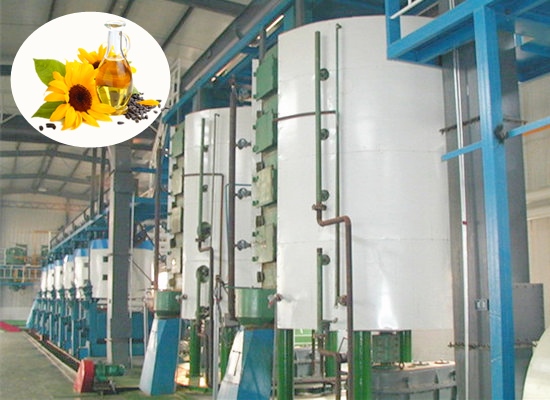
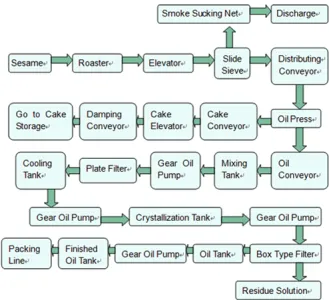
There are two main production processes for sesame oil: cold - pressing and hot - pressing. Cold - pressed sesame oil retains more nutrients and has a better flavor, but its production efficiency is relatively low. Hot - pressed sesame oil, on the other hand, has a higher yield but may lose some nutrients. According to industry data, the proportion of cold - pressed sesame oil in the high - end market has reached 30% and is still growing.
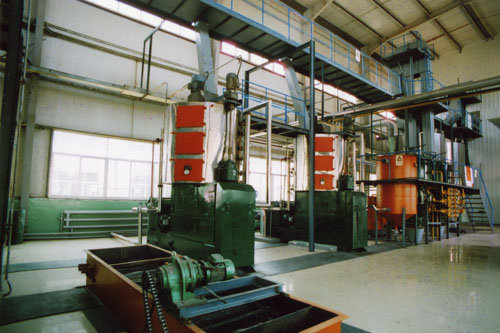
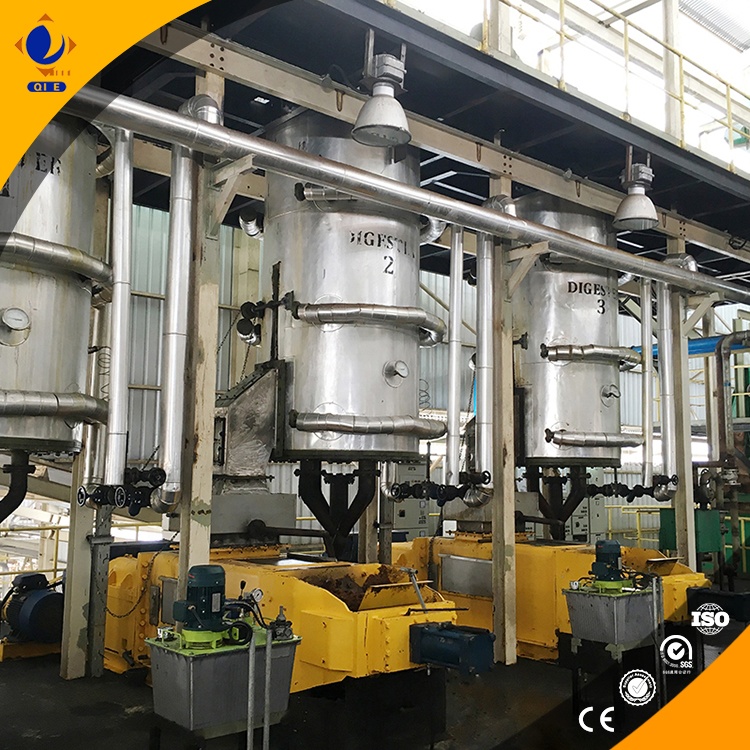
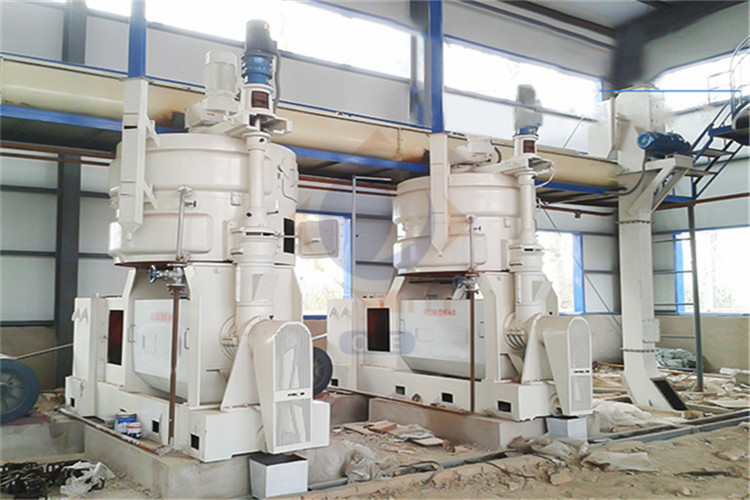
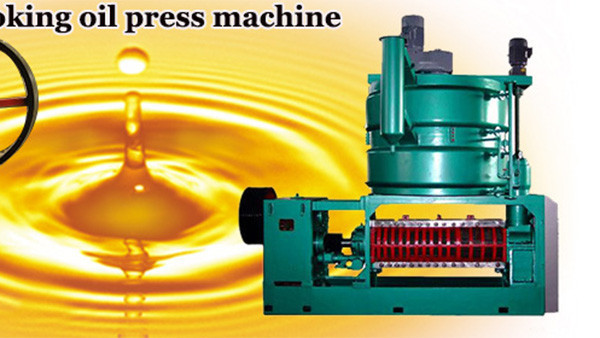
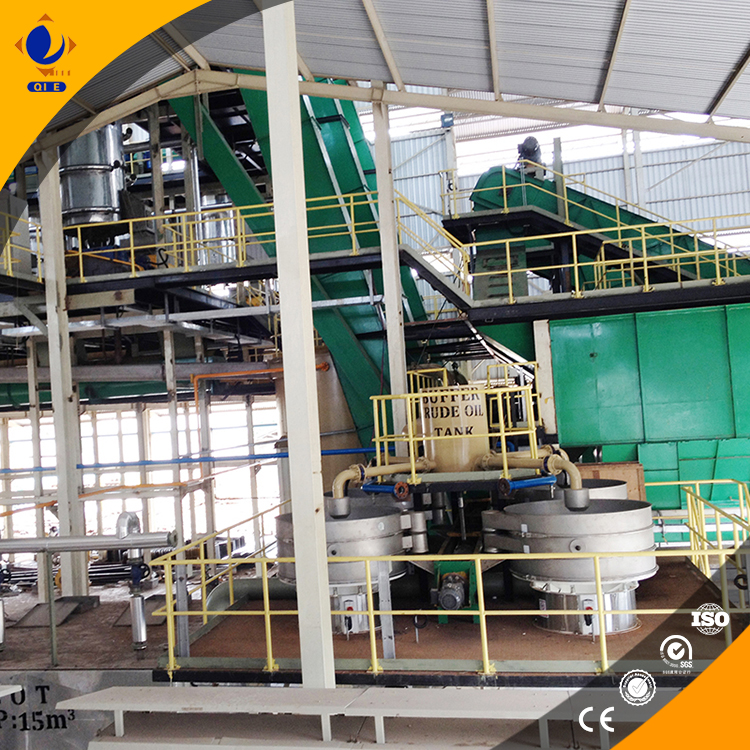
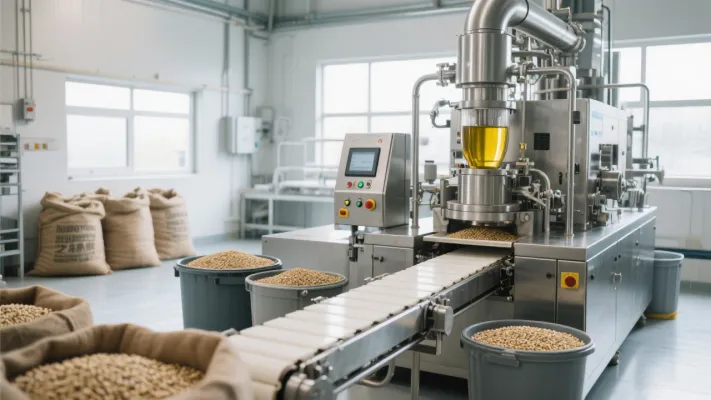
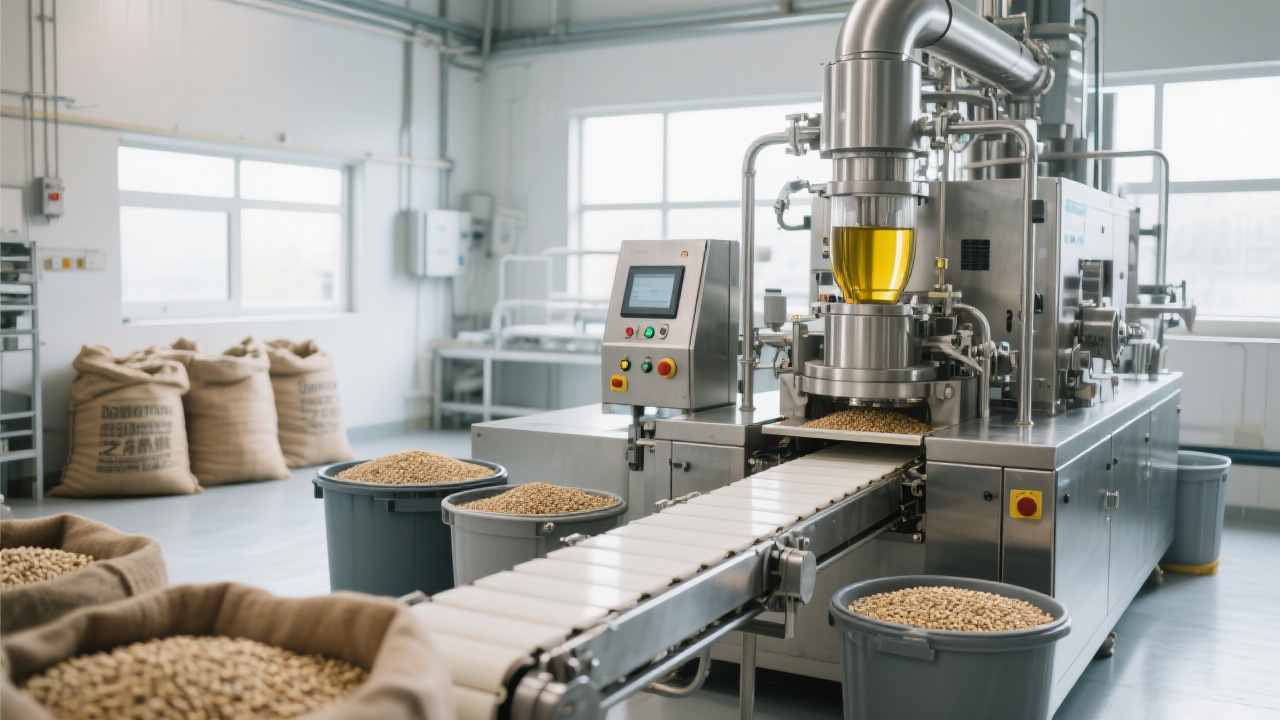
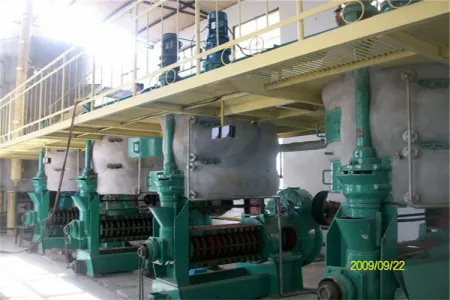
Automated pressing equipment has greatly improved the quality and efficiency of sesame oil production. Some advanced equipment can increase the oil extraction rate by 5 - 8% compared with traditional methods. For example, Company X, a leading sesame oil producer, has achieved a 20% increase in production efficiency after introducing automated equipment.

When choosing target markets, exporters should consider factors such as market demand, competition, and regulatory environment. The European and American markets are suitable for high - end products, while the Asian and African markets are more price - sensitive. Obtaining compliance certifications such as ISO and HACCP is crucial for entering international markets. Logistics and brand localization are also important aspects. For example, adapting product packaging and marketing strategies to local cultures can improve brand acceptance.
If you are looking for efficient and stable sesame oil production equipment, our professional team can provide you with customized solutions. Click here to learn more!
What do you think are the biggest challenges in the sesame oil export business? Share your thoughts in the comments below!

 155
|
155
|
 peanut oil production techniques
hot pressed vs cold pressed peanut oil
oil cake reutilization
peanut oil production techniques
hot pressed vs cold pressed peanut oil
oil cake reutilization
 103
|
Small sesame oil press
Cold-pressed sesame oil equipment
Sesame oil press fault troubleshooting
Household sesame oil machine
Sesame oil machine purchase guide
103
|
Small sesame oil press
Cold-pressed sesame oil equipment
Sesame oil press fault troubleshooting
Household sesame oil machine
Sesame oil machine purchase guide
 473
|
Commercial Sesame Oil Extraction Machine
Sesame Oil Press Machine
Cold Pressing Sesame Oil Extraction Machine
Hot Pressing Sesame Oil Extraction Machine
Solvent Extraction Sesame Oil Machine
High Yield Sesame Oil Extraction Machine
Durable Sesame Oil Press Machine
Automated Sesame Oil Extraction Equipment
Energy Efficient Sesame Oil Extraction Machines
Sesame Oil Production Solutions
473
|
Commercial Sesame Oil Extraction Machine
Sesame Oil Press Machine
Cold Pressing Sesame Oil Extraction Machine
Hot Pressing Sesame Oil Extraction Machine
Solvent Extraction Sesame Oil Machine
High Yield Sesame Oil Extraction Machine
Durable Sesame Oil Press Machine
Automated Sesame Oil Extraction Equipment
Energy Efficient Sesame Oil Extraction Machines
Sesame Oil Production Solutions
 436
|
sesame oil press machine selection
automated sesame oil production equipment
sesame oil press maintenance
press machine operational optimization
sesame oil quality stability
436
|
sesame oil press machine selection
automated sesame oil production equipment
sesame oil press maintenance
press machine operational optimization
sesame oil quality stability
 465
|
high-quality peanut oil production
peanut oil pre-treatment process
key steps in peanut oil extraction
465
|
high-quality peanut oil production
peanut oil pre-treatment process
key steps in peanut oil extraction






.jpg?x-oss-process=image/resize,m_fill,h_300,w_300/format,webp)