In the realm of sesame oil production, degumming and filtration are pivotal steps that significantly impact the purity and quality of the final product. This article delves deep into the optimization techniques for these processes, providing practical guidance for oil - pressing practitioners.
Degumming is primarily about removing phosphatides and other colloidal impurities from sesame oil. Phosphatides are present in raw sesame oil and can cause oil to become turbid over time. They also affect the efficiency of subsequent refining steps. By understanding the mechanism of phosphatide removal, producers can make informed decisions about degumming processes.
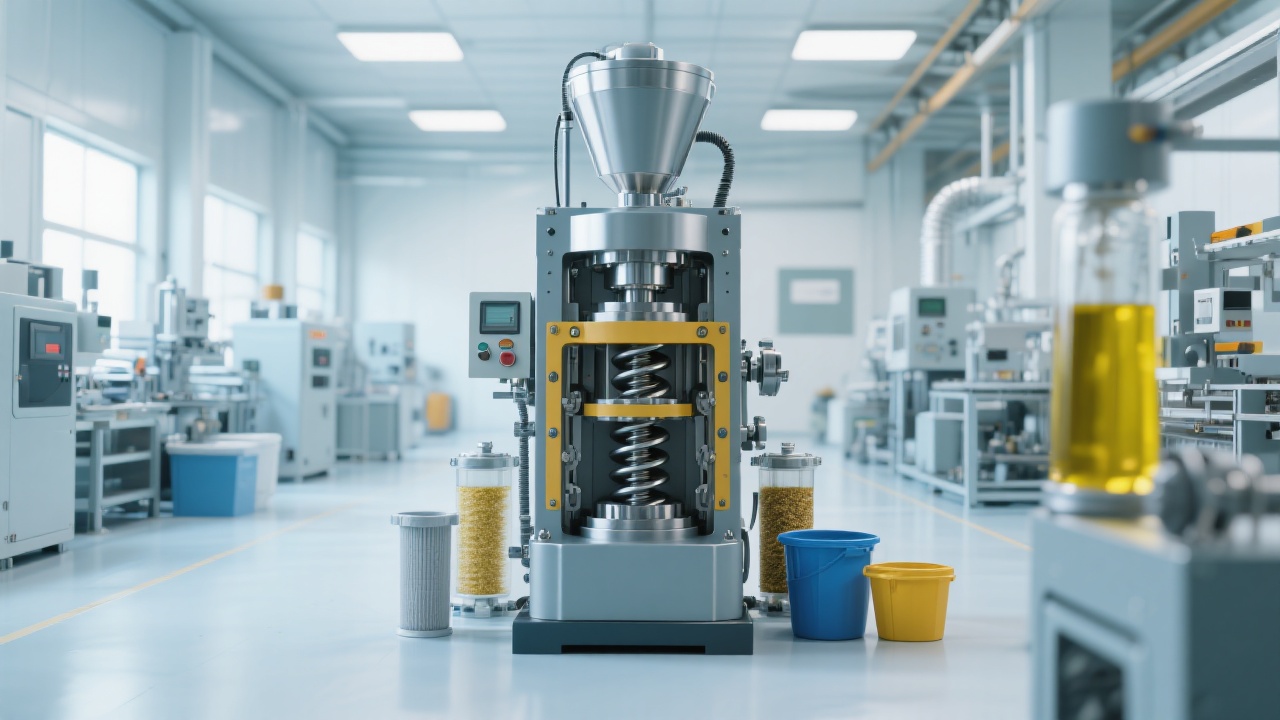
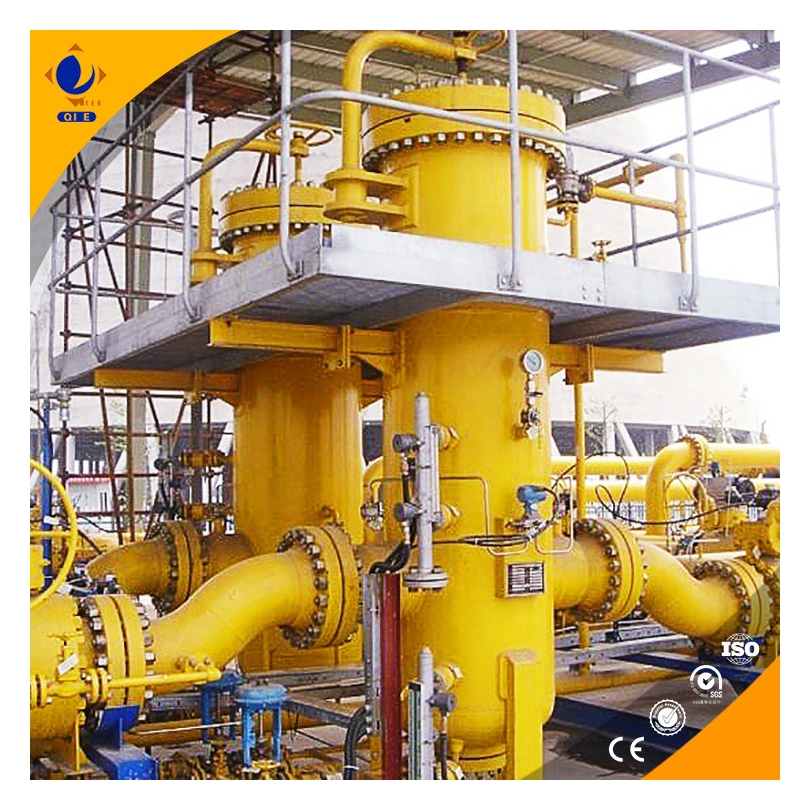
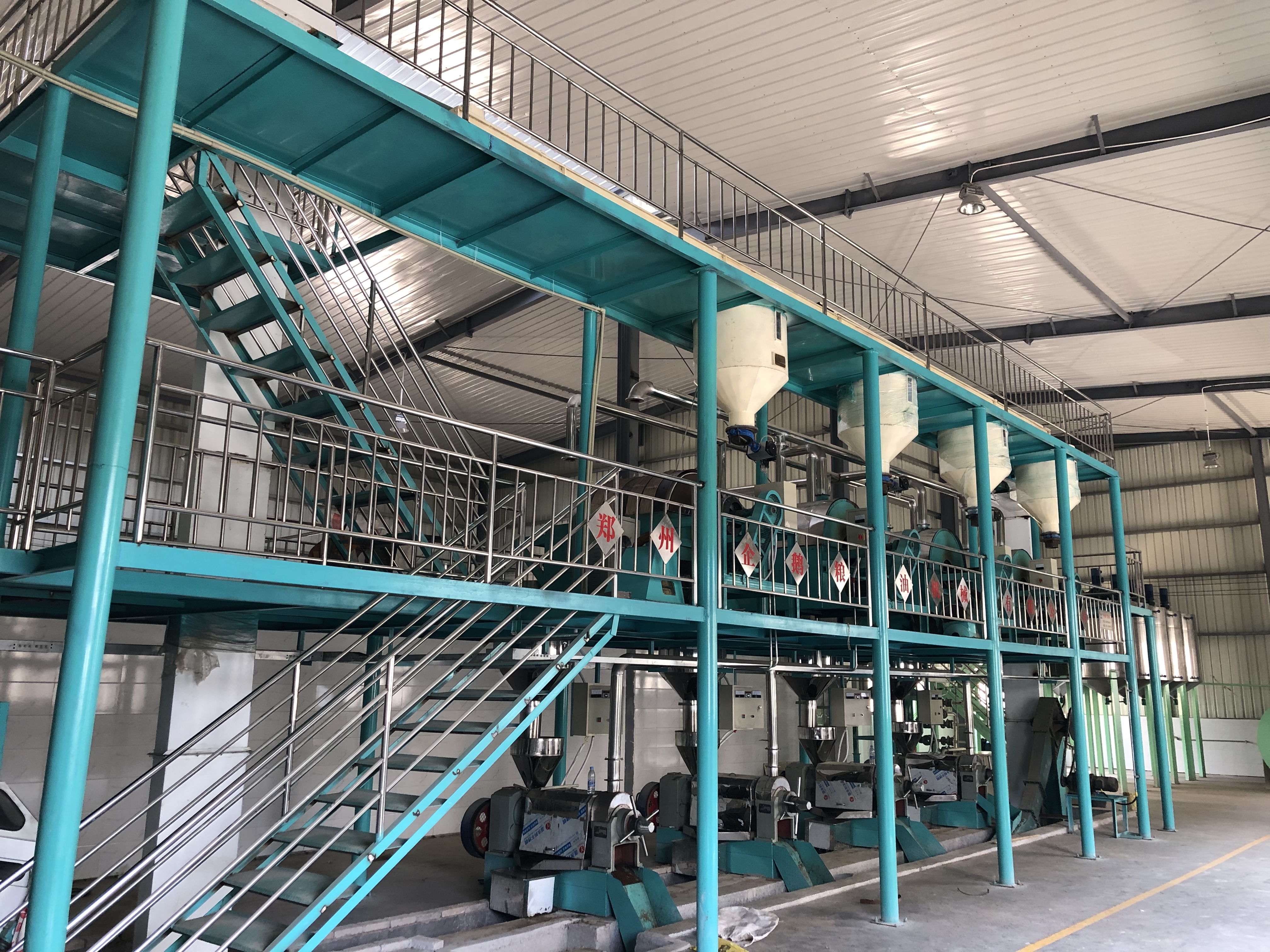
There are significant differences between industrial - grade and household sesame oil - making machines in the degumming process. Industrial machines typically have higher processing capacities and can be more precisely controlled. For example, industrial equipment can handle large - scale degumming operations, with capacities ranging from several hundred liters to several thousand liters per batch. In contrast, household machines are designed for smaller - scale production, usually with a capacity of less than 10 liters per batch.
Industrial machines often have more advanced degumming modules. Equipment with efficient degumming modules can significantly reduce manual intervention, improving production efficiency and consistency. On the other hand, household machines may require more hands - on operation, but they offer flexibility for home - based producers.
Temperature, time, and pH value are crucial parameters that affect degumming efficiency. Generally, a temperature range of 60 - 80°C is optimal for most degumming processes. Higher temperatures can accelerate the reaction between water and phosphatides, promoting better separation. However, excessive temperatures may cause oxidation of the oil, affecting its quality.
The optimal degumming time is usually between 30 - 60 minutes, depending on factors such as the type of sesame oil and the degumming method used. The pH value also plays a key role. A slightly acidic environment (pH around 4 - 6) can enhance the precipitation of phosphatides.
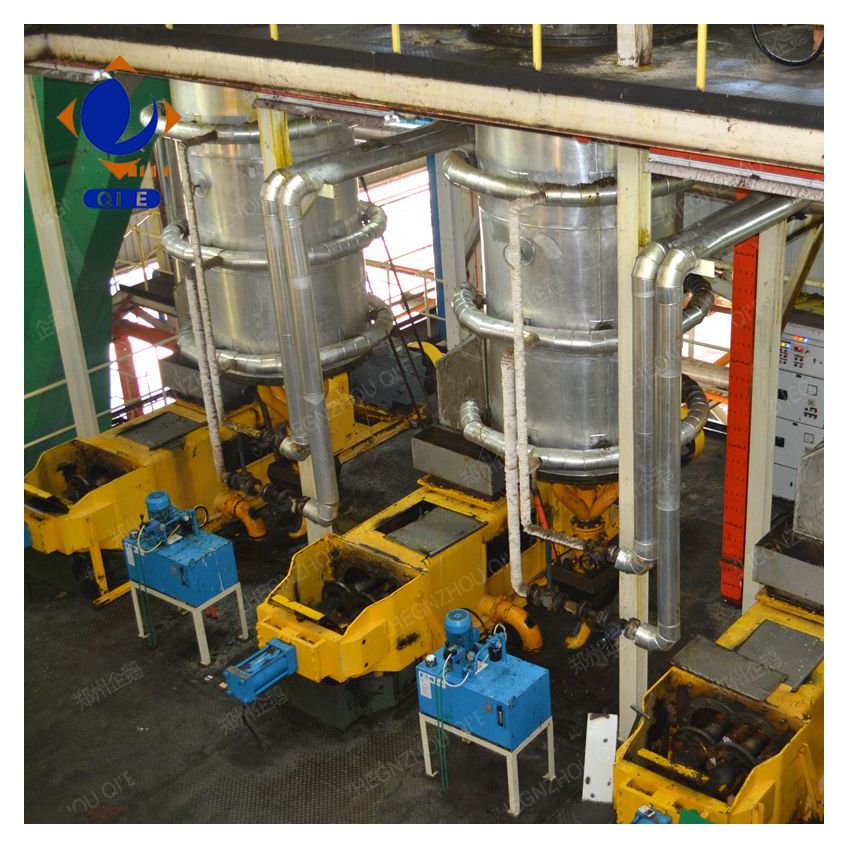
Physical degumming methods mainly rely on water or steam to hydrate phosphatides, causing them to precipitate. This method is relatively simple and environmentally friendly, but it may not be as effective in removing non - hydratable phosphatides. Chemical degumming methods, on the other hand, use chemicals such as phosphoric acid or citric acid to convert non - hydratable phosphatides into hydratable forms, achieving a higher degree of degumming. However, chemical degumming requires more complex operations and may introduce chemical residues if not properly controlled.
The choice between physical and chemical degumming methods depends on the specific requirements of the production process. For high - end sesame oil production, chemical degumming may be preferred to ensure maximum purity. For more environmentally conscious or small - scale producers, physical degumming may be a better option.
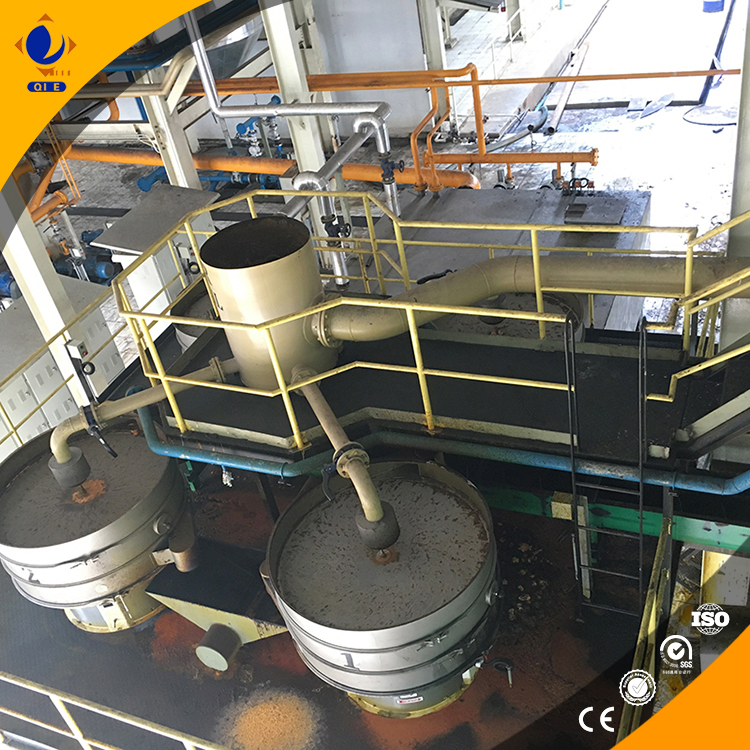
In actual production, problems such as "turbid oil" and "filter clogging" are common. Turbid oil may be caused by incomplete degumming, improper filtration, or oxidation of the oil. To address this issue, producers can review and optimize the degumming process, ensure the quality of the filtration medium, and control storage conditions.
Filter clogging may be due to the presence of large particles in the oil or the use of an inappropriate filtration medium. Producers can choose a more suitable filtration medium based on the characteristics of the oil and regularly clean or replace the filters.
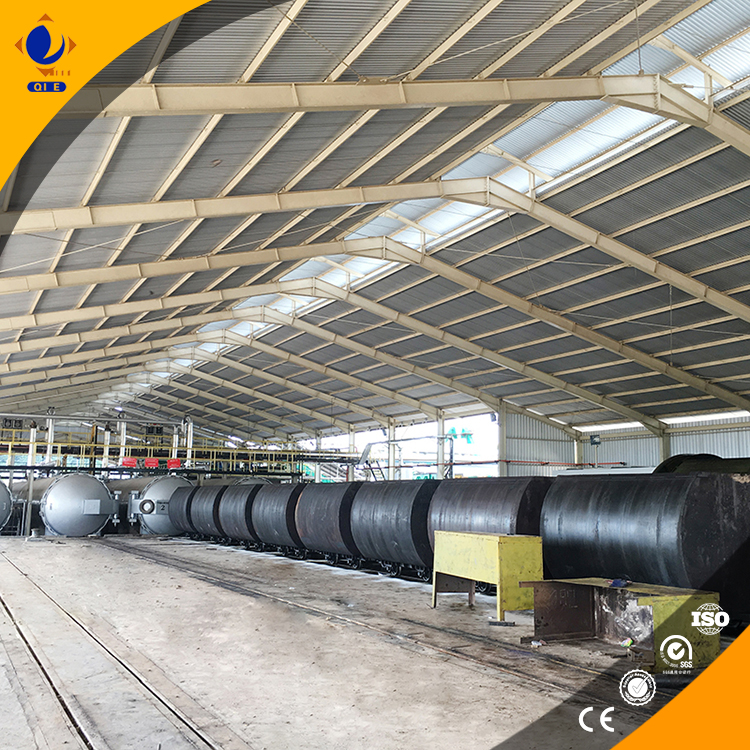
Proper degumming and filtration not only improve the clarity of the oil but also extend its shelf life. In subsequent refining processes, degummed oil requires less chemical treatment, reducing production costs and environmental impact. On the market, high - purity sesame oil has a stronger appeal to consumers, enhancing the competitiveness of products. Leading manufacturers have witnessed an increase in customer satisfaction and market share after optimizing their degumming and filtration processes.
Upgrade Your Sesame Oil Degumming and Filtration Process Now!
 105
|
105
|
 Sesame oil formula
Natural skincare oil
Food flavoring oil
Unsaturated fatty acids
Antioxidant stability testing
Sesame oil formula
Natural skincare oil
Food flavoring oil
Unsaturated fatty acids
Antioxidant stability testing
 50
|
Environmentally-friendly peanut oil extractor
Medium-sized pressing equipment
High-efficiency peanut oil production
Peanut oil equipment for Africa
Agricultural machinery for Europe
50
|
Environmentally-friendly peanut oil extractor
Medium-sized pressing equipment
High-efficiency peanut oil production
Peanut oil equipment for Africa
Agricultural machinery for Europe
 55
|
Sesame oil nutritional value
Overseas consumer research
Sesame oil market trends
Health care product application
Sesame oil press machine
55
|
Sesame oil nutritional value
Overseas consumer research
Sesame oil market trends
Health care product application
Sesame oil press machine
 450
|
hot pressed vs cold pressed peanut oil process
key points in peanut oil production
peanut oil cake reuse for sustainability
450
|
hot pressed vs cold pressed peanut oil process
key points in peanut oil production
peanut oil cake reuse for sustainability
 204
|
small sesame oil press machine
cold-pressed sesame oil equipment
home sesame oil extractor
sesame oil machine maintenance
sesame oil press troubleshooting
204
|
small sesame oil press machine
cold-pressed sesame oil equipment
home sesame oil extractor
sesame oil machine maintenance
sesame oil press troubleshooting





.jpg?x-oss-process=image/resize,m_fill,h_300,w_300/format,webp)


.jpg?x-oss-process=image/resize,m_fill,h_400,w_400/format,webp)