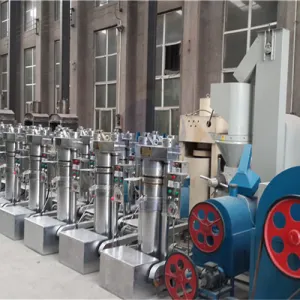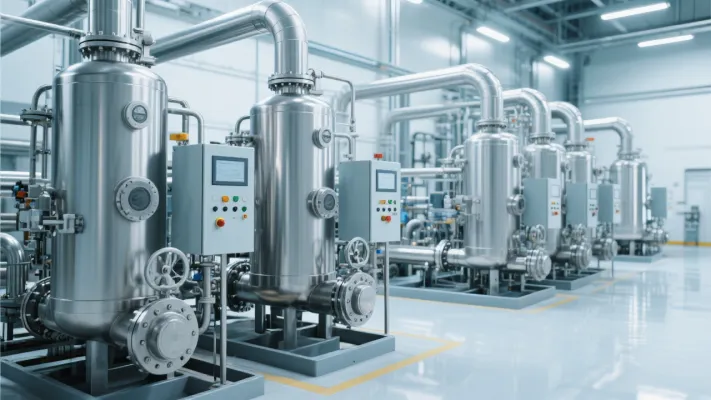
Choosing the right sesame oil extraction method—cold press or hot press—is critical for balancing yield, quality, and operational efficiency in both small-scale and industrial production. This guide breaks down key differences in temperature control, nutrient retention, flavor profile, and application suitability based on real-world data from food processing facilities worldwide.
While both methods use mechanical presses, the core distinction lies in thermal treatment:
| Feature | Cold Press | Hot Press |
|---|---|---|
| Ideal Temp Range | ≤40°C (104°F) | ≥80°C (176°F) |
| Extraction Time | ~2–3 hours per batch | ~1–1.5 hours per batch |
| Yield Efficiency | ~70–75% | ~85–90% |
According to the International Journal of Food Engineering (2022), cold-pressed sesame oil retains up to 20% more vitamin E and 15% higher levels of polyunsaturated fatty acids compared to hot-pressed versions—making it ideal for premium food and nutraceutical applications.
Food manufacturers often prioritize aroma and health benefits—cold-pressed oils are preferred for gourmet cooking, salad dressings, and baby food. In contrast, cosmetics and industrial sectors may favor hot-pressed oil due to its lower cost-per-liter and consistent viscosity for emulsions.
A 2023 survey by Global Sourcing Insights found that 68% of European B2B buyers sourcing sesame oil for skincare products specifically requested cold-pressed variants—even at a 15–20% price premium—to ensure natural ingredient integrity.
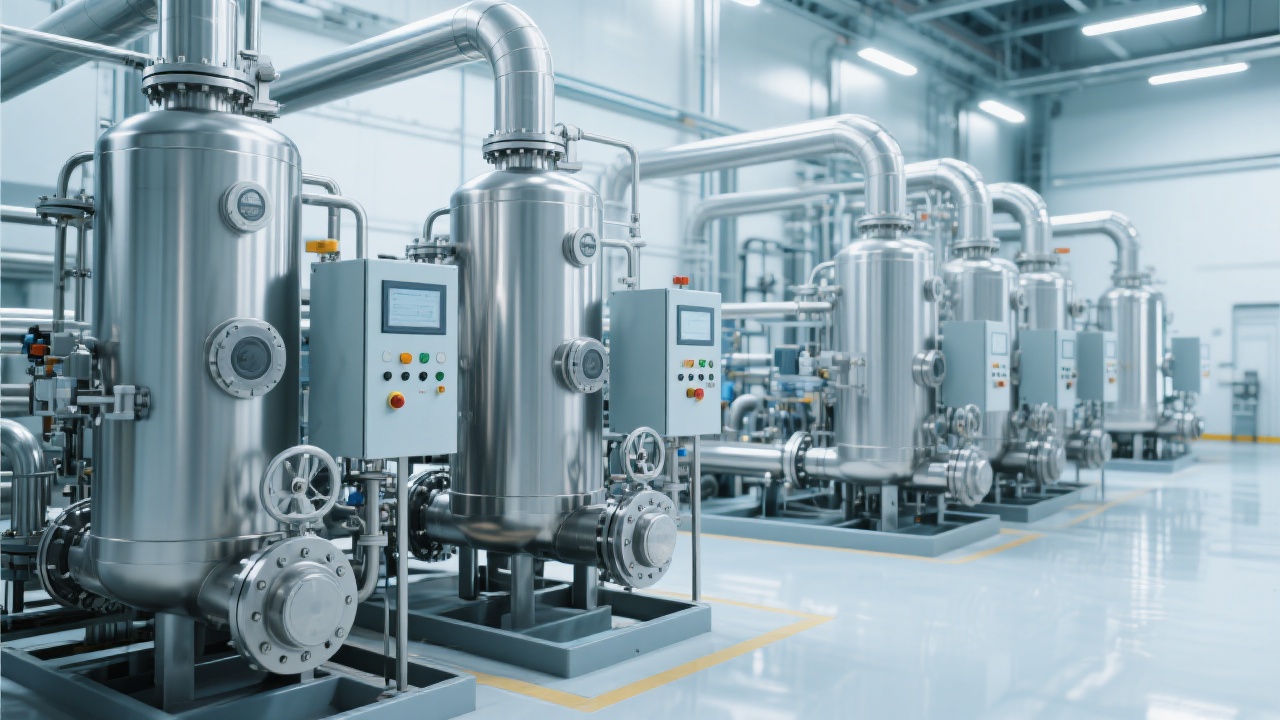
Leading OEMs now integrate automated temperature sensors and variable-speed motors into new press models. For example, one German manufacturer reported a 30% reduction in energy consumption after switching to an IoT-enabled cold press system with real-time monitoring.
For companies scaling up, hybrid systems that allow switching between cold and hot modes offer flexibility without investing in two separate machines—a growing trend among mid-sized producers in India and Vietnam.
If you're evaluating your current setup—or planning to scale—consider how your production volume impacts your choice:
Whether you’re optimizing existing lines or building a new facility, understanding these technical nuances helps avoid costly missteps—and unlocks higher margins through better product positioning.
Discover the Right Sesame Oil Press for Your Production Scale