Selecting a sesame oil cold press machine means balancing oil quality, practical throughput and operating cost—not simply comparing purchase prices. For small and medium-scale processors, the right choice depends on the sesame seed supply, the intended oil characteristics and the equipment needed before and after pressing.
Qi'e Grain and Oil Machinery Co., Ltd. supports equipment selection, production line design, installation and technical service. Use the criteria below to define your requirements and compare standalone sesame oil presses with more complete production line configurations.
Cold pressing describes processing conditions; hydraulic and screw pressing describe mechanical methods. A hydraulic press is not automatically a cold press, and a screw press should not be assessed on its mechanism alone. Seed preparation, friction, operating settings and measured temperatures all matter.
| Option | What it describes | What to verify |
|---|---|---|
| Cold pressing | Oil extraction under controlled low-temperature conditions. | Seed preparation, temperature measurement points and operating temperatures during sustained production. |
| Hydraulic pressing | Pressure applied hydraulically to extract sesame oil. | Loading, pressing and unloading time, labor requirements and output over a complete working cycle. |
| Screw pressing | A rotating screw compresses seeds, producing oil and sesame cake. | Feed consistency, friction-generated heat, adjustment requirements and sustained throughput. |
| Hot pressing | Sesame seeds are heated before extraction. | Whether the preparation method suits the intended aroma, product positioning and oil recovery target. |
Cold pressing can help retain sesame oil's natural flavor and heat-sensitive components, but it does not by itself establish finished-oil quality. Raw material quality, handling, filtration and storage also influence the result.
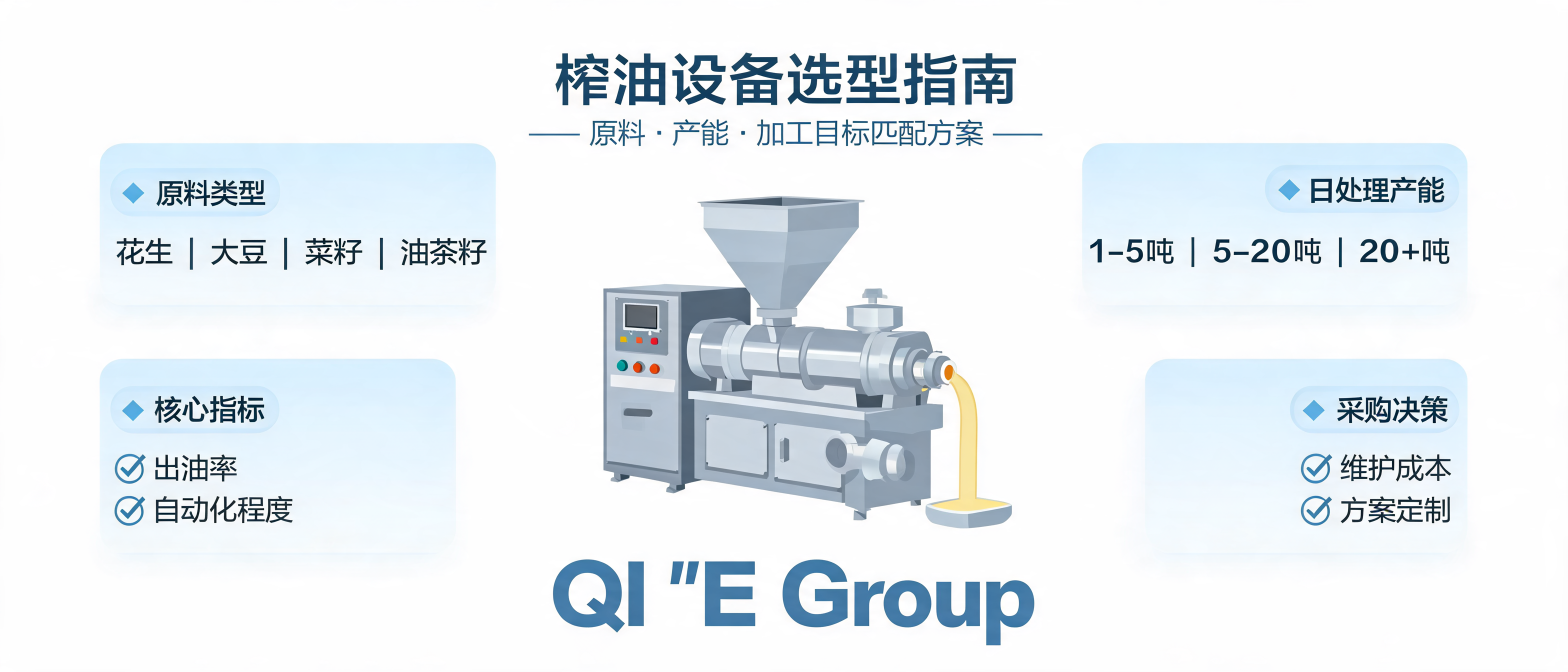
Compare sesame oil extraction equipment using equivalent feedstock and operating conditions. A short demonstration or an isolated capacity figure is not enough to establish expected daily production.
Ask where temperature is measured and how it changes after the machine reaches stable operation. Review seed inlet conditions, pressing conditions and oil outlet temperature alongside the intended flavor profile. Confirm any cold-pressed labeling requirements in the destination market rather than assuming a universal temperature limit.
Record seed input, collected oil, cake output and filtration losses over the same test period. Distinguish crude oil leaving the press from filtered oil available for subsequent handling. If oil recovery is a key purchasing criterion, request residual-oil testing of the sesame cake using an agreed method.
Comparable oil yield: collected oil mass ÷ sesame seed input mass × 100%. State whether the collected oil is crude or filtered. This yield is not the same as the percentage of the seed's total oil content recovered.
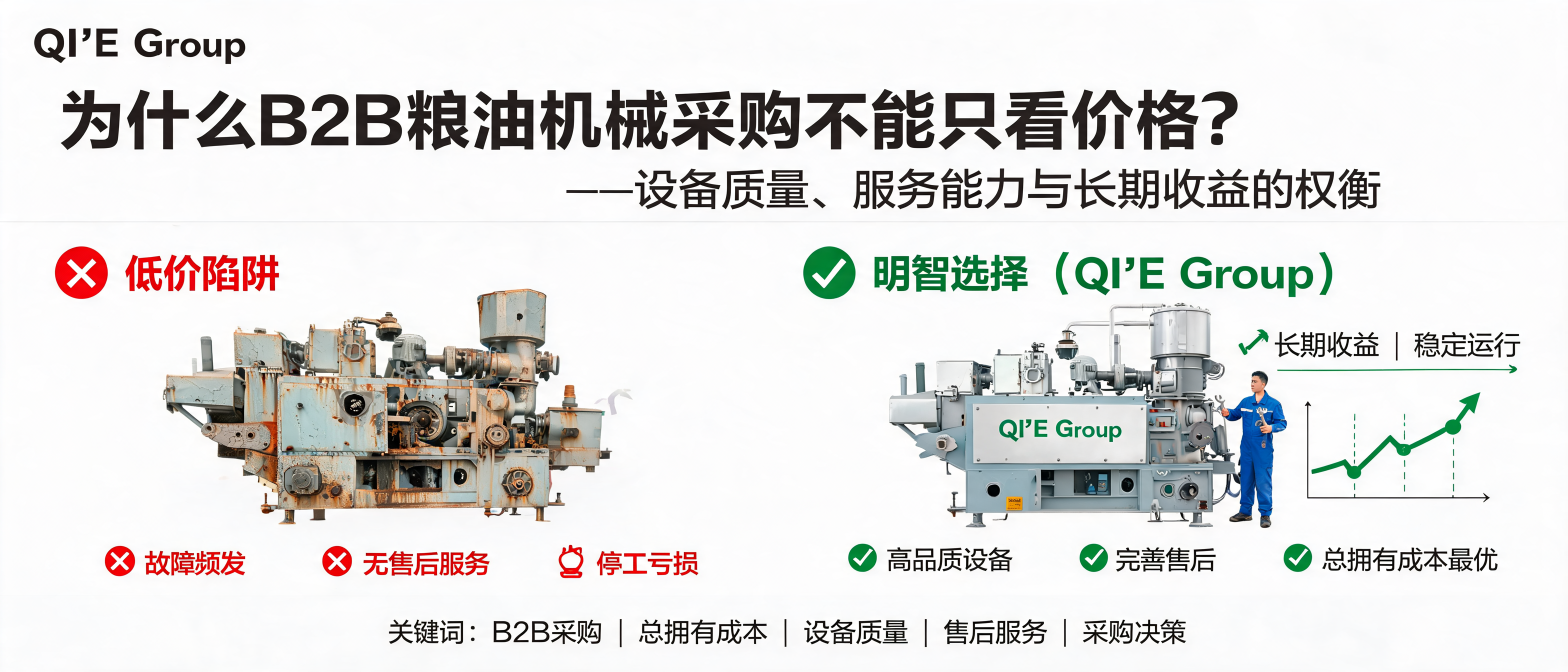
There is no single price that represents every sesame oil cold press configuration. A useful quotation must identify the model, required throughput, construction materials, automation level and supply scope. Compare prices only after these requirements are aligned.
For the same evaluation period, consider equipment and installation costs together with electricity, labor, consumables, wear parts, maintenance and downtime. Oil losses and filtration losses also affect production economics. Any projected value from sesame cake should reflect its actual quality, permitted uses and local market demand.
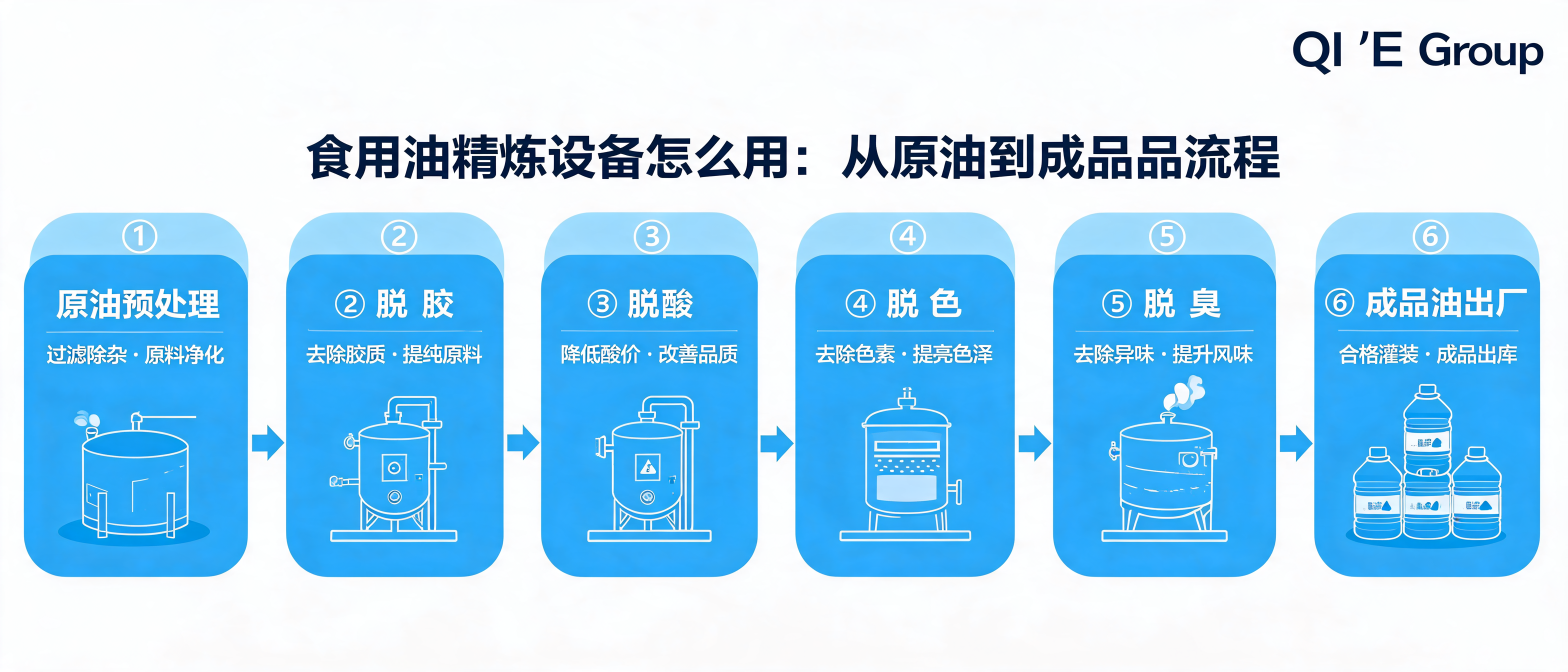
A standalone sesame oil press may suit a processor that already has seed preparation and oil filtration equipment. A coordinated line is worth evaluating when material handling, process balance and daily production requirements need to be planned together.
Line capacity is limited by its bottleneck. Increasing press capacity alone will not increase finished-oil output if seed preparation, filtration or handling cannot keep pace.
No. Hydraulic and screw presses should be evaluated against the same oil-quality, temperature, throughput and labor requirements. The mechanism alone does not establish which machine is better for a particular operation.
Not necessarily. Automation can reduce specific manual tasks, but seed supply, process checks, cleaning and maintenance still need to be addressed. Request a clear description of automated functions and expected operator duties.
It should not be treated as a universal result. Seed condition, operating settings, the selected process and working hours affect output. Ask for the conditions behind the capacity figure and, where practical, evaluate representative seed samples.
For a relevant sesame oil machine quotation, provide your target seed throughput, operating hours per day, intended oil characteristics, seed condition, site location, electrical supply and existing equipment. Specify whether you need a standalone press or a line including preparation, filtration and installation support.
Qi'e can use these requirements to discuss equipment selection and production line scope. Explore the cold press oil machine options as a starting point, then confirm model-specific performance, inclusions and service terms in the project quotation.

 240
|
 Qieji Group grain and oil machinery solution integrated production line oil pressing equipment edible oil refining
 319
|
Qi'e Grain and Oil Machinery complete grain and oil machinery solutions oil processing production line oil pressing equipment edible oil refining equipment
484
|
Qi'e Grain and Oil Machinery cold press oil machine oil pressing equipment solvent extraction machine vegetable oil processing equipment
 400
|
Qi'e Grain and Oil Machinery Co., Ltd. edible oil production line equipment vegetable oil processing flow oilseed pretreatment equipment edible oil refining equipment
417
|
Qi'e Grain and Oil Machinery Co., Ltd. edible oil production line equipment oilseed pretreatment oil pressing equipment vegetable oil refining