Selecting a sesame oil milling machine means matching the pressing method to the oil you intend to sell, the volume you need to process and the resources available at your site. For cold-pressed sesame oil, extraction efficiency must be evaluated alongside temperature control, flavor preservation, filtration and operating costs—not simply the machine’s advertised capacity.
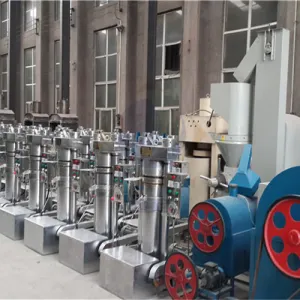
Qi'e Grain and Oil Machinery Co., Ltd. supplies oil pressing equipment and related production line solutions, with design, installation and technical services. The following selection framework helps workshops, small commercial mills and larger processing projects assess sesame oil cold press performance and investment requirements.
Cold pressing extracts oil under relatively low-temperature conditions to help retain sesame oil’s natural flavor and heat-sensitive components. However, a cold press designation alone does not establish the temperature reached during production or guarantee a particular oil yield. Seed condition, preparation, pressing settings and heat generated during operation all influence the result.
Evaluate performance as a complete process: compare seed throughput, collected oil, operating temperature, energy consumption and finished-oil quality under the same test conditions. A higher seed-processing rate does not necessarily mean more saleable oil.
Cold pressing and hot pressing describe processing approaches; hydraulic and screw pressing describe extraction mechanisms. These categories should not be treated as interchangeable. Confirm how each proposed machine handles sesame seeds and what preparation it requires.
| Approach or mechanism | Processing characteristics | Selection questions |
|---|---|---|
| Cold pressing | Low-temperature extraction intended to help preserve natural flavor and heat-sensitive components. | What temperatures and oil recovery are achieved with your sesame seeds at the intended throughput? |
| Hot pressing | Seeds are heated before pressing. This can improve extraction but changes the thermal treatment and may affect oil characteristics. | Does the preparation process match your intended flavor profile and product positioning? |
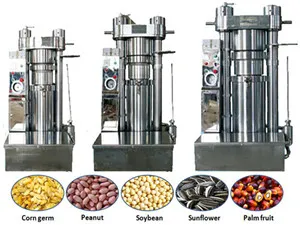
| Hydraulic pressing | Uses hydraulic pressure to extract oil and can support relatively low-heat processing. | What are the loading requirements, pressing cycle, labor needs and achievable daily output? |
| Screw pressing | Uses a rotating screw to compress sesame seeds, producing oil and press cake. | How are feeding, pressing conditions and temperature managed during extended operation? |
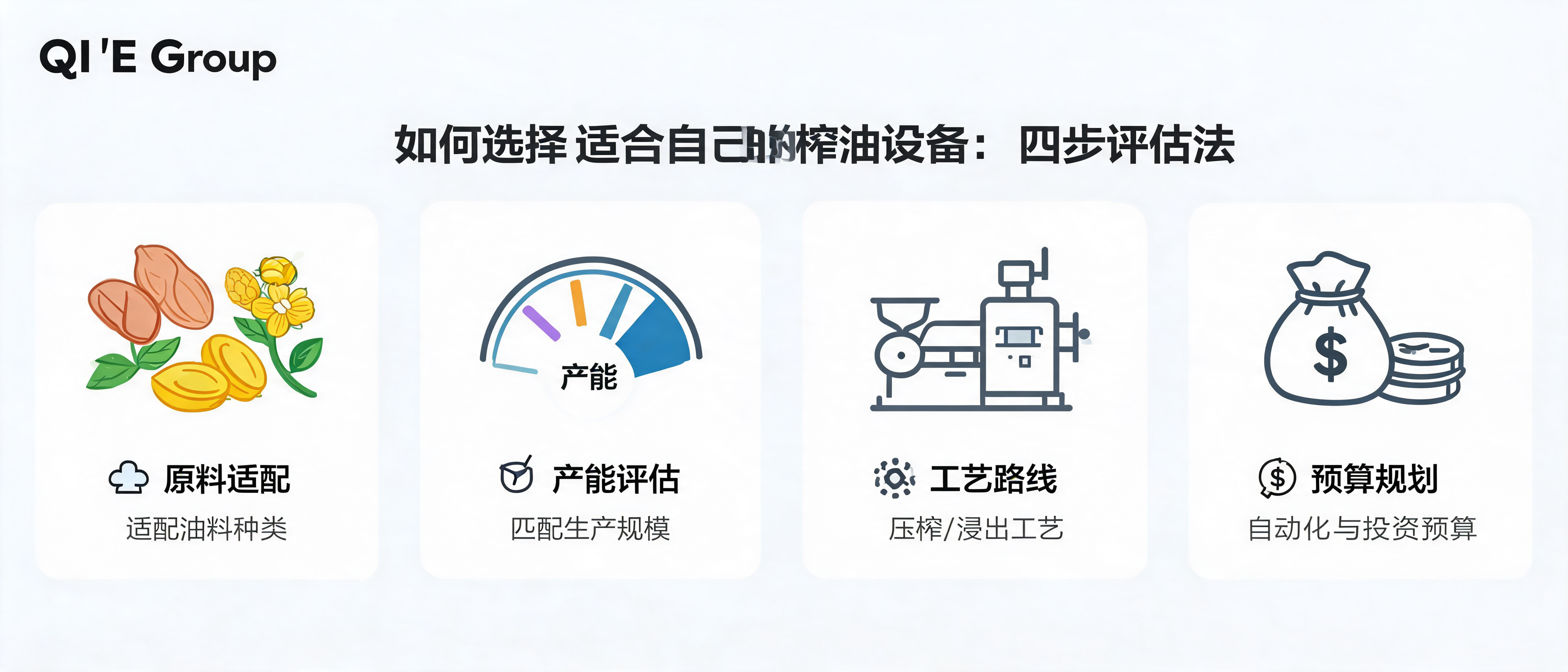
Capacity varies by machine model and processing conditions. Start with the amount of sesame seed you expect to process per day, then define working hours, cleaning time and downstream handling requirements. Seed input capacity and finished-oil output are different measurements.
Prioritize manageable loading, straightforward cleaning, suitable floor space and an operating process your team can maintain consistently. Assess whether manual, semi-automatic or automatic operation fits the available labor and production schedule.
Balance pressing capacity with seed preparation, filtration and storage. Automation may reduce manual handling, but its value depends on the tasks included in the supplied configuration and the actual staffing arrangement.
Evaluate the full production line rather than an isolated press. Check operating hours, material flow, utility requirements, maintenance access and the ability of filtration and storage equipment to accommodate planned output. Discuss expansion requirements during layout planning.
A sesame oil milling machine price is meaningful only when its configuration and supply scope are clear. No fixed price is specified here; a project quotation should identify the selected model, capacity basis, automation level and included equipment.
Compare like-for-like quotations. Confirm whether quoted capacity refers to seed input per hour or per day, and identify the assumed working hours and seed conditions. Investment returns should be calculated using verified local costs, realistic oil recovery and achievable sales—not machine capacity alone.
Interest in natural oils, specialty edible oils, energy-conscious production and food hygiene provides useful context for equipment planning. These considerations do not establish demand or profitability in a particular market; buyers should validate customer preferences, sales channels and applicable requirements locally.
Mechanical pressing produces sesame cake as a by-product. Its potential use, including animal feed applications, should be assessed against material quality, local requirements and buyer acceptance rather than treated as guaranteed additional revenue.
To discuss a suitable sesame oil pressing configuration with Qi'e, provide the following project information:
These details provide a practical basis for equipment selection, a defined quotation and a realistic discussion of capacity, operating costs and technical support.

 226
|
 Qi'e Grain and Oil Machinery Co., Ltd. integrated grain and oil machinery solutions oil processing solutions oil pressing equipment edible oil refining equipment
 483
|
Qi'e Group grain and oil machinery solutions oil production line equipment edible oil refining equipment engineering design and installation
 245
|
Qi'e Grain and Oil Machinery Co., Ltd. sesame oil press machine edible oil processing equipment oil production line equipment edible oil refining equipment
 337
|
Qi'e Grain and Oil Machinery Co., Ltd. sesame oil cold press machine price cold press equipment performance evaluation sesame oil production line configuration total cost of ownership
 93
|
Qi'e Grain and Oil Machinery Co., Ltd. edible oil processing line equipment oil press equipment selection oilseed processing technology edible oil refining equipment