Selecting a sesame oil cold press machine requires more than comparing initial equipment prices. The right configuration should match the intended production scale, sesame seed condition, extraction method, temperature-management expectations, labor availability, sanitation requirements, and long-term operating plan. Qi'e Group supports sesame oil processors with oil pressing equipment and production-line solutions designed for practical evaluation from small workshops to commercial and mid-scale facilities.
A sesame oil cold press machine extracts oil from sesame seeds through mechanical pressing while seeking to limit excessive heat during processing. This approach is commonly considered by producers who want to retain the characteristic aroma, flavor, and naturally occurring components associated with sesame oil.
Cold pressing is one option within sesame oil milling. Depending on the processing objective, a facility may also evaluate hydraulic presses, screw press machines, or hot pressing processes. Each method should be assessed according to the desired product profile, throughput, operating routine, and downstream filtration needs.
Capacity is a central selection factor, but it should be reviewed alongside operating hours, batch arrangement, seed supply consistency, storage, and the planned sales volume of finished oil. A machine that is too small can create bottlenecks; an oversized configuration can add unnecessary investment, energy use, and maintenance demands.
| Production Context | Typical Selection Focus | Planning Considerations |
|---|---|---|
| Small workshop or startup operation | Compact footprint, straightforward operation, manageable cleaning and maintenance. | Confirm daily processing targets, available utilities, operator training, and room for future additions. |
| Commercial oil production | Stable feed rate, repeatable pressing conditions, suitable filtration, and reduced manual handling. | Review production scheduling, oil collection, cake handling, sanitation procedures, and labor allocation. |
| Mid-scale processing line | Equipment coordination, automation level, continuous material flow, and service access. | Evaluate upstream seed preparation, conveying, filtration, electrical planning, and expansion flexibility. |
Sesame oil milling equipment can vary substantially by model and configuration. Small-scale machines may process approximately 1–5 tons of sesame per day, while larger industrial systems may be designed for much higher throughput. Actual output depends on the equipment selected and operating conditions.
Seed cleanliness, moisture condition, storage quality, and preparation can influence feed consistency, pressing behavior, oil quality, and equipment cleanliness.
For cold press sesame oil production, operators should pay attention to processing conditions that may affect temperature and the intended flavor and nutritional characteristics of the oil.
Screw pressing uses a rotating screw to press seeds and produce oil and cake. Hydraulic pressing applies pressure in a different operating format. The suitable method depends on the process objective.
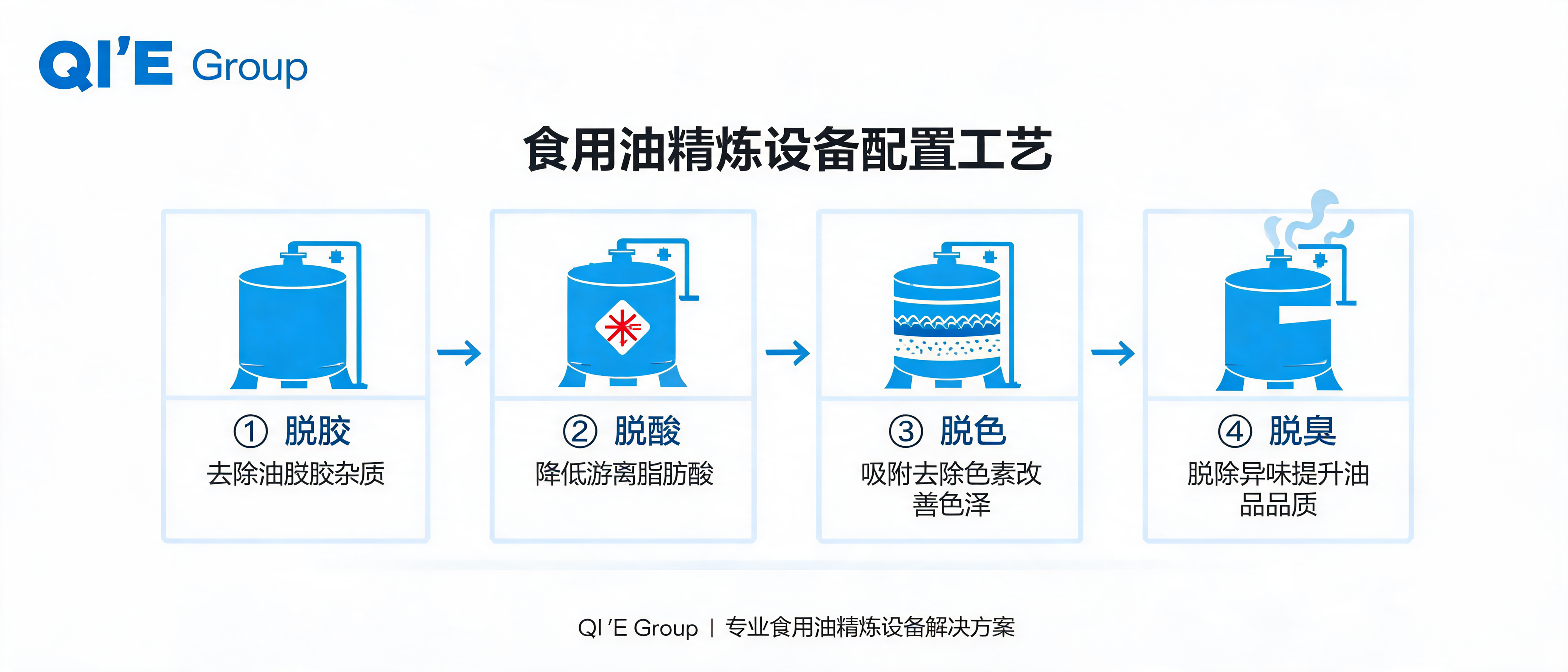
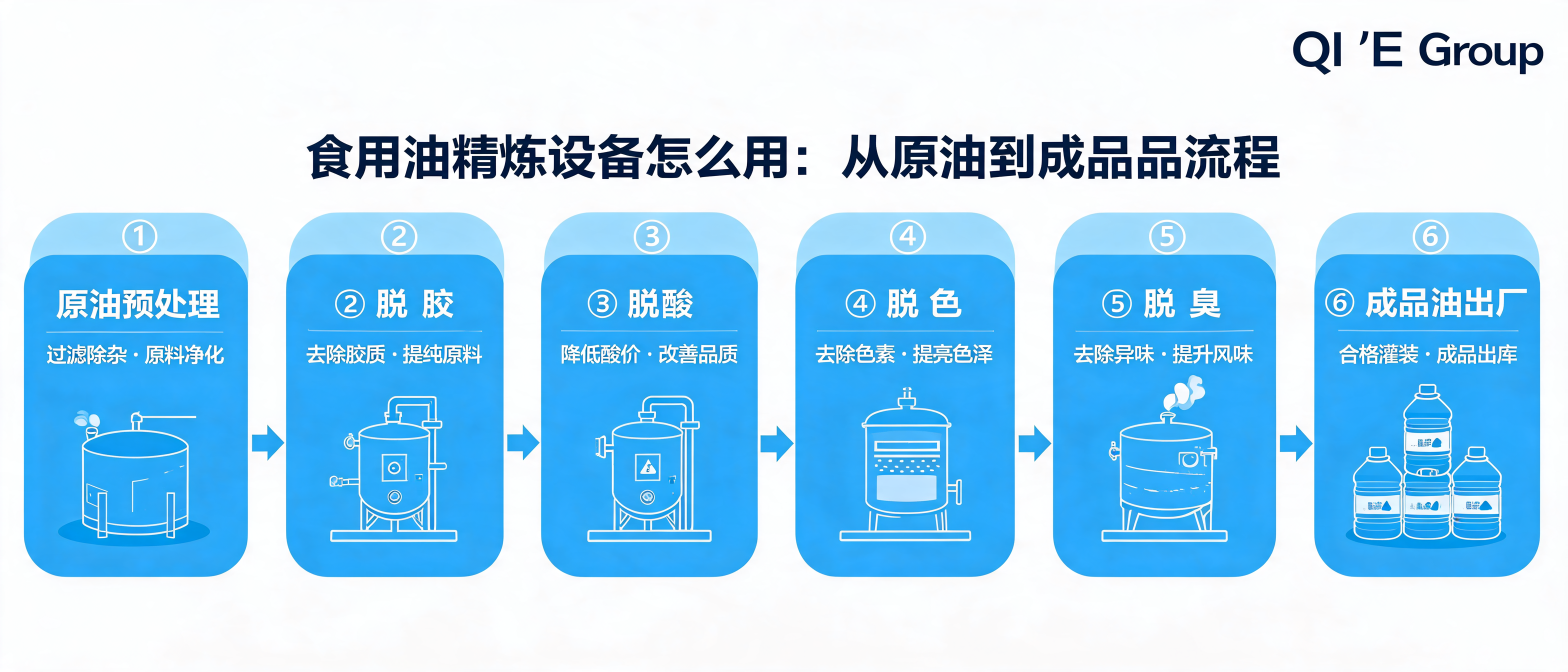
A pressing machine should be considered together with oil settling, filtration, collection, and hygienic transfer arrangements to support a controlled finished-oil process.
Semi-automatic and automatic configurations can reduce repetitive manual work. The appropriate level depends on production volume, operating skills, and the desired degree of process control.
Energy consumption, accessibility of service points, routine cleaning, and replacement-part planning affect the practical cost of operating sesame oil extraction equipment over time.
A sesame oil milling machine price comparison is useful only when the machines being compared have similar capacity, press type, materials, automation scope, and supporting equipment. A lower initial price may not represent the lower lifecycle cost if the configuration creates additional labor, energy, downtime, or maintenance needs.
Practical selection principle: assess the complete production requirement—not only press capacity or stated oil yield. Include seed preparation, temperature control, filtration, sanitation, sesame cake handling, installation conditions, operator capability, maintenance access, and expected operating duration.
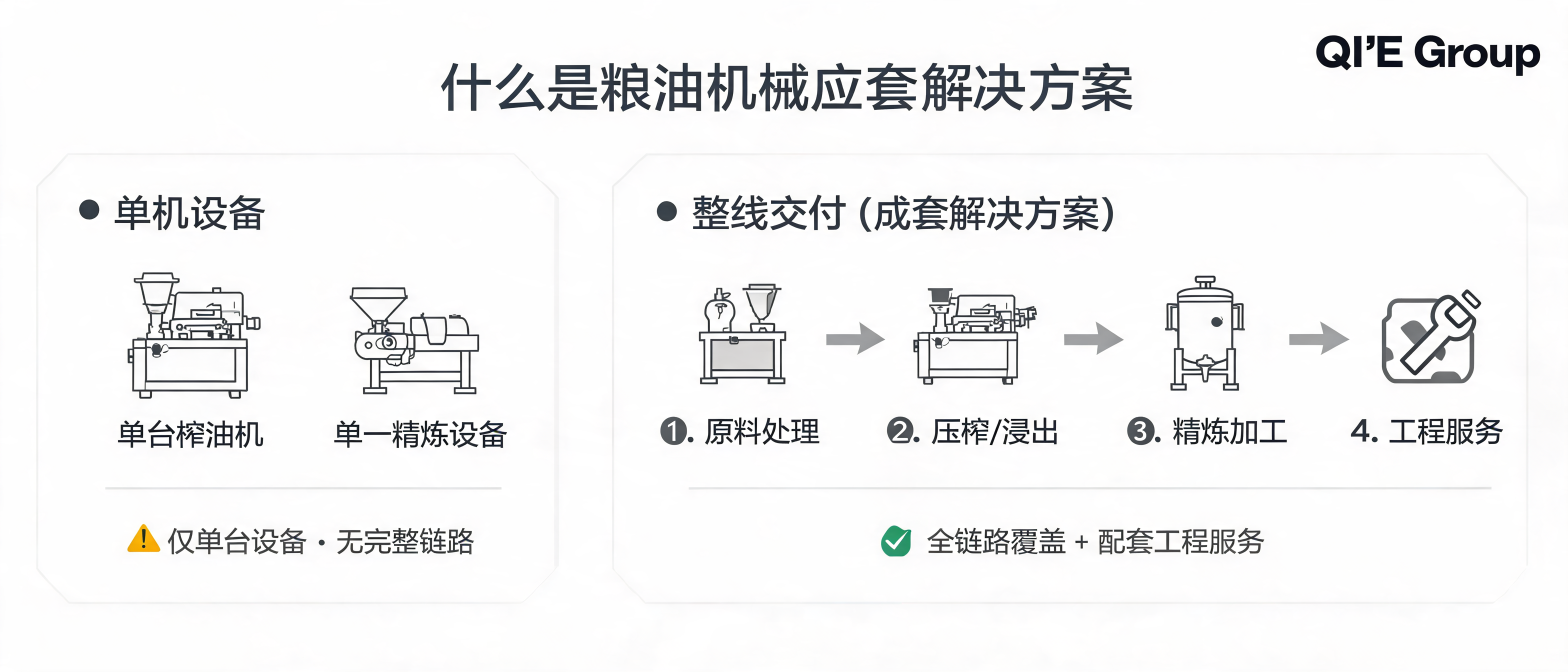
A sesame oil cold press machine performs most effectively when it is selected as part of a coordinated processing arrangement. For a standalone press or a more complete cold press sesame oil production line, the equipment should fit the facility layout, production objectives, material flow, and local operating conditions.
Qi'e Group combines oil pressing equipment, oil production line equipment, and technical service experience to help B2B processors evaluate configurations with a focus on quality, usability, and long-term operation. A well-defined requirement—covering sesame seed input, planned capacity, extraction approach, automation needs, and site conditions—creates a stronger basis for equipment selection.

 360
|

 216
|
Qi'e Grain and Oil Machinery Co., Ltd. grain and oil processing complete equipment oil pressing equipment edible oil production line edible oil refining equipment
359
|
Qi'e Grain and Oil Machinery Co., Ltd. integrated grain and oil processing solutions oil pressing equipment edible oil production line edible oil refining equipment
 222
|
Qi'e Grain and Oil Machinery Co., Ltd. grain and oil machinery export turnkey solution installation and commissioning spare parts support
 123
|
Qi'e Grain and Oil Machinery Co., Ltd. sesame oil processing equipment sesame oil press machine oil production line equipment edible oil refining equipment