In today’s competitive B2B landscape, natural ingredients like sesame oil have taken center stage—both for their rich nutritional profile and diverse utility across industries. Whether you’re a food product developer or a cosmetic formulation expert, understanding the science and strategic applications of sesame oil can unlock new opportunities to innovate and differentiate your product line.
Sesame oil is a powerhouse of unsaturated fatty acids (approximately 40-50%), predominantly oleic and linoleic acids, and is rich in potent natural antioxidants like sesamol and sesamin. This composition underpins its acclaimed ability to promote cardiovascular health, reduce inflammation, and offer skin rejuvenation benefits through free radical scavenging. Research published by the International Journal of Food Sciences (2022) confirms sesame oil’s stability under thermal processing, making it highly suitable for both culinary and cosmetic uses.
Market data from Mordor Intelligence shows a projected CAGR of 7.8% for natural plant oils in global B2B markets through 2026, driven by consumer shifts toward clean-label foods and eco-conscious cosmetics. Sesame oil, with its dual appeal in health-preserving food products and natural skincare, is emerging as a preferred raw material for manufacturers aiming at premium segments.
"Sesame oil’s antioxidant profile not only extends shelf life but also enhances the sensory qualities in baked goods and gentle skincare formulations." — Dr. Helen Park, Food Scientist and Natural Product Expert
You might wonder about the ideal incorporation levels for sesame oil in your formulations. For culinary uses such as dressings or baking enhancers, 3-7% by weight preserves flavor while maintaining oxidative stability. For natural cosmetics like hair oils or cream bases, 5-15% balances emollient properties with texture smoothness.
Stability tests are key to ensuring product quality over time. Implementing accelerated oxidation tests, including Rancimat or Schaal oven methods, can help assess heat and oxidative resistance—critical when sesame oil is exposed to varying storage or processing conditions.
Consider a leading food manufacturer in Southeast Asia that integrated 5% toasted sesame oil in their gluten-free bakery range. The company reported a 12% increase in flavor ratings and successfully positioned the range as a “premium artisanal line,” boosting export demand across Europe.
Meanwhile, a boutique natural cosmetics brand in Europe reformulated its signature night cream by replacing synthetic oils with 10% organic sesame oil as the base. Stability testing confirmed greater anti-oxidation and reduced irritation incidents during a 6-month consumer trial, enhancing brand trust and repeat purchases.
What challenges do you face when incorporating plant oils like sesame oil into your formulas? How do you evaluate oxidative stability in your projects? Share your insights to foster collective growth in this dynamic field.
If you have yet to explore sesame oil as a strategic ingredient, now is the moment. Its ability to enhance sensory appeal, extend product longevity, and meet rising consumer demands for natural solutions makes it invaluable in your B2B export portfolio. With clear formulation guidelines and robust quality assurance protocols, sesame oil can empower your product differentiation, enhance buyer confidence, and fuel higher repurchase rates.
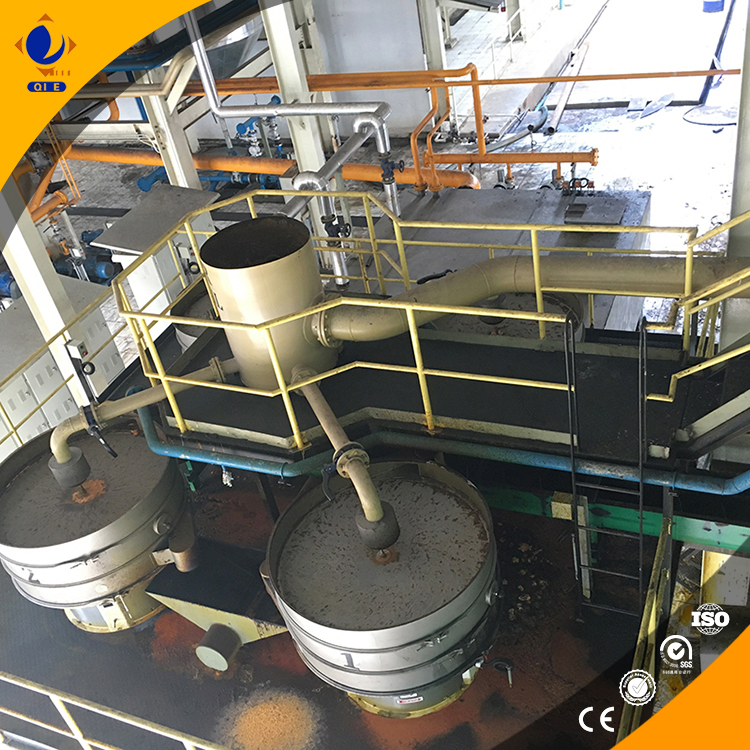
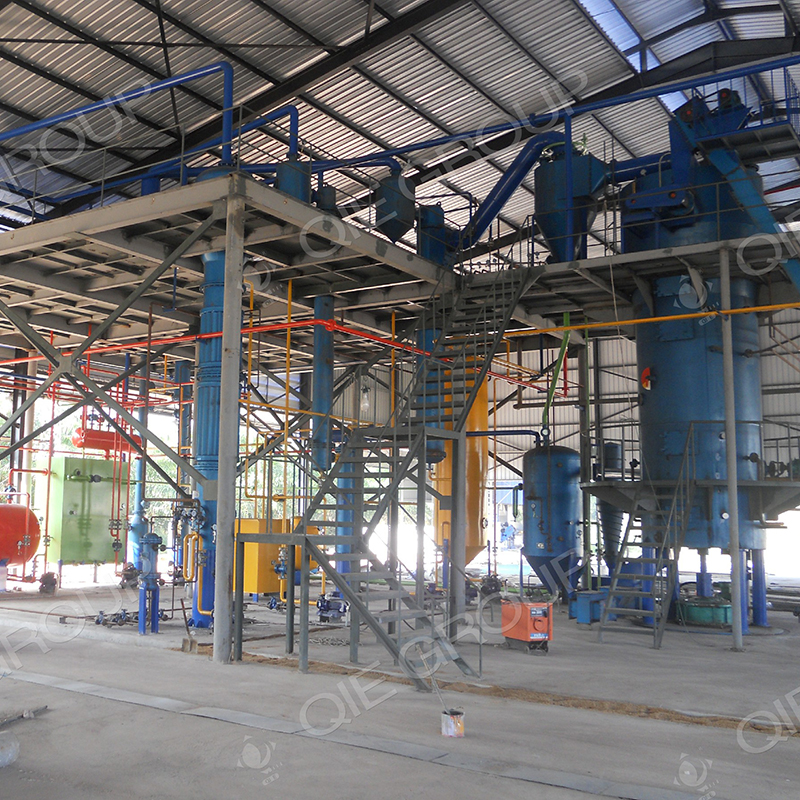
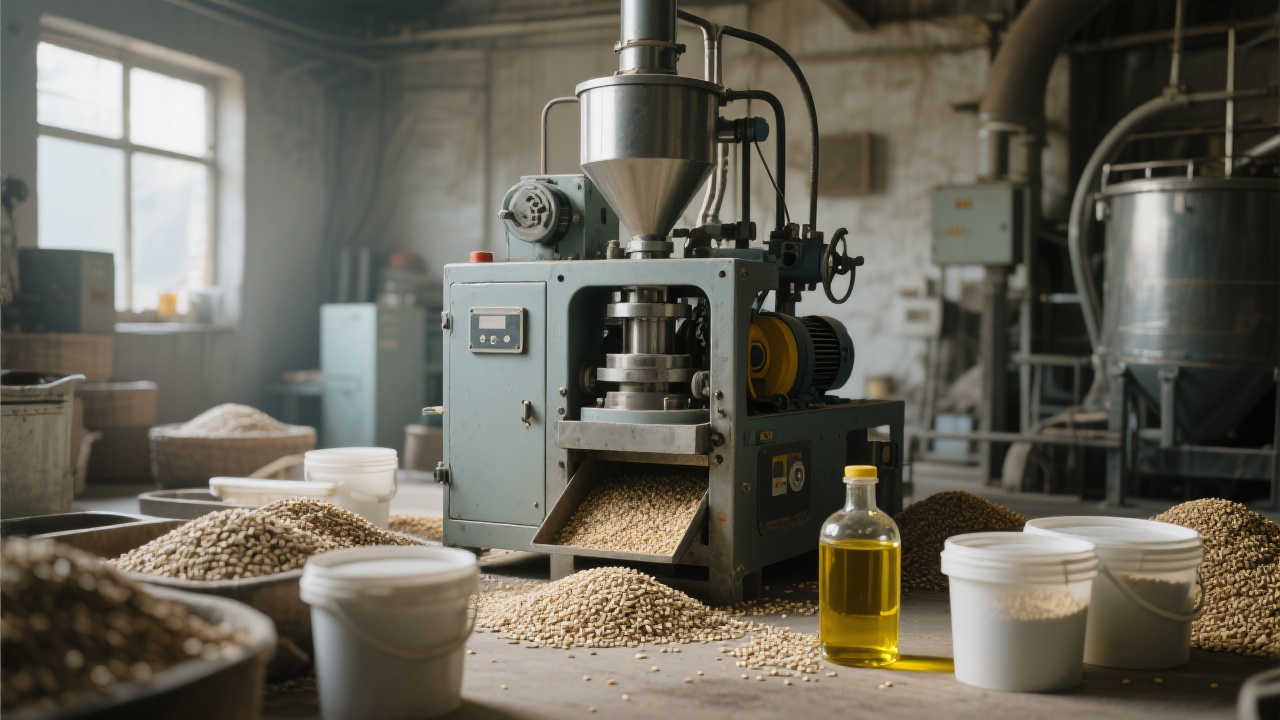
Discover Our Industrial-Grade Sesame Edible Oil Manufacturing Machines for Efficient Extraction

 251
|
251
|
 multi-functional peanut oil refining equipment
food safety compliant refining equipment for peanuts
refining equipment suitable for small oil mills
multi-functional peanut oil refining equipment
food safety compliant refining equipment for peanuts
refining equipment suitable for small oil mills
 423
|
High-Efficiency Cold Press Hydraulic Oil Press Machine
Sesame Oil Press Machine
Cold Press Oil Extraction Equipment
Low Energy Consumption Oil Press
High Yield Oil Production Machine
Nutritious Oil Processing Equipment
Flexible Scale Oil Press
QIE Group Oil Press Solutions
Small Scale Oil Production Machinery
Eco-Friendly Hydraulic Oil Press
423
|
High-Efficiency Cold Press Hydraulic Oil Press Machine
Sesame Oil Press Machine
Cold Press Oil Extraction Equipment
Low Energy Consumption Oil Press
High Yield Oil Production Machine
Nutritious Oil Processing Equipment
Flexible Scale Oil Press
QIE Group Oil Press Solutions
Small Scale Oil Production Machinery
Eco-Friendly Hydraulic Oil Press
 32
|
Sesame oil cold pressing process
Hot pressing sesame oil quality
Sesame oil press selection
Small and medium-sized enterprise oil pressing equipment
Sesame oil production process
32
|
Sesame oil cold pressing process
Hot pressing sesame oil quality
Sesame oil press selection
Small and medium-sized enterprise oil pressing equipment
Sesame oil production process
 408
|
peanut oil production process
hot-pressed vs cold-pressed peanut oil differences
peanut oil extraction techniques
408
|
peanut oil production process
hot-pressed vs cold-pressed peanut oil differences
peanut oil extraction techniques
 404
|
Sesame Cooking Oil Making Machine
Sesame Oil Press Machine
Cold-Pressed Sesame Oil Machine
Industrial Sesame Oil Extraction System
Small-Scale Sesame Oil Production
Medium-Scale Sesame Oil Making Machines
Sesame Seed Oil Extraction Equipment
Cost-Effective Oil Press Machines
Versatile Oil Extraction Machines
404
|
Sesame Cooking Oil Making Machine
Sesame Oil Press Machine
Cold-Pressed Sesame Oil Machine
Industrial Sesame Oil Extraction System
Small-Scale Sesame Oil Production
Medium-Scale Sesame Oil Making Machines
Sesame Seed Oil Extraction Equipment
Cost-Effective Oil Press Machines
Versatile Oil Extraction Machines






.jpg?x-oss-process=image/resize,m_fill,h_300,w_300/format,webp)

.jpg?x-oss-process=image/resize,m_fill,h_400,w_400/format,webp)