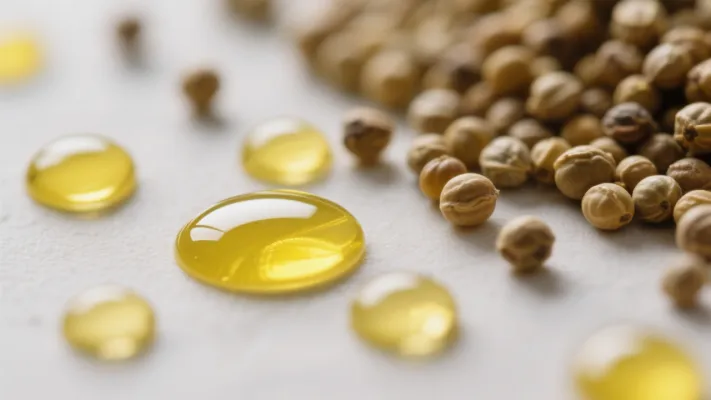
Sesame oil is rich in essential nutrients such as linolenic acid and tocopherols. Linolenic acid, an unsaturated fatty acid, can penetrate the skin's stratum corneum, enhancing the skin's moisture - retaining ability. Tocopherols, on the other hand, act as powerful antioxidants. They neutralize free radicals in the skin, preventing oxidative damage to skin cells and delaying skin aging. According to industry research, products containing sesame oil can reduce the production of skin - aging markers by up to 30% compared to products without it.
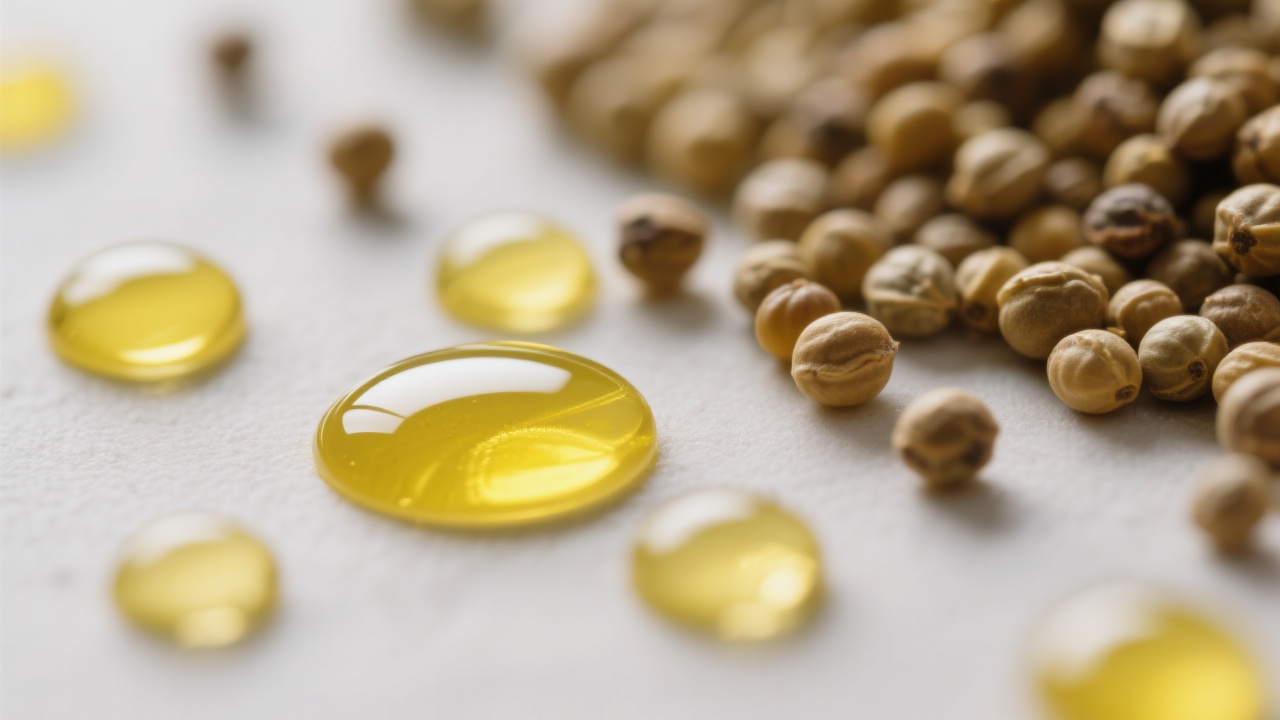
In recent years, there has been a significant increase in consumers' preference for natural vegetable oils in the skincare market. A market survey shows that the demand for natural skincare products has grown by 25% annually over the past three years. This trend is driven by several factors. Firstly, consumers are becoming more health - conscious and are wary of synthetic chemicals in skincare products. Secondly, the rise of social media has increased awareness of the benefits of natural ingredients. Finally, regulatory bodies are also promoting the use of natural ingredients in cosmetics, which has further fueled the market growth.
Sesame oil can be used in various skincare products such as hair oils, creams, and lotions. Here is a table showing the recommended addition ratios in different application scenarios:
| Product Type | Recommended Addition Ratio |
|---|---|
| Hair Oil | 3% - 10% |
| Cream | 0.5% - 5% |
| Lotion | 1% - 3% |

To ensure the long - term effectiveness of the formulation, stability testing is crucial. Accelerated aging experiments can simulate the aging process of the product under harsh conditions, such as high temperature and humidity. By monitoring changes in the product's physical and chemical properties, such as color, texture, and pH value, manufacturers can predict the product's shelf life. pH value monitoring is also an important method. The optimal pH range for most skincare products is between 5.5 and 7.0. Deviations from this range can affect the product's stability and efficacy.
Compared with traditional oils, sesame oil has several functional advantages. Traditional oils such as mineral oil may form a film on the skin's surface, preventing the skin from breathing. In contrast, sesame oil can be easily absorbed by the skin, providing deep - layer nourishment. Moreover, sesame oil has antibacterial and anti - inflammatory properties, which can help soothe irritated skin. A study has shown that sesame oil can reduce skin inflammation by 20% more effectively than traditional oils.
We understand that you may have some questions about sesame oil in skincare formulations. Here are some common questions and answers:
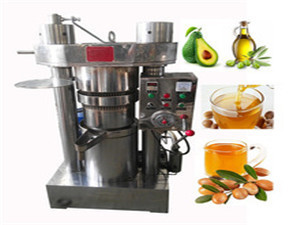
If you're looking to produce high - quality sesame oil for your skincare formulations, investing in advanced sesame oil manufacturing equipment is essential. Our state - of - the - art sesame oil manufacturing machines can help you produce pure and high - quality sesame oil. Click here to learn more about our sesame oil manufacturing equipment.





.jpg?x-oss-process=image/resize,m_fill,h_300,w_300/format,webp)




.jpg?x-oss-process=image/resize,m_fill,h_400,w_400/format,webp)