Sesame Cold Press Oil Machine Structure Explained: Pressing Chamber & Screw Design for Higher Yield
2026-03-21
Tutorial Guide
This guide explains the core structure and working principles of a sesame cold press oil machine, focusing on how pressing-chamber pressure management and optimized screw geometry work together to increase oil yield while preserving quality under low-temperature mechanical extraction. It details how the pressing chamber stabilizes compression and back-pressure for consistent dewatering and oil release, how the screw efficiently transfers torque to achieve thorough seed crushing and progressive squeezing, and how the filtration system removes fine solids to keep the oil clean and stable. With clear diagrams and step-by-step process visuals, plus practical operating tips and maintenance recommendations, the article helps users optimize performance, extend equipment service life, and improve both output and purity. It also highlights Penguin Group’s advanced engineering, flexible customization options, and responsive customer support for buyers seeking a reliable solution for sesame oil production.
Sesame Cold Press Oil Machine Structure Explained: How the Pressing Chamber & Screw Design Improve Oil Yield
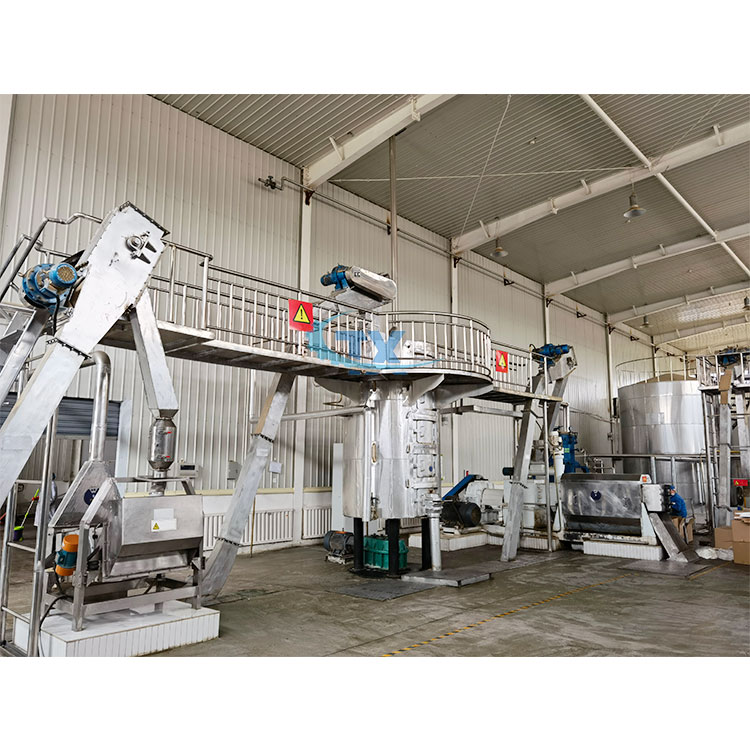
In sesame oil production, “cold press” is not a marketing slogan—it is a mechanical and thermal discipline. A modern sesame cold press oil machine must generate enough pressure to rupture cell walls and release oil, while keeping temperature controlled to protect aroma compounds and reduce oxidation risk. This guide breaks down the core structure (pressing chamber, screw, and filtration) and the real-world operating workflow used in many small-to-industrial lines, with practical methods to improve yield and maintain stable oil quality.
Why Structure Matters in Cold Pressing (More Than “Power”)
Buyers often compare motor size first, but yield and oil clarity are usually determined by force transmission and pressure stability inside the machine. For sesame seeds, typical mechanical cold pressing can achieve about 35–45% oil extraction efficiency in a single pass (depending on seed variety, moisture, and machine geometry). With optimized chamber restriction, correct screw compression ratio, and disciplined feeding, many operators report 2–5% yield improvement versus basic screw press setups—without increasing temperature beyond “cold press” ranges.
Quick Tip:
If the press is “easy to run” but cake looks greasy and soft, the system is often under-pressurized (chamber restriction too open, feeding too fast, or screw wear). Stable resistance is the foundation of yield.
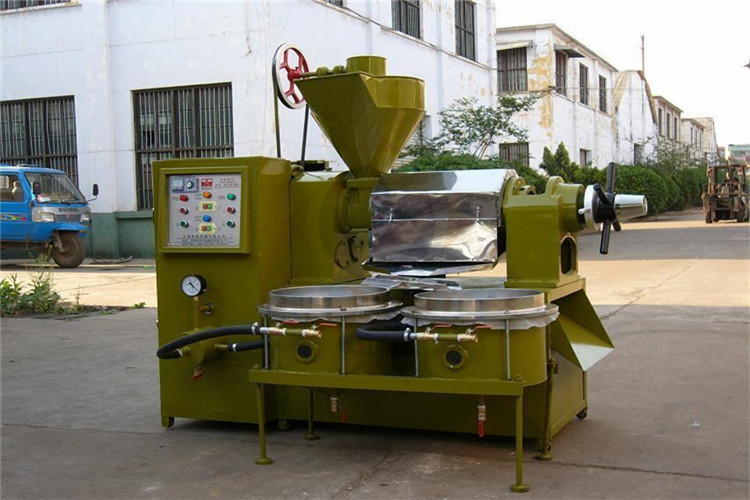
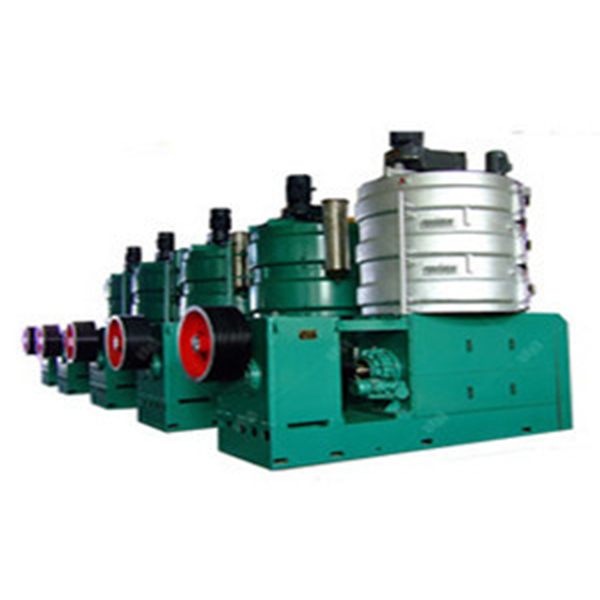
Core Components: Pressing Chamber, Screw, and Filtration System
1) Pressing Chamber: Where Pressure Becomes Yield
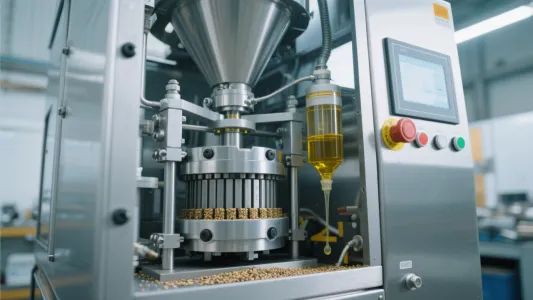
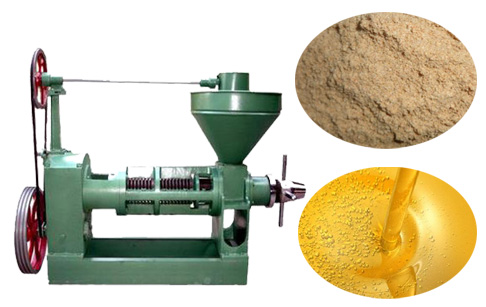
The pressing chamber is the “pressure vessel” of a cold press oil machine. Its job is to convert screw thrust into controllable compression and shear. In well-engineered designs, pressure rises progressively across zones—rather than spiking—so the seed mass deforms, releases oil steadily, and exits as a drier press cake.
Key design and setup elements that influence sesame oil yield:
- Restriction control (outlet choke / cake thickness): More restriction increases pressure but also increases load and heat. The “sweet spot” is the driest cake at acceptable motor current.
- Drainage paths: Properly sized gaps or oil outlets allow oil to escape early, reducing re-absorption and minimizing friction heating.
- Wear tolerance: Small increases in clearance between screw and chamber can reduce compression efficiency. Regular inspection directly impacts yield stability.
Operational indicator:
For sesame, a well-tuned chamber often produces cake that is firm, breaks cleanly, and shows minimal surface gloss. Excess gloss usually means residual oil is high.
2) Screw (Press Worm): Efficient Force Transfer and Progressive Compression
The screw is responsible for feeding, compressing, and pushing the sesame paste through the chamber. A high-performing screw design typically uses progressive compression—changing pitch depth and flight geometry—so pressure rises in stages. This improves oil release while helping avoid sudden temperature jumps.
What matters most in screw geometry for sesame:
- Compression ratio: Higher ratios improve extraction but can increase friction. Balanced designs aim for higher yield at controlled temperature.
- Flight edge integrity: Rounded or worn edges reduce “bite,” lowering throughput stability and yield consistency.
- Material and heat treatment: Durable surfaces reduce wear-driven yield drop over time—critical for continuous production.
Quick Tip:
If the machine starts fine but yield drops after weeks of production, measure screw/chamber clearance and check flight wear. A small wear change can noticeably increase residual oil in cake.
3) Filtration System: Clean Oil Without Killing Efficiency
Cold pressed sesame oil typically contains fine solids immediately after pressing. A practical oil purification system removes meal particles to improve clarity, reduce sediment, and support a cleaner sensory profile. In many lines, filtration also improves storage stability by reducing catalytic impurities that accelerate oxidation.
Common industrial approaches include:
- Staged settling + fine filtration: Settling reduces filter load; filtration finishes clarity.
- Filter press (plates & cloth): Often used when higher throughput is required and consistent clarity is a must.
- Food-grade mesh pre-filter: Captures larger particles to protect downstream filters and pumps.
A realistic target for many operations is to reduce visible suspended solids and keep sediment low after standing—without slowing the press line. If filtration becomes the bottleneck, the press may need a buffer tank or a higher-capacity filter stage.
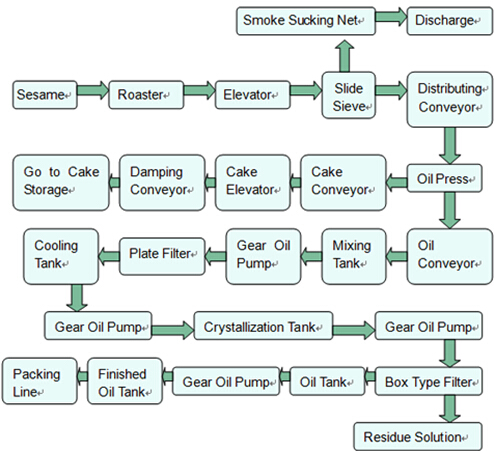
Low-Temperature Mechanical Pressing Workflow (Field-Ready Steps)
- Seed preparation: Clean sesame to reduce sand/metal contamination. Aim for stable moisture; many processors keep sesame around 6–8% for pressing stability (varies by region and seed condition).
- Feeding & pre-conditioning: Feed evenly to avoid pressure oscillation. If a pre-heater is used, keep it mild—cold press operations often try to keep oil mass temperature roughly below 50°C depending on internal standards and market expectations.
- Progressive compression in the chamber: Adjust restriction gradually. Watch motor load/current and cake condition; stable load generally means stable pressure and yield.
- Oil collection: Use clean, covered stainless containers to reduce contamination and light exposure.
- Settling & filtration: Allow short settling to drop heavy solids, then filter to achieve the clarity level required by your market (bulk ingredients vs. consumer retail differ).
- Storage: Store in clean containers with minimal headspace; limit exposure to heat and light to protect aroma and color.
Reference Targets (Useful for Troubleshooting)
| Parameter |
Typical Range |
What It Affects |
If Out of Range |
| Sesame moisture |
~6–8% |
Press stability, cake dryness, yield |
Too high: paste smears, cloudy oil; too low: excessive friction |
| Oil mass temperature |
Often <50°C (operation-dependent) |
Aroma retention, oxidation risk |
Too high: aroma loss, faster oxidation; too low: viscosity up, flow down |
| Single-pass extraction efficiency |
~35–45% |
Yield expectations, cake residual oil |
Low: check restriction, screw wear, feeding, seed moisture |
| Filter loading rate |
Depends on solids & pre-settling |
Throughput, clarity, operating cost |
Fast clogging: add settling stage or upgrade pre-filter mesh |
Maintenance That Protects Oil Yield (And Prevents Unplanned Downtime)
In day-to-day production, “yield loss” is often a maintenance signal. Sesame is abrasive enough to accelerate wear at critical contact points. A disciplined routine can keep extraction stable and reduce stoppages.
- Daily: Clean oil outlets and filtration screens; check for unusual vibration or load fluctuation.
- Weekly: Inspect restriction components and press cake exit for consistent thickness; verify fasteners and alignment.
- Monthly (or per running hours): Measure screw/chamber wear; review filter media condition and pump performance.
Small Process Tweaks That Often Improve Results
Use a consistent feeding rate, avoid sudden restriction changes, and keep the filtration stage matched to press output. If clarity is good but yield is low, focus on chamber restriction and wear. If yield is fine but oil is cloudy, focus on pre-settling time and filtration capacity—not just tighter filters.
FAQ: Sesame Cold Press Oil Machine (What Buyers & Operators Ask)
What is the biggest structural factor affecting oil yield?
For most installations, it is the pressing chamber restriction and pressure stability across the compression zones. Even with a strong motor, poor restriction control or worn clearances will leave more oil in the cake.
How can operators keep “cold press” conditions while maintaining throughput?
Use progressive compression rather than aggressive choking, keep feeding consistent, and ensure oil drains efficiently from the chamber. Many lines also use staged settling to reduce filtration load, preventing bottlenecks that force the press to run under unstable conditions.
Why does oil look cloudy right after pressing?
Immediate cloudiness is usually fine meal particles suspended in oil. A combination of short settling and appropriate filtration (pre-filter + fine filter) typically resolves this without changing press parameters.
Can a machine be customized for different sesame varieties or capacities?
Yes. Capacity, chamber geometry, screw compression profile, and filtration configuration are commonly adjustable or customizable to match different seed properties and production targets. For B2B buyers, this flexibility reduces commissioning time and improves consistency across batches.
What should a buyer ask a supplier before purchasing?
Ask for target throughput ranges, recommended seed moisture, wear-part lifecycle guidance, filtration options, and commissioning support. A supplier with strong after-sales service will provide setup parameters and troubleshooting guidance for your sesame type and your desired oil clarity level.
Need Higher Yield, Cleaner Oil, and Stable Cold-Press Operation?
Penguin Group supports B2B buyers with engineered cold press solutions—covering pressing chamber tuning, screw configuration, filtration matching, and practical commissioning guidance. For projects requiring flexible capacity planning or special sesame varieties, customization can be aligned to your process and compliance needs.
Request a Sesame Cold Press Oil Machine Technical Consultation
Typical inquiry info to share: sesame type, target capacity, desired oil clarity, power standard, and installation country.