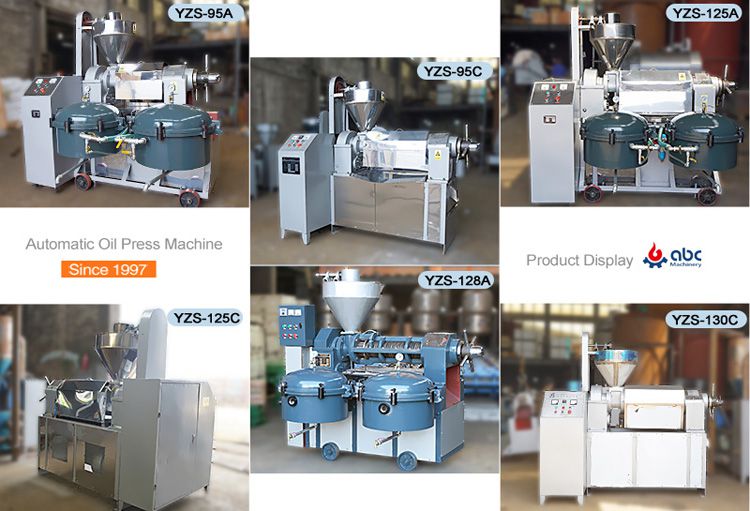
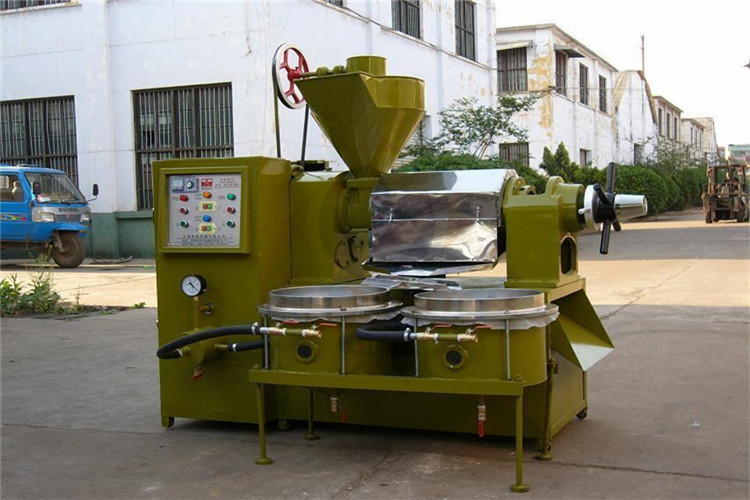
In the competitive edible oil industry, sesame oil producers face the constant challenge of balancing yield and quality. Traditional hot pressing methods often compromise the nutritional integrity of sesame oil, destroying valuable antioxidants and热敏able nutrients. Cold press technology, operating at temperatures below 60°C, preserves these essential components while maintaining the oil's natural flavor profile and extended shelf life.
According to industry research, cold-pressed sesame oil retains up to 30% more natural antioxidants compared to conventionally processed oils, with vitamin E levels remaining virtually intact during extraction. This nutritional advantage has driven a 15% annual growth in demand for premium cold-pressed sesame oil in health-conscious markets across North America and Europe.
Technical Insight:
Optimal sesame oil extraction occurs within the temperature range of 45-55°C, where the oil viscosity reaches ideal levels for separation while preserving delicate fatty acid structures.
The pressure chamber serves as the critical interface where mechanical force transforms sesame seeds into valuable oil. Precision-engineered chambers feature variable diameter sections that create progressive pressure buildup—starting at approximately 3-5 MPa at the feed end and reaching 25-30 MPa at the discharge zone. This graduated pressure system ensures complete oil release while minimizing seed residue in the final product.
Penguin Group's proprietary chamber design incorporates thermal insulation technology that maintains temperature stability within ±2°C during operation, preventing localized heat spikes that could compromise oil quality. The chamber's internal surface is treated with a food-grade ceramic coating that reduces friction by 18% compared to traditional steel surfaces, decreasing energy consumption while improving extraction efficiency.
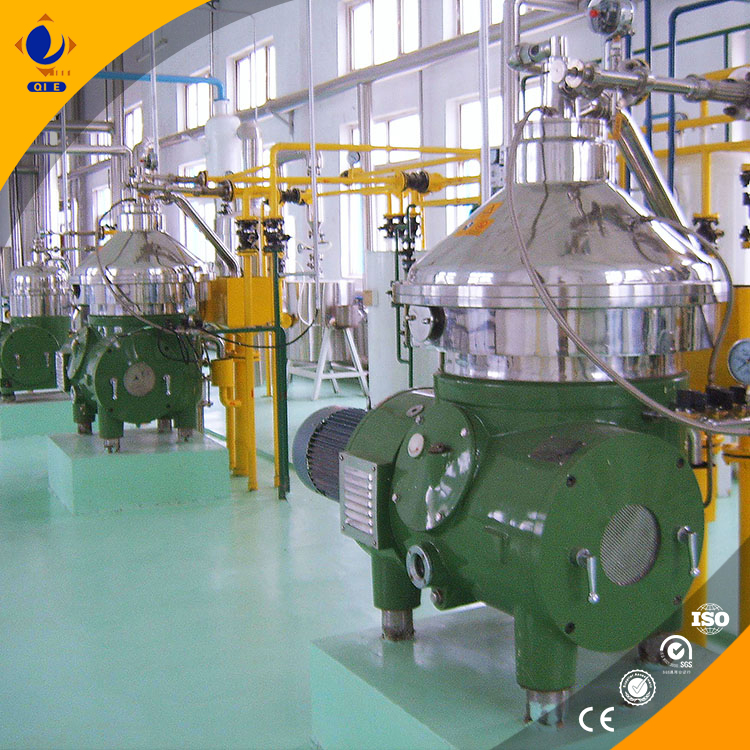
Pro Tip: Regular calibration of pressure sensors every 500 operating hours ensures consistent pressure profiles, maintaining optimal extraction efficiency and reducing wear on mechanical components.
The screw assembly represents the mechanical powerhouse of the cold press system, converting rotational motion into axial pressure that drives oil extraction. Modern designs feature variable pitch configurations that progressively reduce volume as seeds move through the press. This geometric progression creates the necessary pressure differential while preventing seed blockages and ensuring continuous operation.
Penguin Group engineers have developed a patented helical screw profile with optimized flight angles that increase extraction yield by 7-9% compared to standard screw designs. The screw material—high-grade alloy steel treated with a specialized hardening process—exhibits 30% greater wear resistance, extending service life to approximately 3,000 operating hours before requiring reconditioning.
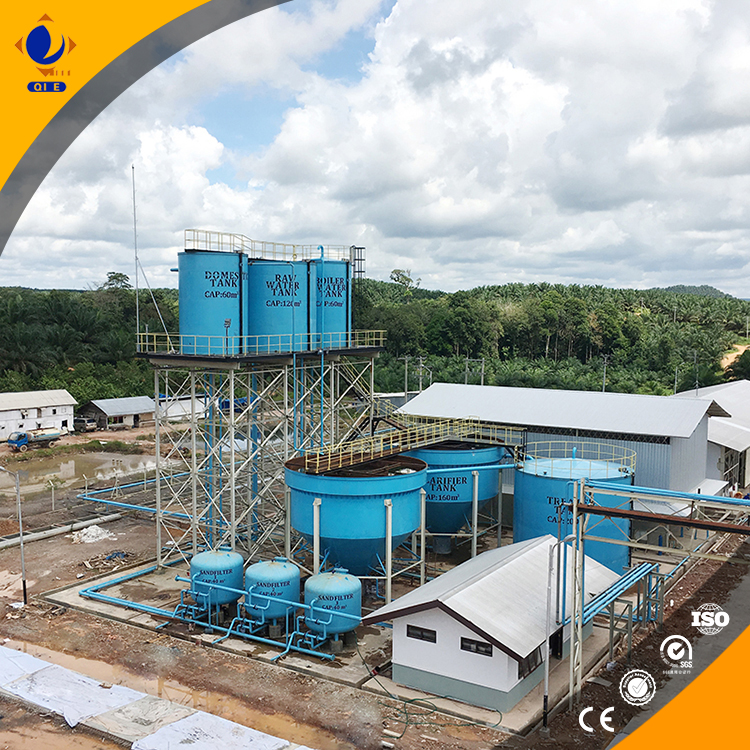
Pro Tip: Maintaining proper screw-to-chamber clearance (ideally 0.3-0.5mm) is critical for maximizing oil yield. Excessive clearance reduces pressure efficiency, while insufficient clearance increases mechanical stress and energy consumption.
The filtration system acts as the final quality control checkpoint, removing particulate matter and colloidal impurities that affect oil clarity, flavor, and shelf stability. Multi-stage filtration processes typically incorporate coarse pre-filtration (50-100 micron) followed by fine filtration (10-20 micron) to achieve optimal purity levels.
Penguin Group's advanced filtration technology employs a cross-flow filtration method that maintains consistent flow rates while extending filter life by up to 40% compared to conventional dead-end filtration systems. The system's automated backwashing cycle ensures continuous operation with minimal downtime, crucial for meeting industrial production demands.
Pro Tip: Implementing a pre-filtration screen replacement schedule based on differential pressure monitoring (replace at 1.5 bar differential) maintains optimal flow rates and prevents premature clogging of fine filters.
Achieving consistent results with sesame cold press equipment requires careful attention to operational parameters and maintenance schedules. Seed preparation is equally important as equipment operation—optimal moisture content (6-8%) and particle size distribution (3-5mm) significantly impact extraction efficiency.
Regular maintenance routines should include daily inspection of pressure readings, weekly lubrication of moving parts, and monthly calibration of temperature control systems. Establishing a preventive maintenance schedule can reduce unplanned downtime by up to 65% while extending equipment lifespan by 3-5 years.
Q: What is the typical oil yield range for sesame seeds using cold press technology?
A: Depending on seed quality and preparation, cold press systems typically achieve 45-55% oil yield from sesame seeds, with premium varieties reaching up to 58% under optimal conditions.
Q: How frequently should filter elements be replaced during continuous operation?
A: In industrial settings operating 24/7, fine filters should be replaced every 72-96 hours, while pre-filters typically last 120-168 hours under normal operating conditions.
Q: What temperature variations can affect oil quality during extraction?
A: Temperature spikes above 65°C for more than 15 minutes can cause oxidation of polyunsaturated fatty acids, reducing shelf life by up to 40% and altering the oil's natural flavor profile.
Discover how Penguin Group's advanced cold press solutions can increase your oil yield by 7-12% while maintaining the highest quality standards demanded by premium markets worldwide.
Download Our Technical Specification GuideAs the global demand for natural, minimally processed oils continues to grow, investing in advanced cold press technology becomes increasingly critical for market competitiveness. By understanding the interplay between pressure chamber design, screw mechanics, and filtration efficiency, producers can achieve both higher yields and superior product quality.
Each component of the cold press system plays a vital role in the final product characteristics, from the initial seed preparation to the final filtration stage. With proper equipment selection, operation, and maintenance, sesame oil producers can meet the stringent quality requirements of today's health-conscious consumers while optimizing their production efficiency and profitability.

 331
|
331
|
 sesame oil quality test
homemade sesame oil
cold pressed sesame oil
acid value in sesame oil
sesame oil storage tips
sesame oil quality test
homemade sesame oil
cold pressed sesame oil
acid value in sesame oil
sesame oil storage tips
 49
|
mini sesame oil machine
cold pressed sesame oil
hot pressed sesame oil
small scale oil press
spiral pressing technology
172
|
Sesame oil formula
Natural skin - care oil
Food seasoning oil
Antioxidant efficacy
Addition ratio
249
|
Home sesame oil making tutorial
Cold-pressed sesame oil
Self-made sesame oil methods
Small-scale oil extraction techniques
Sesame oil storage methods
49
|
mini sesame oil machine
cold pressed sesame oil
hot pressed sesame oil
small scale oil press
spiral pressing technology
172
|
Sesame oil formula
Natural skin - care oil
Food seasoning oil
Antioxidant efficacy
Addition ratio
249
|
Home sesame oil making tutorial
Cold-pressed sesame oil
Self-made sesame oil methods
Small-scale oil extraction techniques
Sesame oil storage methods
 310
|
Sesame oil yield improvement
Temperature control techniques
Sesame oil manufacturing machines
Oil extraction process optimization
Sesame oil quality enhancement
310
|
Sesame oil yield improvement
Temperature control techniques
Sesame oil manufacturing machines
Oil extraction process optimization
Sesame oil quality enhancement






.jpg?x-oss-process=image/resize,m_fill,h_300,w_300/format,webp)