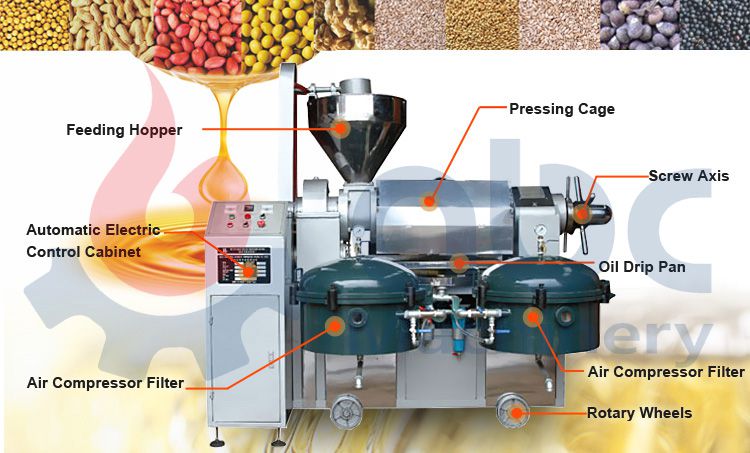
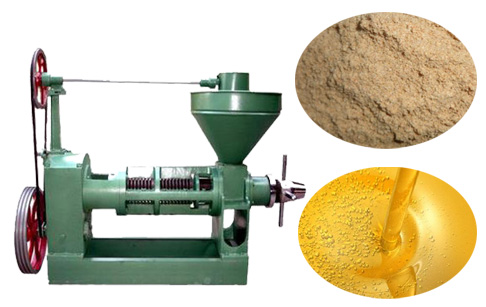
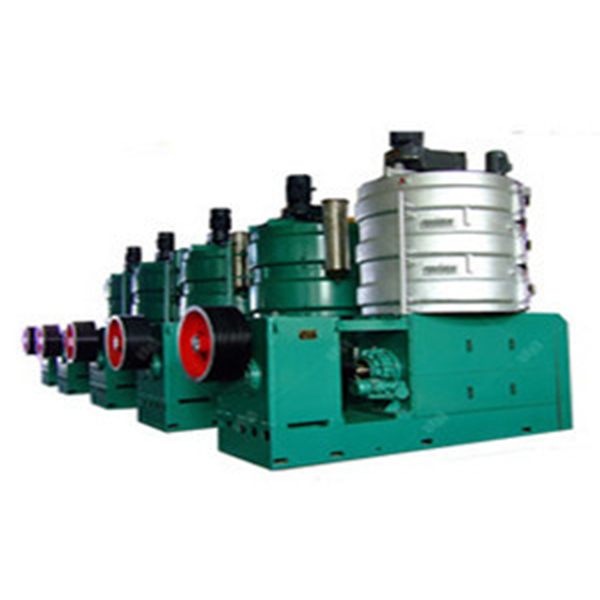
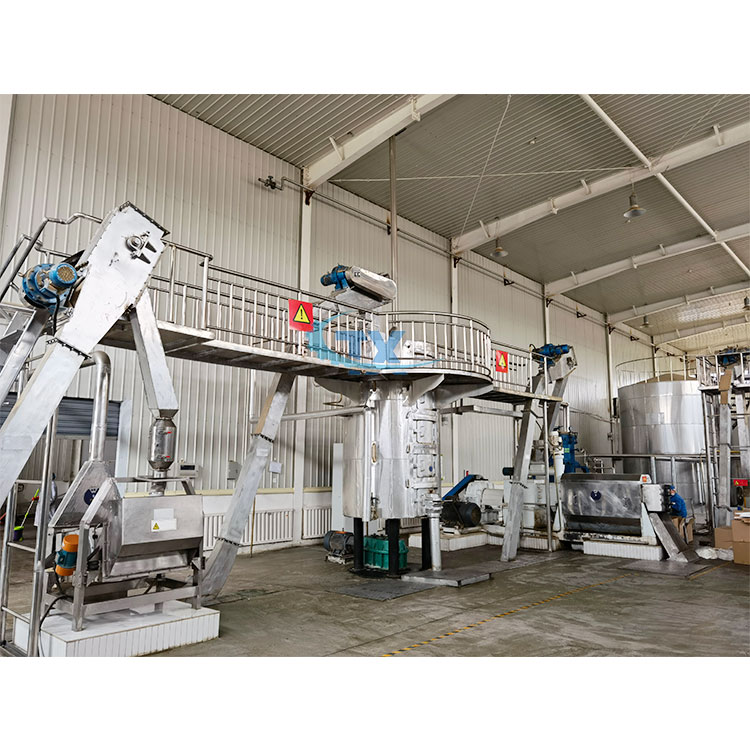
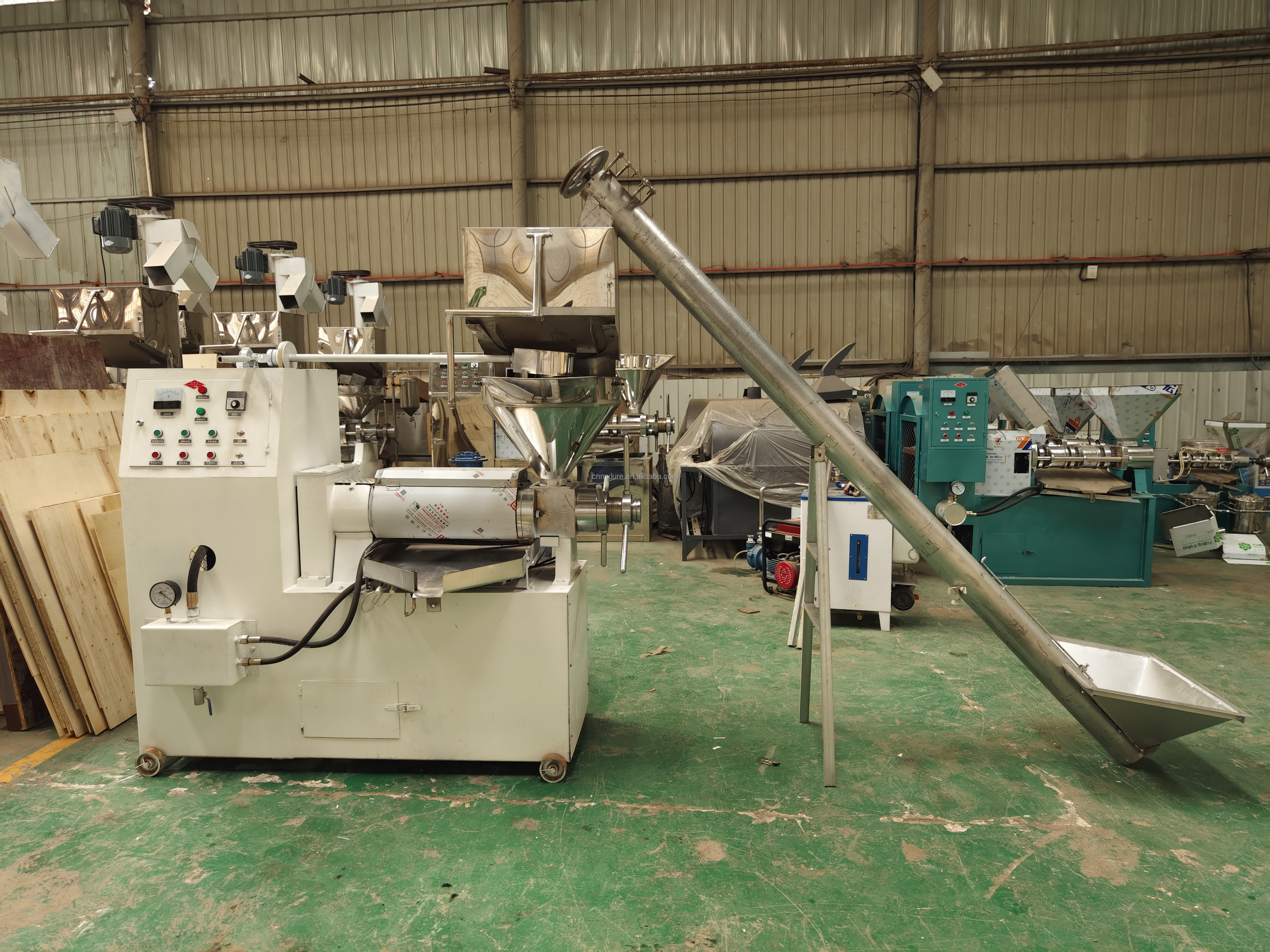
The pursuit of oil purity and nutritional quality in sesame oil production demands an in-depth understanding of machinery components and processing technologies. The sesame cold press oil machine integrates advanced mechanical engineering with cold press technology to preserve the natural flavor and health benefits inherent in sesame seeds. Crucial to this process are three main components: the pressing chamber, the screw press, and the filtration system. Together with an industrial-grade oil purification system, these elements guarantee higher yield, purity, and long-term operational efficiency.
At the heart of the cold press machine lies the pressing chamber, where sesame seeds undergo mechanical compression under tightly regulated pressure. Maintaining optimal pressure levels is critical — typically within a range of 30 to 50 MPa — to maximize oil extraction without compromising seed integrity or generating excessive heat. Precise control mechanisms ensure the pressing chamber applies consistent and uniform pressure, enhancing output efficiency while preserving valuable micronutrients.
Temperature regulation is equally essential; the cold press process keeps the oil temperature below 50°C to prevent oxidation and nutrient degradation. The pressing chamber’s design incorporates thermal insulation and pressure sensors that monitor and adjust real-time parameters, providing the groundwork for high-quality cold-pressed sesame oil.
The screw or auger is the mechanical powerhouse of the machine, transforming rotational force into axial compression. Its helical design presses sesame seeds against the chamber walls, extracting oil efficiently while minimizing friction-generated heat. Proper torque regulation, maintained between 15 to 25 Nm depending on seed batch size and moisture content, optimizes screw rotation speed and prevents mechanical strain or overheating.
Adjusting the screw’s speed and torque allows operators to tailor processing parameters, reducing wear and tear while improving oil yield. High-strength construction materials ensure the screw maintains structural integrity over extended industrial use, contributing to the machine’s durability and reliable performance.
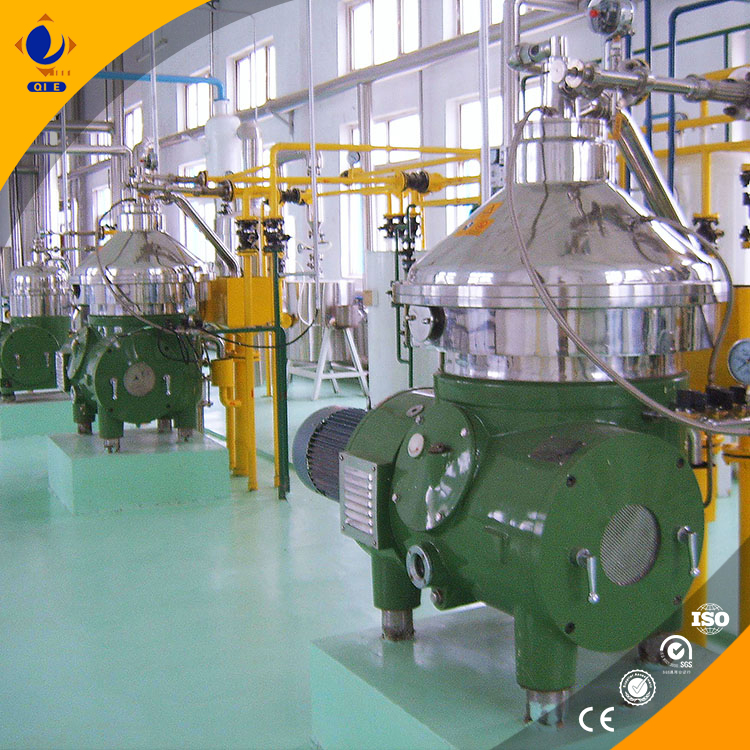
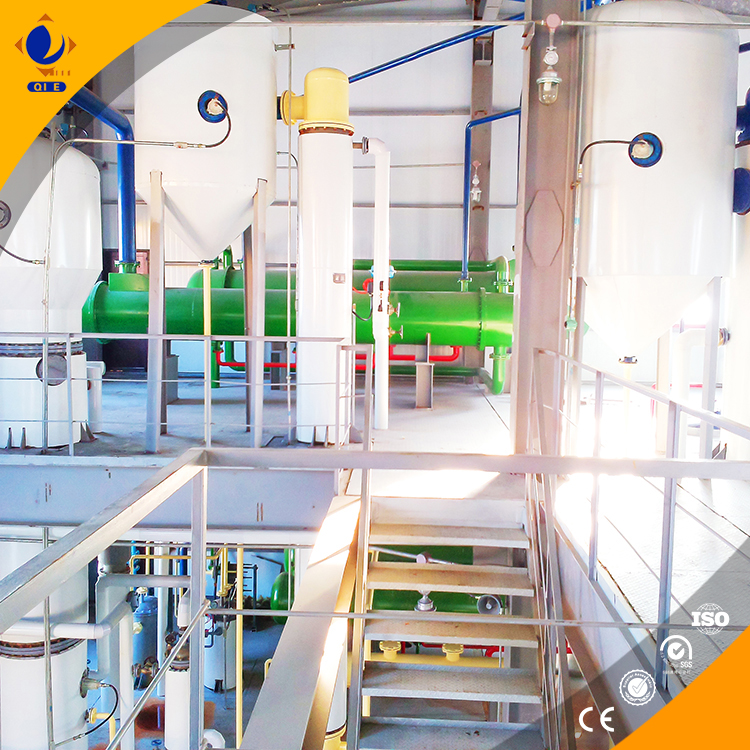
Post-extraction, crude sesame oil contains impurities such as seed residues, fine particulates, and suspended solids. The industrial-grade oil purification system employs multi-stage filtration technology — typically combining coarse mesh filters (20-50 microns), fine filters (1-5 microns), and activated carbon layers — to clarify the oil without the use of chemical refining.
This filtration chain not only improves oil clarity and shelf life but also enhances flavor by removing particulate contamination. Regular maintenance, including cleaning core filter elements every 50 operational hours and replacing activated carbon monthly, is vital for sustained filtration efficiency.
The sesame cold press oil production process begins with thorough raw material selection — intact, dry sesame seeds with moisture levels below 6% are preferred to maintain optimal extraction and oil quality. Seeds undergo dehulling and cleaning before feeding into the pressing chamber.
During pressing, mechanical forces extract oil while the low-temperature design prevents degradation. Extracted oil is then directed through the filtration system to remove impurities. The final oil product is monitored for quality, ensuring parameters such as acidity ≤ 0.5% and peroxide value remain within optimal ranges.

 331
|
331
|
 sesame oil quality test
homemade sesame oil
cold pressed sesame oil
acid value in sesame oil
sesame oil storage tips
sesame oil quality test
homemade sesame oil
cold pressed sesame oil
acid value in sesame oil
sesame oil storage tips
 200
|
Sesame oil extraction equipment
Sesame edible oil manufacturing machine
Comparison of pressing and solvent extraction processes
Sesame oil quality improvement
Sesame oil production technology
200
|
Sesame oil extraction equipment
Sesame edible oil manufacturing machine
Comparison of pressing and solvent extraction processes
Sesame oil quality improvement
Sesame oil production technology
 49
|
mini sesame oil machine
cold pressed sesame oil
hot pressed sesame oil
small scale oil press
spiral pressing technology
185
|
Home sesame oil production
Sesame oil cold pressing
Small-scale oil processing
Sesame oil storage techniques
Safe oil pressing methods
172
|
Sesame oil formula
Natural skin - care oil
Food seasoning oil
Antioxidant efficacy
Addition ratio
49
|
mini sesame oil machine
cold pressed sesame oil
hot pressed sesame oil
small scale oil press
spiral pressing technology
185
|
Home sesame oil production
Sesame oil cold pressing
Small-scale oil processing
Sesame oil storage techniques
Safe oil pressing methods
172
|
Sesame oil formula
Natural skin - care oil
Food seasoning oil
Antioxidant efficacy
Addition ratio





.jpg?x-oss-process=image/resize,m_fill,h_300,w_300/format,webp)