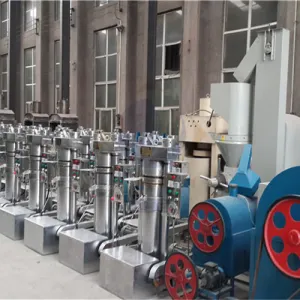
A sesame cold press machine quotation is useful only when its scope and operating conditions are clear. For small-to-medium sesame oil producers, the purchasing decision should connect equipment price with actual seed throughput, pressing temperature, oil recovery, labor requirements, and the supporting production line.
Qi'e Grain and Oil Machinery Co., Ltd. provides oil pressing equipment and production line solutions, together with design, installation, and technical services. This guide explains how to compare sesame oil pressing options and prepare the project information needed for a configuration-specific quotation.
The key purchasing distinction: a standalone press price is not the same as the cost of an operational sesame oil production line. Compare quotations against the same processing requirements, equipment boundaries, and service scope.
A sesame oil milling machine extracts oil from sesame seeds by mechanical pressing. Cold pressing describes the processing conditions, while hydraulic and screw pressing describe the machine design. A hydraulic press is not automatically a cold press, and a screw press should not be described as cold-press equipment without checking its actual operating temperatures.
| Option | What it means | What buyers should verify |
|---|---|---|
| Cold pressing | Oil extraction under controlled, low-temperature conditions to help retain natural flavor and heat-sensitive components. | Seed preparation, temperature measurement points, and temperatures during sustained operation. |
| Hydraulic pressing | Hydraulic pressure compresses the sesame material to release oil. | Loading and unloading requirements, cycle time, temperature conditions, and net daily output. |
| Screw pressing | A rotating screw compresses sesame seeds and separates oil from press cake. | Feed consistency, friction-related heat, actual throughput, and wear-part requirements. |
| Hot pressing | Seeds are heated before extraction, which can improve oil recovery but changes the processing conditions and oil characteristics. | Whether the resulting oil matches the intended product specification rather than a cold-pressed positioning. |
Cold-pressed product claims should be checked against the requirements of the intended sales market. Machine type alone does not establish compliance.
There is no single price that represents every sesame cold press project. The quotation depends on the selected model, required processing capacity, automation level, and included equipment and services. A lower initial price may cover a narrower supply scope rather than a lower total production cost.
Capacity and extraction performance depend on the sesame seed characteristics, preparation method, machine settings, and operating schedule. Compare equipment using documented conditions—not isolated headline figures.
Ask where temperatures are measured and whether readings cover a full operating period. Assess oil aroma and flavor against the target product specification. Low-temperature processing can help preserve natural characteristics, but it does not guarantee identical results across different seed lots.
Distinguish sesame seed input from oil output. Verify whether capacity refers to pressing time alone or includes loading, unloading, cleaning, and stoppages. Compare recovered oil and residual oil in cake using the same measurement basis.
Request measured energy use under the proposed operating conditions, not just motor power. Review operator tasks, cleaning access, maintenance intervals, and replacement-part requirements when estimating ongoing costs.
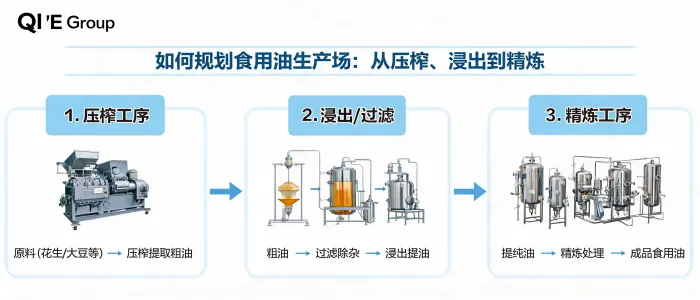
A practical sesame oil production line connects seed preparation, pressing, oil clarification, and storage. Each stage should be sized around the same production target so that the press is not evaluated separately from the equipment serving it.
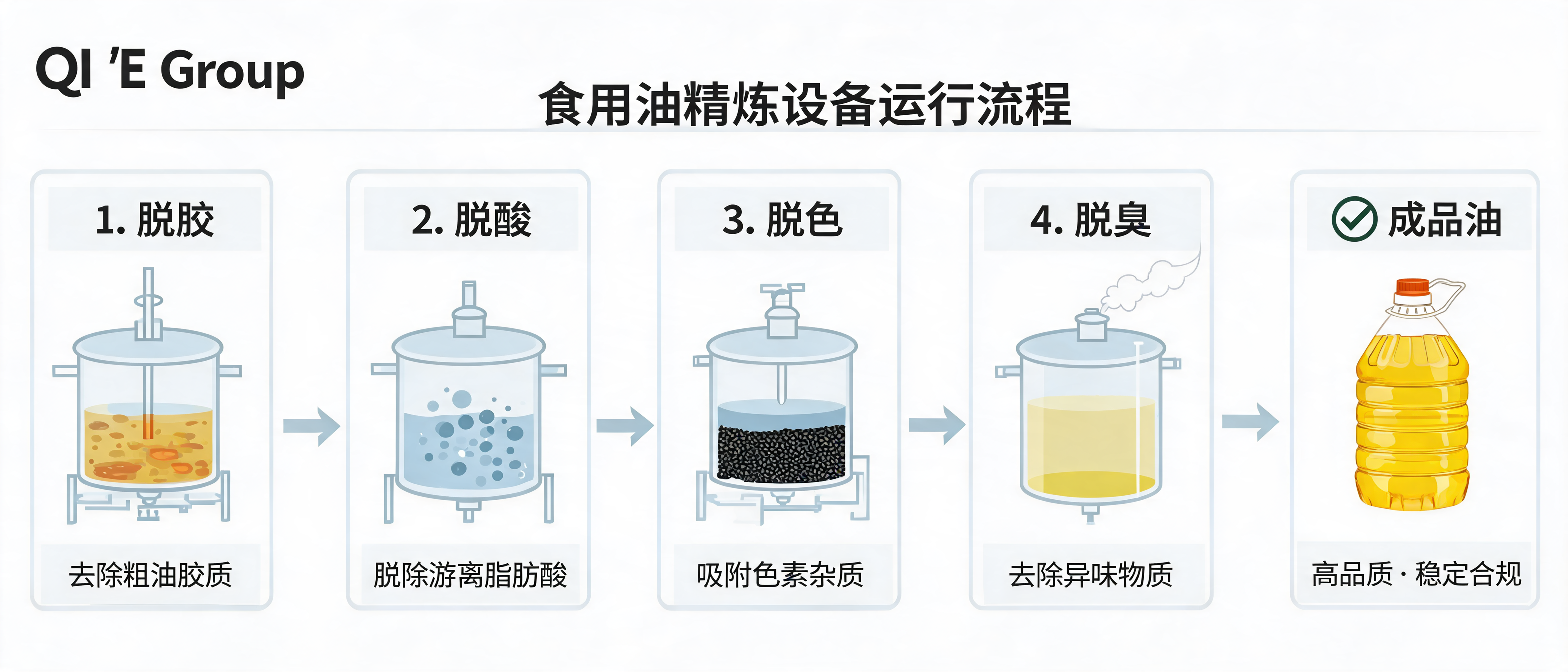
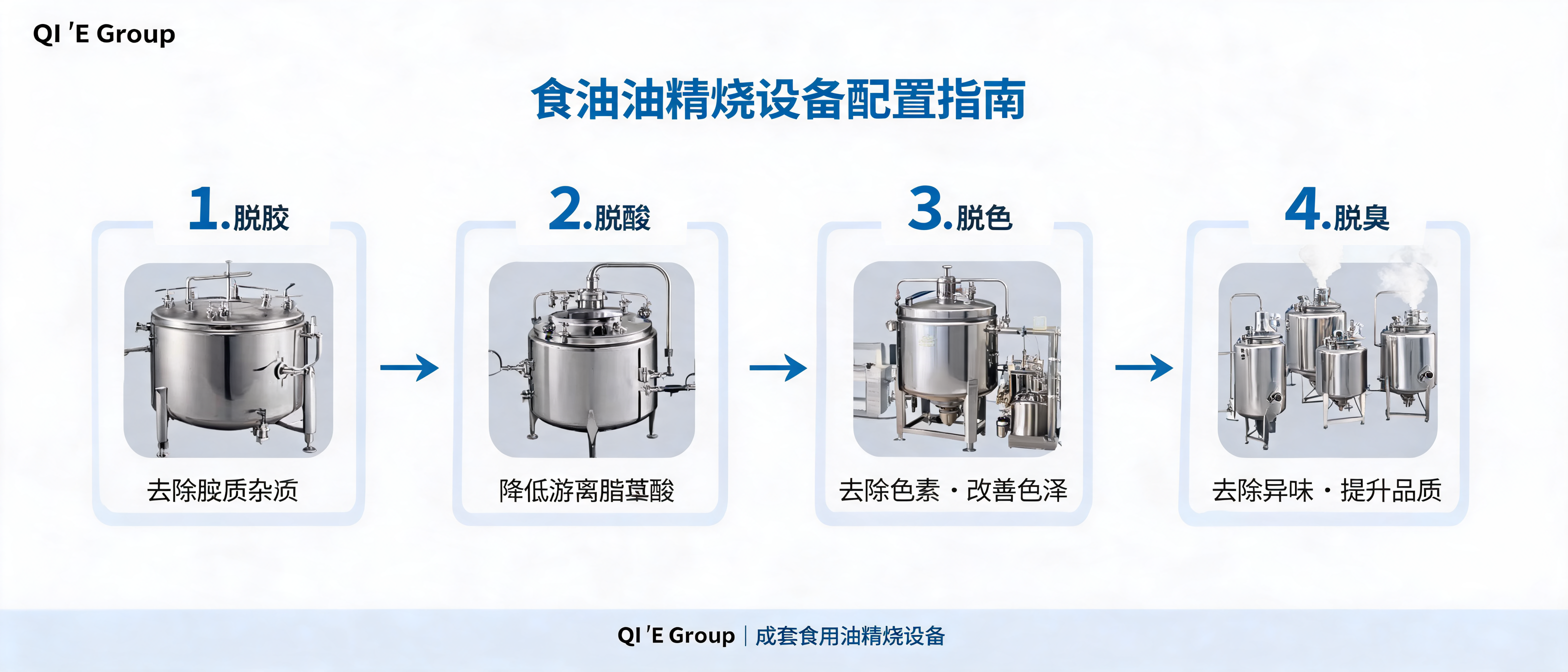
If refining is part of the intended process, assess it separately from the cold-press and filtration scope. Qi'e also provides edible oil refining equipment; its relevance depends on the final product specification.
A sesame oil production investment analysis should separate upfront project expenditure from recurring operating costs. This makes it easier to compare a standalone press with a more complete line configuration.
Upfront investment: pressing and supporting equipment, delivery, applicable import charges, site preparation, utility connections, installation, commissioning, and initial spare parts.
Recurring costs: sesame seeds, energy, labor, filtration consumables, cleaning, maintenance, packaging where applicable, and production downtime.
Commercial inputs: saleable oil output, expected utilization, local selling prices, raw material availability, and any verified revenue from press cake.
Payback estimates require project-specific inputs. Test how the estimate changes with seed prices, oil recovery, selling prices, and utilization rather than treating equipment capacity as guaranteed sales or profit.
To discuss a sesame cold press machine configuration with Qi'e, provide the following project information:
With these inputs, the discussion can focus on a defined equipment scope and meaningful performance criteria. A configuration-specific quotation provides a stronger basis for purchasing than a sesame cold press machine price considered on its own.

 127
|
 Qi'e Grain and Oil Machinery grain and oil machinery industry high-efficiency and eco-friendly automation equipment upgrade
 308
|
Qi'e Grain and Oil Machinery Co., Ltd. one-stop grain and oil processing solutions sesame oil pressing machine edible oil production line oil refining equipment
226
|
Qi'e Grain and Oil Machinery Co., Ltd. integrated grain and oil machinery solutions oil processing solutions oil pressing equipment edible oil refining equipment
 312
|
Qi'e Grain and Oil Machinery Co., Ltd. grain and oil machinery solutions sesame oil pressing equipment edible oil refining equipment oil processing project services
359
|
Qi'e Grain and Oil Machinery Co., Ltd. integrated grain and oil processing solutions oil pressing equipment edible oil production line edible oil refining equipment