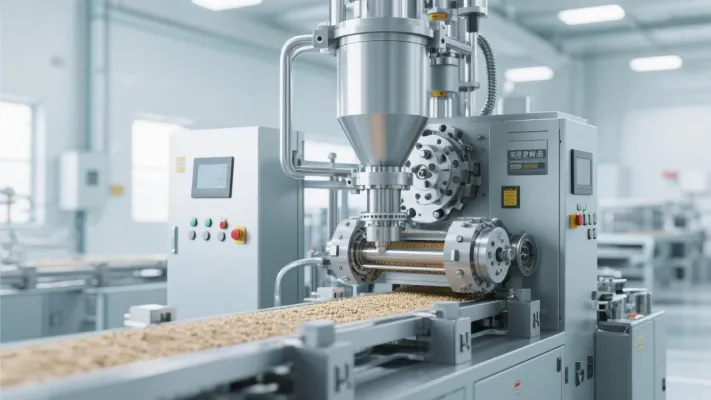
Are you a home user or a small startup workshop looking to produce high - quality sesame oil? Selecting the right sesame raw materials is the first and most crucial step. In this guide, we'll walk you through everything you need to know about choosing the best sesame seeds, along with practical cold - pressing techniques, and key points for preventing oxidation and proper storage.
When it comes to sesame seeds, not all are created equal. High - quality sesame seeds should have a plump shape, a uniform color (usually white or black depending on the variety), and a shiny surface. Avoid seeds that are shriveled, discolored, or have a musty smell. For example, in a recent home - based sesame oil production case, a user who initially bought low - quality seeds with visible discoloration ended up with an oil that had a strange odor and a lower yield. By switching to high - quality seeds, the yield increased by about 20% and the oil had a much better flavor.
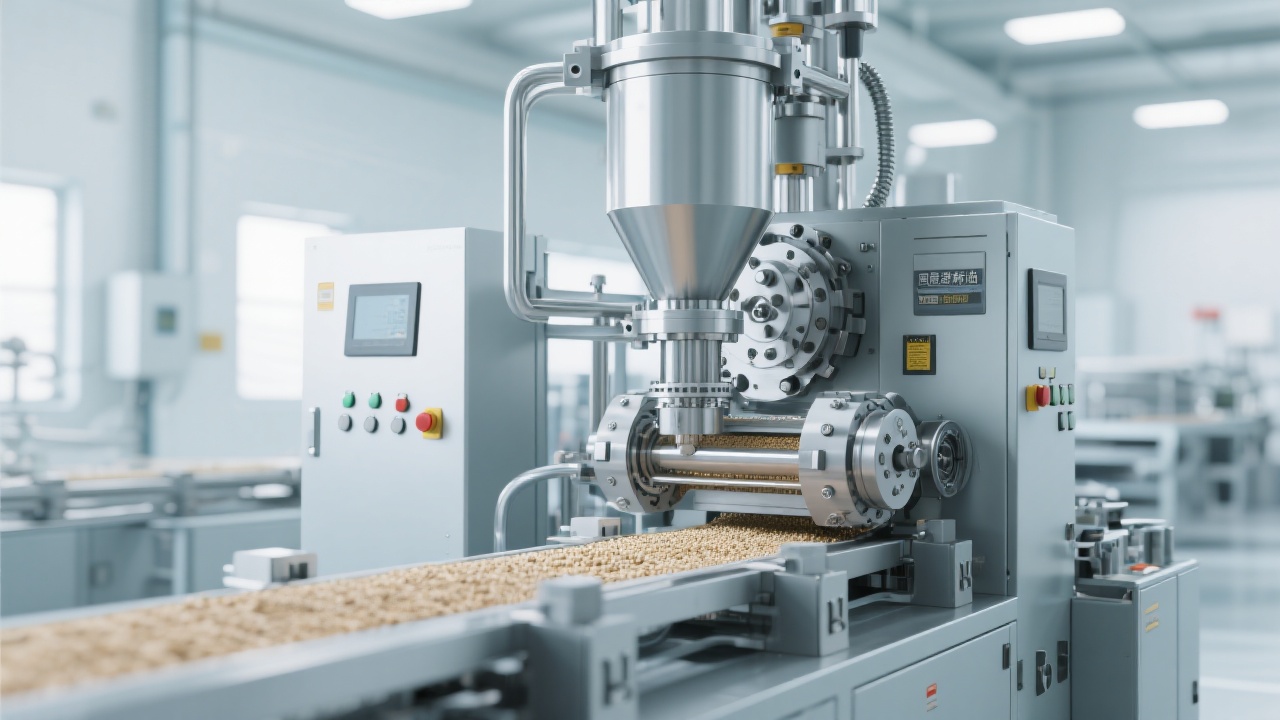
For home and small - scale workshops, there are different types of sesame oil manufacturing machines available. Cold - press sesame oil machines are highly recommended as they can preserve the natural nutrients and flavors of the sesame oil. When choosing a machine, consider factors such as capacity, ease of use, and cleaning requirements. A small - capacity machine (around 5 - 10 kg per hour) is suitable for home use, while a larger one (20 - 50 kg per hour) is more appropriate for small workshops.
The cold - pressing process is a key step in producing high - quality sesame oil. First, clean the sesame seeds thoroughly to remove any dirt or impurities. Then, load the seeds into the cold - press machine. The cold - press process usually takes about 1 - 2 hours depending on the machine capacity. To prevent oxidation, it's important to keep the oil away from light, heat, and oxygen. Adding natural antioxidants like vitamin E can also help extend the shelf life of the oil. For instance, a small workshop that started using vitamin E in their oil saw a significant reduction in oxidation - related issues, with the oil remaining fresh for up to 3 months longer than before.
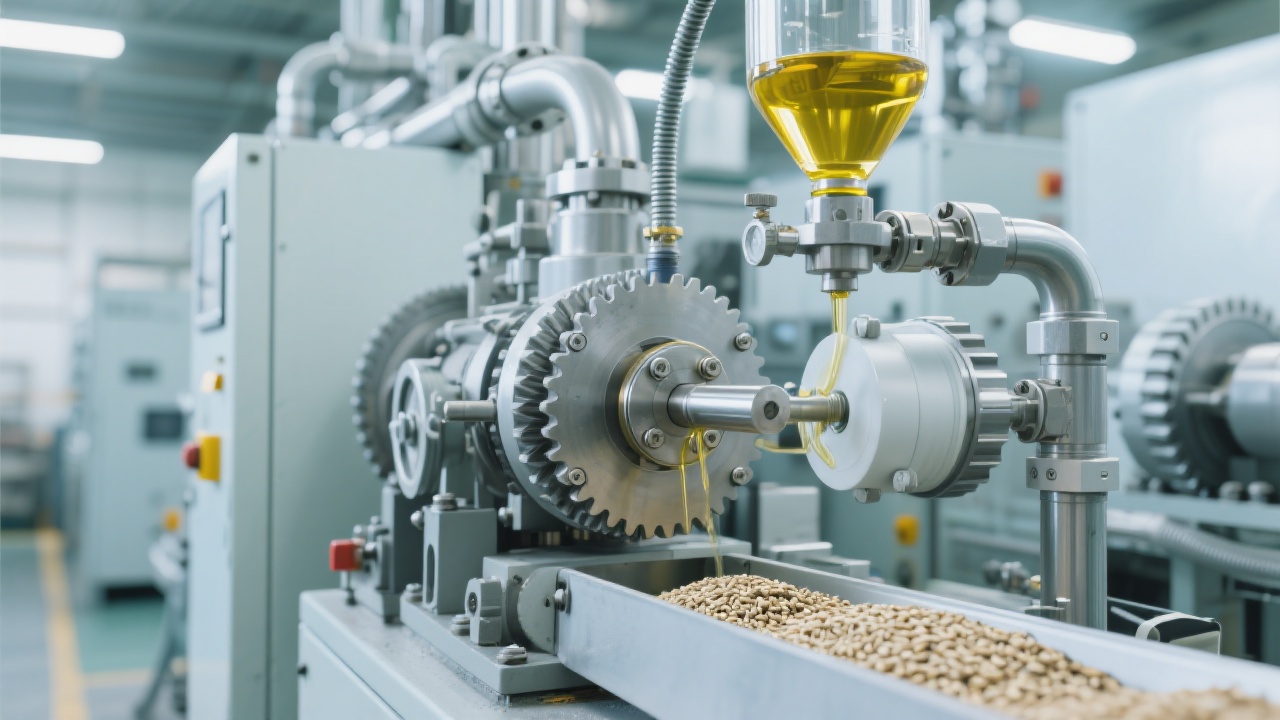
The storage environment has a great impact on the flavor and quality of sesame oil. Store the oil in a cool, dark place, preferably at a temperature between 10 - 20°C. Avoid storing the oil near heat sources or in direct sunlight. A well - stored sesame oil can maintain its flavor and quality for up to 6 - 12 months. In contrast, oil stored in a warm and bright environment may start to go rancid within a few weeks.
There are some traditional myths in sesame oil production. For example, many people believe that high - temperature roasting can improve the quality of the oil. However, high - temperature roasting can actually destroy some of the nutrients and increase the risk of oxidation. In fact, cold - pressing without high - temperature roasting can produce oil with better nutritional value and flavor. Also, don't judge the quality of the oil just by its color. A lighter - colored oil doesn't necessarily mean it's of lower quality.

Maintaining safety and hygiene standards is non - negotiable in sesame oil production. Make sure all equipment is clean and sanitized regularly. Also, control the economic cost during production. By choosing the right raw materials and equipment, you can produce high - quality oil at a reasonable cost. For example, buying sesame seeds in bulk can reduce the cost per kilogram by about 10 - 15%.
To help you better understand the process, we've prepared an operation video here. We also encourage user interaction and feedback. Your suggestions will help us update and optimize the content regularly.
Selecting high - quality sesame raw materials and the right equipment is the key step to ensuring high - quality sesame oil production. Don't miss this opportunity! Take action now and start your healthy sesame oil production journey!





.jpg?x-oss-process=image/resize,m_fill,h_400,w_400/format,webp)