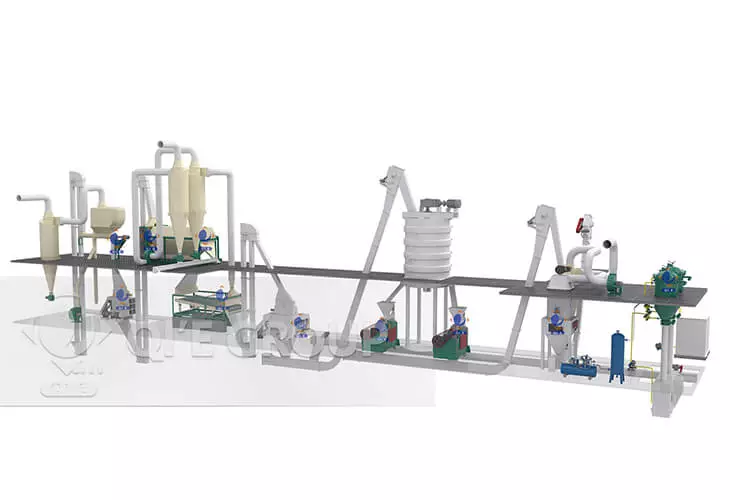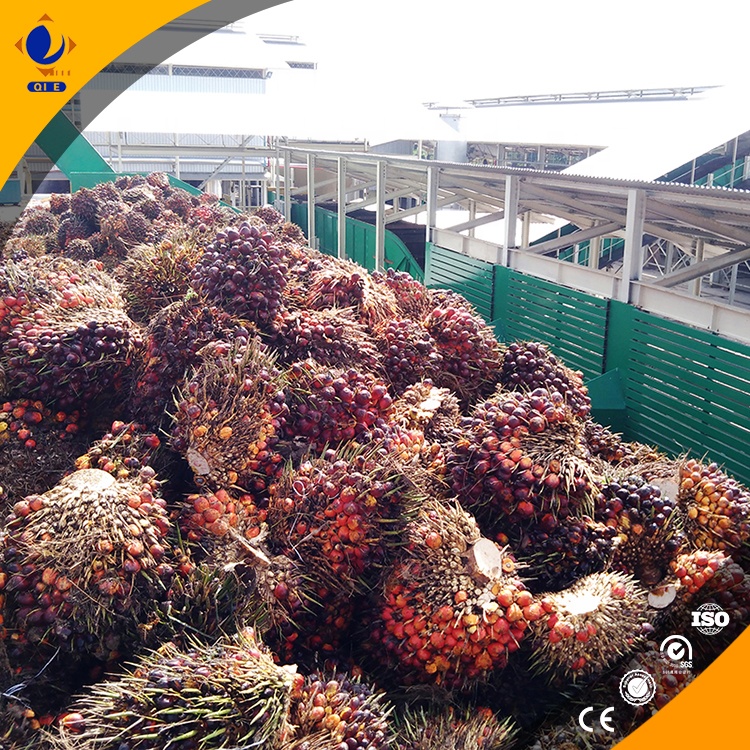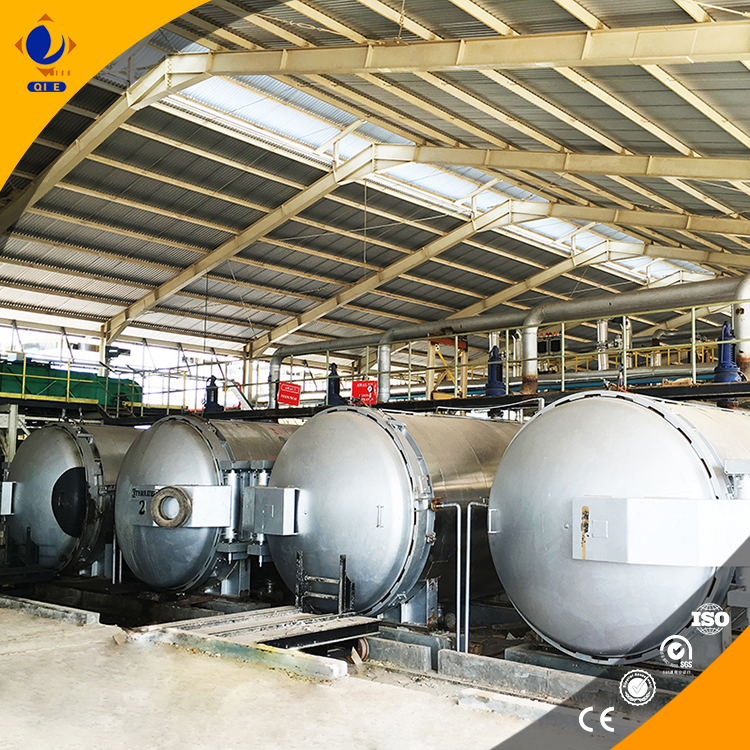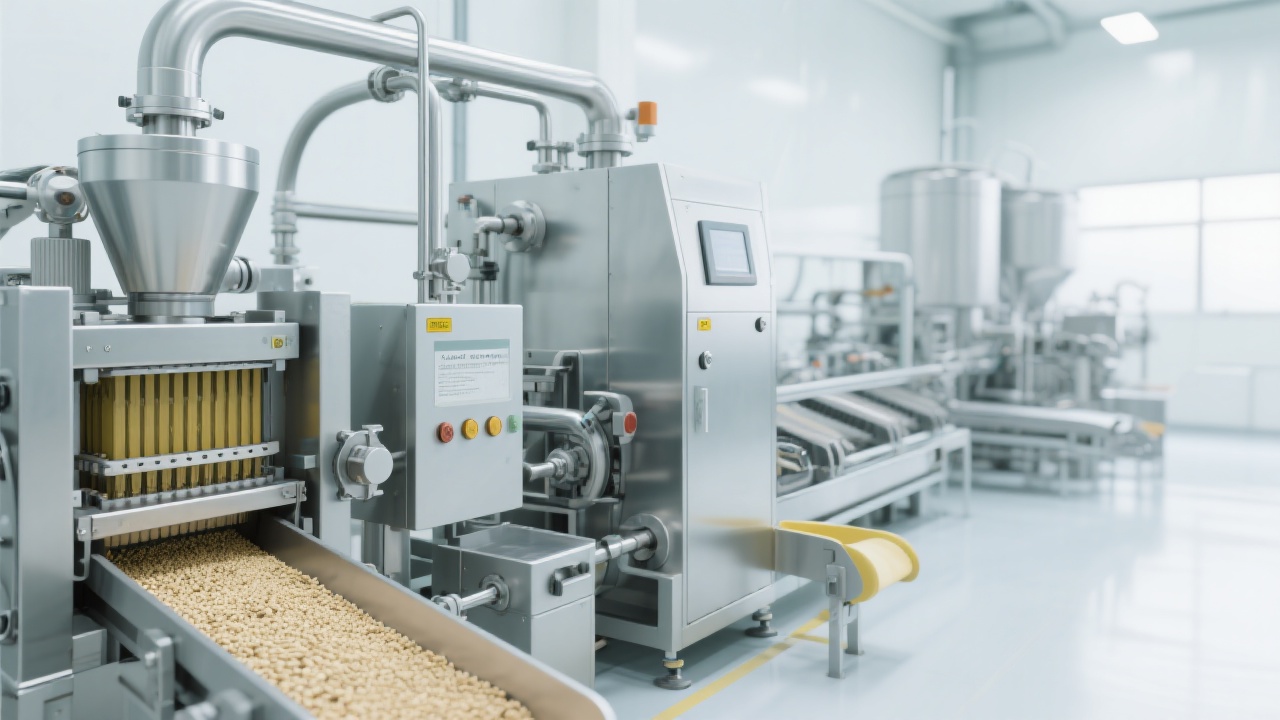
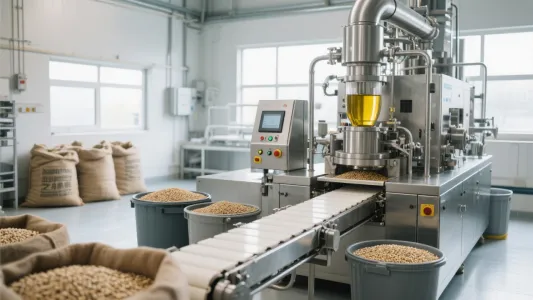
In the global market of edible oils, sesame oil holds a special place due to its unique flavor and nutritional value. The application of screw pressing technology in sesame oil production has become a key factor for export - oriented enterprises to increase efficiency and reduce costs. This article will comprehensively analyze the entire process of sesame oil pressing.
The first step in high - quality sesame oil production is raw material selection. High - quality sesame seeds should have an impurity content of ≤0.5%. Sesame with a high impurity content can not only affect the pressing efficiency but also reduce the quality of the final product. For instance, impurities may cause blockages in the pressing equipment and reduce the clarity of the oil.

After raw material selection, the cleaning process is crucial. Mechanical impurity removal combined with air - selection techniques can effectively improve the purity of sesame seeds. Mechanical impurity removal can remove large - sized impurities, while air - selection can separate light impurities such as dust and chaff. According to industry data, a well - executed cleaning process can increase the subsequent pressing efficiency by 10% - 15%.
There are two main methods in sesame oil pressing: cold pressing and hot pressing. Cold pressing can retain more nutrients. For example, cold - pressed sesame oil can retain up to 80% of vitamin E, which is beneficial for human health. On the other hand, hot - pressed sesame oil has a stronger flavor, which is more popular in some regions. Operators need to choose the appropriate pressing method according to market demand.

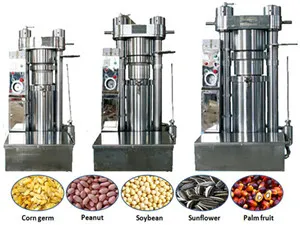
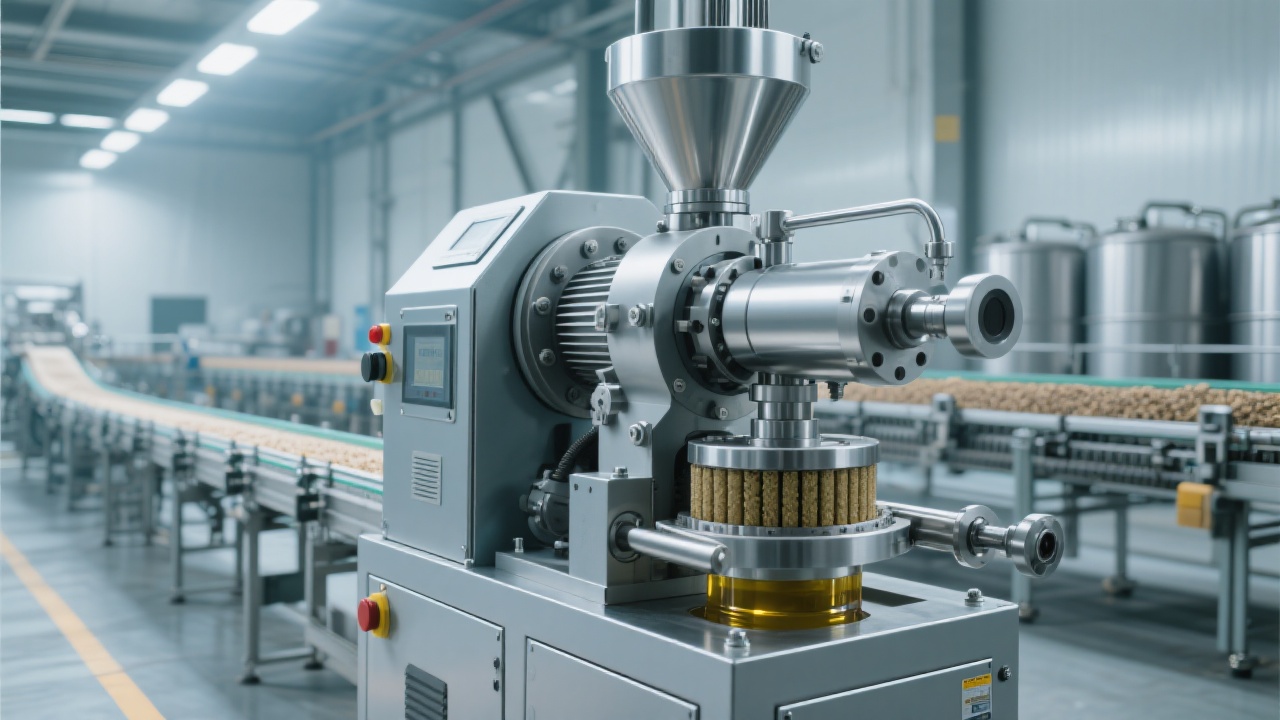
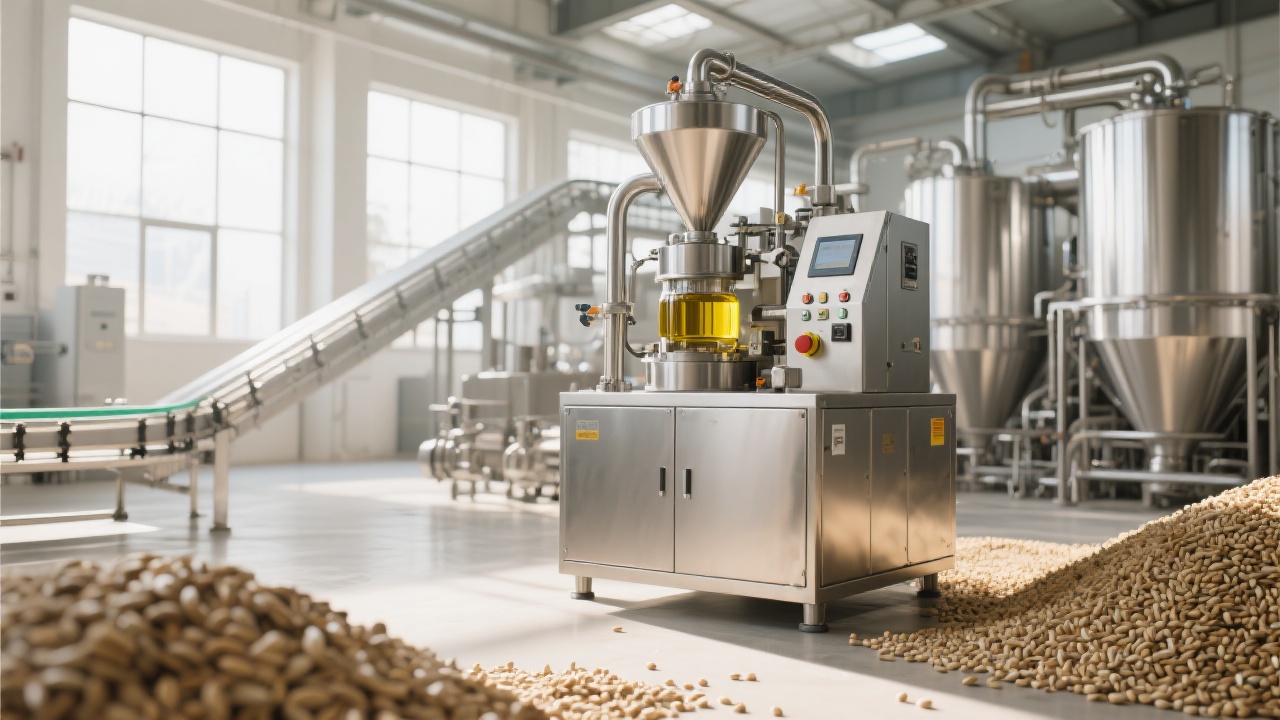
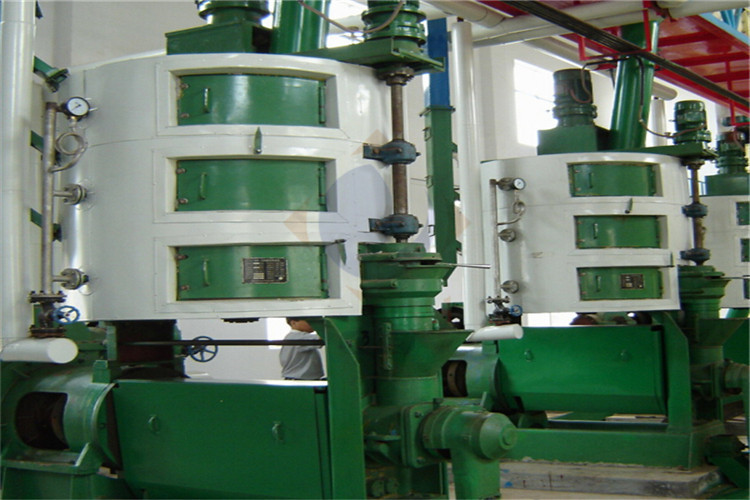
Adjusting the core parameters of screw pressing equipment is the key to improving the oil - extraction rate. The pitch, rotation speed, and feeding speed need to be matched according to different sesame batches. For new operators, it may take some time to master these adjustment skills. However, with experience, they can significantly increase the oil - extraction rate by 15% - 25%.
During the pressing process, some common faults may occur, such as blockages, uneven oil output, and turbid oil quality. For blockages, operators can adjust the feeding speed and check for foreign objects in the equipment. To solve the problem of uneven oil output, they need to adjust the pressure and temperature of the pressing process. As for turbid oil quality, improving the cleaning process and adding appropriate filtering steps can be effective solutions.

Let's take an export - oriented small factory as an example. By adjusting the pressing temperature and pressure, this factory achieved a 30% increase in daily production capacity. This case shows that proper parameter adjustment can bring significant benefits to enterprises.
In conclusion, if you want to improve the efficiency of sesame oil production and enhance the competitiveness of your products, mastering the screw pressing technology is essential. Do you have any questions or experiences to share about sesame oil pressing? Leave a comment below and let's discuss!
Want to learn about the configuration plan of a mini sesame oil machine suitable for your workshop? Click here to view details.
 418
|
418
|
 Benefits of cold-pressed sesame oil
Can hot-pressed sesame oil be consumed
How to make sesame oil at home
Nutritional components of sesame oil
Cold-pressed vs hot-pressed sesame oil
Benefits of cold-pressed sesame oil
Can hot-pressed sesame oil be consumed
How to make sesame oil at home
Nutritional components of sesame oil
Cold-pressed vs hot-pressed sesame oil
 397
|
customized vegetable oil production line
oilseed pre-treatment technology
high ROI oil processing solutions
397
|
customized vegetable oil production line
oilseed pre-treatment technology
high ROI oil processing solutions
 200
|
Sesame oil extraction equipment
Sesame edible oil manufacturing machine
Comparison of pressing and solvent extraction processes
Sesame oil quality improvement
Sesame oil production technology
200
|
Sesame oil extraction equipment
Sesame edible oil manufacturing machine
Comparison of pressing and solvent extraction processes
Sesame oil quality improvement
Sesame oil production technology
 175
|
sesame oil cold press technology
sesame oil hot press process
sesame oil extraction efficiency
sesame oil nutritional retention
modern oil pressing equipment
175
|
sesame oil cold press technology
sesame oil hot press process
sesame oil extraction efficiency
sesame oil nutritional retention
modern oil pressing equipment
 56
|
Stainless Steel Sesame Oil Press Machine
Sesame Oil Press Machine
High Yield Sesame Oil Press
Cold Pressing Sesame Oil Machine
Hot Pressing Sesame Oil Press
Hydraulic Sesame Oil Press Machine
Durable Stainless Steel Oil Press
Food Industry Oil Extraction
Sesame Oil Production Equipment
Energy Efficient Sesame Oil Press
56
|
Stainless Steel Sesame Oil Press Machine
Sesame Oil Press Machine
High Yield Sesame Oil Press
Cold Pressing Sesame Oil Machine
Hot Pressing Sesame Oil Press
Hydraulic Sesame Oil Press Machine
Durable Stainless Steel Oil Press
Food Industry Oil Extraction
Sesame Oil Production Equipment
Energy Efficient Sesame Oil Press





.jpg?x-oss-process=image/resize,m_fill,h_300,w_300/format,webp)