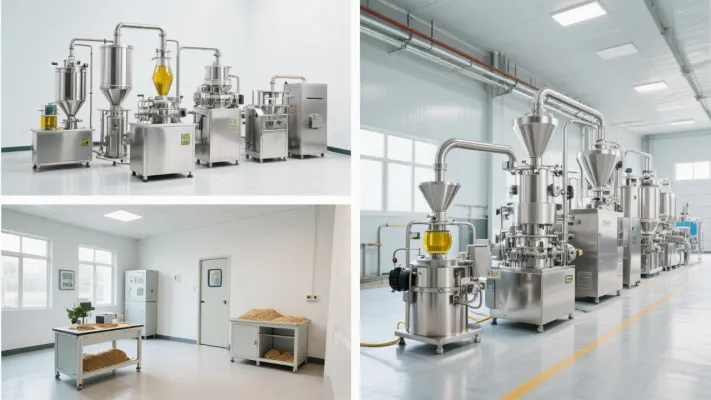
When you produce sesame oil at home or in a small workshop, preventing oxidation is essential to maintaining freshness, aroma, and nutritional value. Oxidized sesame oil not only loses its characteristic flavor but also reduces its export potential and market competitiveness. Let's explore key methods to slow down oxidative degradation, focusing on raw material selection, cold-press techniques, storage conditions, and common pitfalls.
The foundation for oxidation resistance starts with selecting high-quality sesame seeds. Opt for fresh, undamaged, and clean seeds with low moisture content (preferably below 8%). Seeds stored for long periods or exposed to heat and humidity accelerate lipid oxidation during oil extraction. Ensuring proper seed storage prior to pressing minimizes initial oxidation risk.
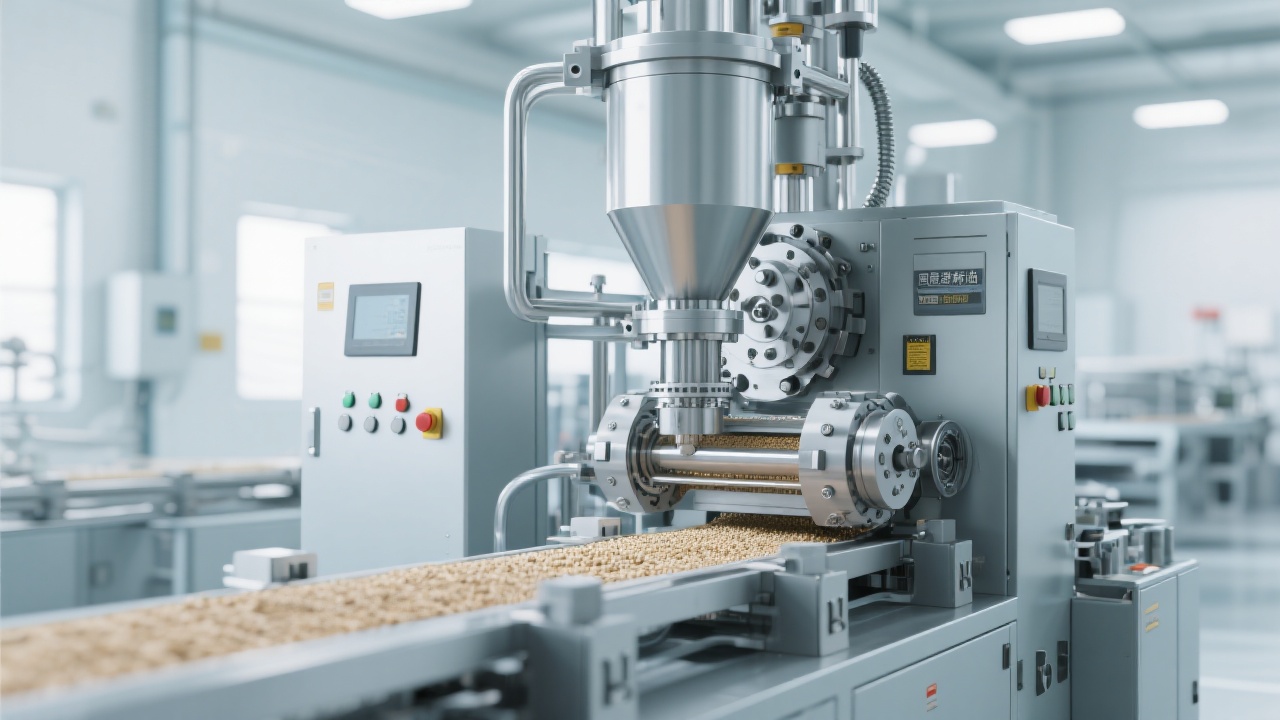
Cold-press extraction keeps the oil temperature under 50°C, preserving natural antioxidants like sesamol and sesamin, which protect oil molecules from oxidative damage. If your process exceeds this temperature, antioxidant compounds degrade rapidly, shortening shelf life. Using a professional-grade cold-press sesame oil machine not only improves oil yield but also locks in these vital components.
Expert Tip: "Maintaining extraction temperature below 45°C maximizes antioxidant retention, extending oil freshness by 25-30% compared to traditional pressing." — Industry Research Society
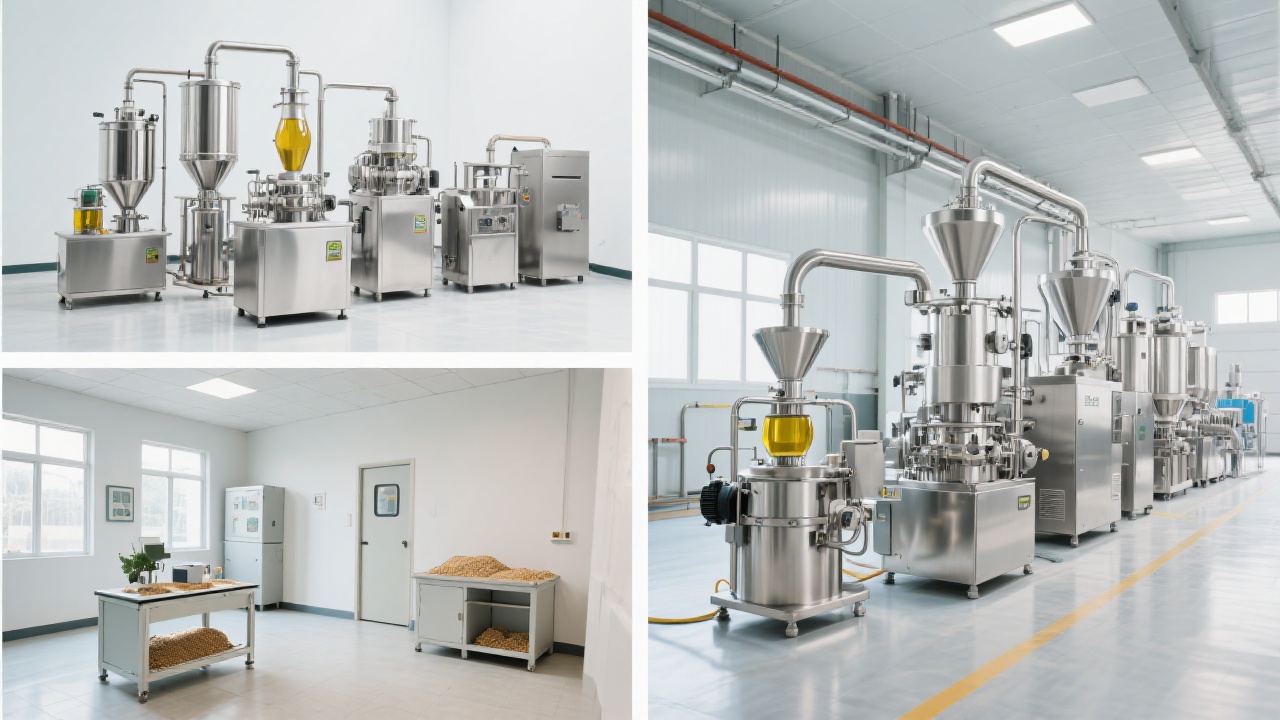
After extraction, improper storage is the most common reason for sesame oil spoilage. Avoid exposing your oil to light, heat, and oxygen, which speed up oxidation. Store sesame oil in dark, airtight containers at cool temperatures between 5°C to 20°C. Avoid fluctuations above 25°C, which can double the oxidation rate.
| Storage Factor | Recommended Range | Impact on Oil Quality |
|---|---|---|
| Temperature | 5°C - 20°C | Slows oxidation rate by 40-50% |
| Light Exposure | Complete darkness or amber glass | Prevents photodegradation & rancidity |
| Sealing | Air-tight container with minimal air space | Reduces oxygen contact & prolongs freshness |
There are a few myths that can mislead new users:
Instead, focus on careful seed handling, controlled pressing temperature, and excellent storage hygiene.
Clean equipment and containers prevent microbial contamination that can catalyze oil spoilage. Ensure all equipment is washed and sanitized after each batch. Avoid prolonged exposure of the oil to the air during bottling and storage. Regular training for operational staff on hygiene best practices is highly recommended.

By integrating these practical methods, you not only stabilize the sesame oil quality but also build user confidence and encourage repeat purchases in your export markets. Remember, using our cold-press sesame oil manufacturing machine ensures better retention of natural antioxidants, supporting long-lasting oil freshness and superior export-grade quality.





.jpg?x-oss-process=image/resize,m_fill,h_300,w_300/format,webp)

.jpg?x-oss-process=image/resize,m_fill,h_400,w_400/format,webp)