https://shmuker.oss-cn-hangzhou.aliyuncs.com/data/oss/65b068c3c2e9735675cac322/65b46cb67cfeb5177346777c/20240426173741/未标题-1_画板%201.png

Comparative Analysis of Pressing and Solvent Extraction Methods on Sesame Oil Yield and Quality
2025-12-19
QI ' E Group
Industry Research
Pressing and solvent extraction are the two primary techniques for sesame oil production, each presenting distinct advantages and limitations. This article provides a detailed comparison of these methods in terms of oil yield, nutrient retention, flavor impact, and equipment suitability. By integrating real-world case studies, it guides producers in selecting optimal approaches based on production scale—ranging from small home operations to large industrial setups. Critical process factors such as temperature control and filtration-degumming are explored for their decisive roles in final oil quality. Whether newcomers or seasoned professionals aiming to enhance efficiency, readers will uncover practical solutions to common issues like low yield and off-flavors, ultimately ensuring every drop of sesame oil is more fragrant, pure, and valuable.
https://shmuker.oss-accelerate.aliyuncs.com/data/oss/common/20241125095640/20241125/ad9b87e681e37916944e4f836b4e9bdf/O1CN01DUUlRt1t3yklgolGu_!!6000000005847-0-tbvideo.jpg

Comparative Analysis of Pressing and Solvent Extraction Methods in Sesame Oil Production

Sesame oil extraction has long relied on two primary industrial techniques: mechanical pressing and solvent extraction. Each possesses unique advantages and limitations that significantly impact oil yield, nutritional profile, aroma, and suitability for various production scales. This article provides an in-depth comparison founded on data from pilot tests and factory implementations, enabling producers—whether operating artisanal setups or large-scale plants—to make informed decisions optimizing both quantity and quality of sesame oil.

Core Principles and Suitable Applications

The pressing method employs mechanical force to extract oil directly from toasted sesame seeds. Typical yields range from 35% to 45%, depending on seed quality and equipment precision. It boasts minimal chemical intervention, preserving most natural antioxidants and imparting a characteristic roasted aroma highly valued in culinary markets.

By contrast, solvent extraction uses hexane or equivalent solvents to dissolve the oil, offering higher extraction efficiency—up to 50-55%. This method fits industrial-scale operations where maximizing output and cost-effectiveness are priorities. However, residual solvents and thermal effects may reduce certain heat-sensitive nutrients and alter flavor profiles.

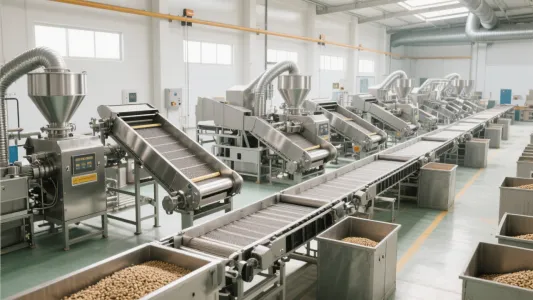
Detailed flowchart comparing sesame oil pressing and solvent extraction processes
Figure 1: Comprehensive Process Flow Comparison—Pressing vs Solvent Extraction

Performance Metrics: Yield, Energy, and Nutrition

Comparative pilot data from regional producers illustrate several measurable distinctions:

  • Oil Yield: Pressing achieves approximately 40% oil extract; solvent extraction reaches around 52%—a 30% relative increase.
  • Energy Consumption: Pressing requires 10-15 kWh per 100 kg seeds, largely due to mechanical pressure and seed conditioning; solvent extraction demands ~20 kWh, factoring in solvent recovery units.
  • Nutrient Retention: Pressed oils preserve up to 70% of natural antioxidants (sesamin, sesamolin), while solvent extraction retains closer to 50% due to heat and solvent exposure.
  • Residue Solvent Levels: Modern solvent extractors equipped with efficient desolventizers reduce hexane residues below 10 ppm, meeting international food safety thresholds.

Temperature Management and Flavor Integrity

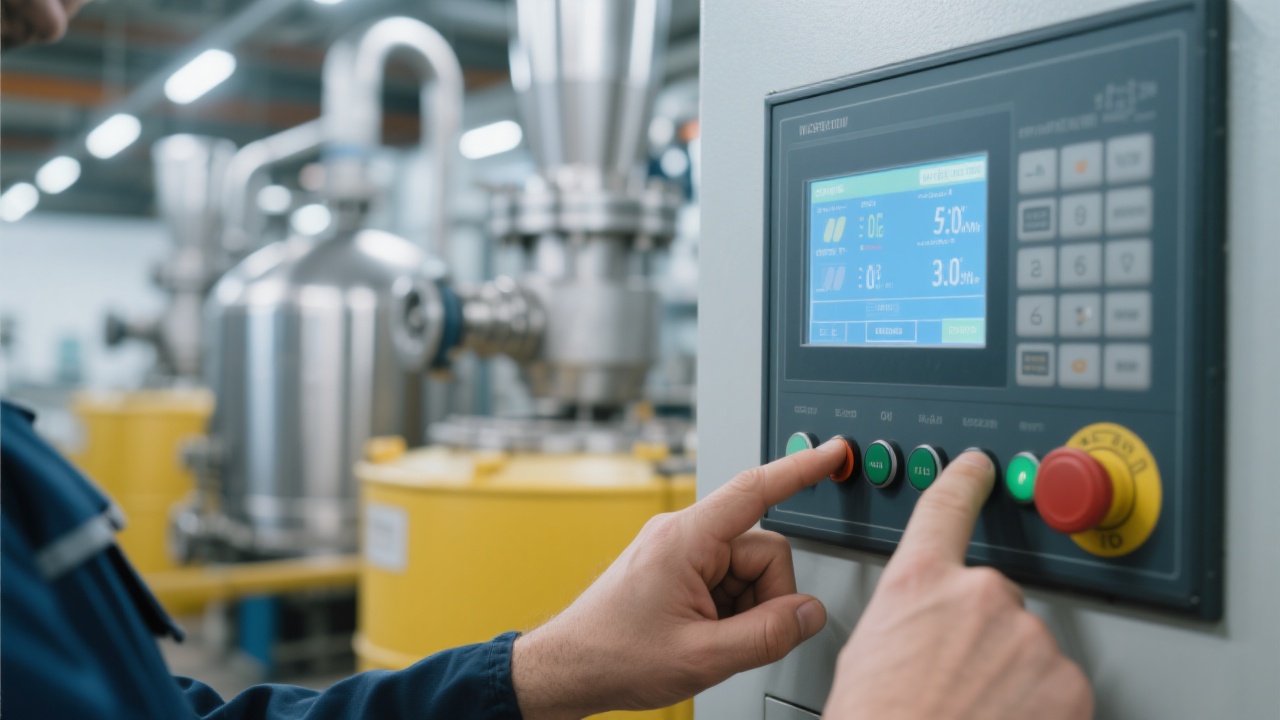
Temperature control is paramount for balancing oil quality and production efficiency. Excessive heat during pressing (>120°C) can degrade flavor compounds and increase oxidation, yielding a rancid aftertaste. Advanced cold-press equipment with adjustable heating zones, such as the latest XX Model oil press system, enables operators to maintain optimal ranges (90-110°C), preserving the characteristic nutty flavor and color clarity.

Enhancing Purity Through Filtration and Degumming

Post-extraction refining steps profoundly affect shelf life and product value. Incorporating multistage filtration with micron filtration membranes and chemical degumming removes phospholipids, free fatty acids, and impurities that cause turbidity and off-odors. Factories implementing these measures report a 25-30% improvement in oil clarity and a 20% extension in anti-oxidative stability under standard storage conditions.

Microscopic view depicting filtration and degumming efficacy in sesame oil clarity enhancement
Figure 2: Filtration and Degumming Process Improving Sesame Oil Purity

Troubleshooting Common Production Challenges

Producers often face issues such as low oil output and unusual flavors. In practice, these often stem from:

  • Low yield: Seeds with high moisture content (>8%) or non-ideal particle size reduce pressing efficiency.
  • Off-flavors: Overheating during toasting or residual solvent presence in poorly managed extraction cycles.
  • Equipment misalignment: Inconsistent press pressure or solvent saturation impair extraction uniformity.

Adjusting parameters such as drying times, particle milling fineness, temperature settings, and solvent ratios—supported by real-time sensor data on models like the XX Extraction Optimizer—has proven effective in enhancing both yield and sensory quality.

“Implementing precision temperature control combined with targeted filtration has not only elevated our oil output by 15% but also distinctly improved flavor and shelf stability.” — Factory Manager, Leading Sesame Oil Producer
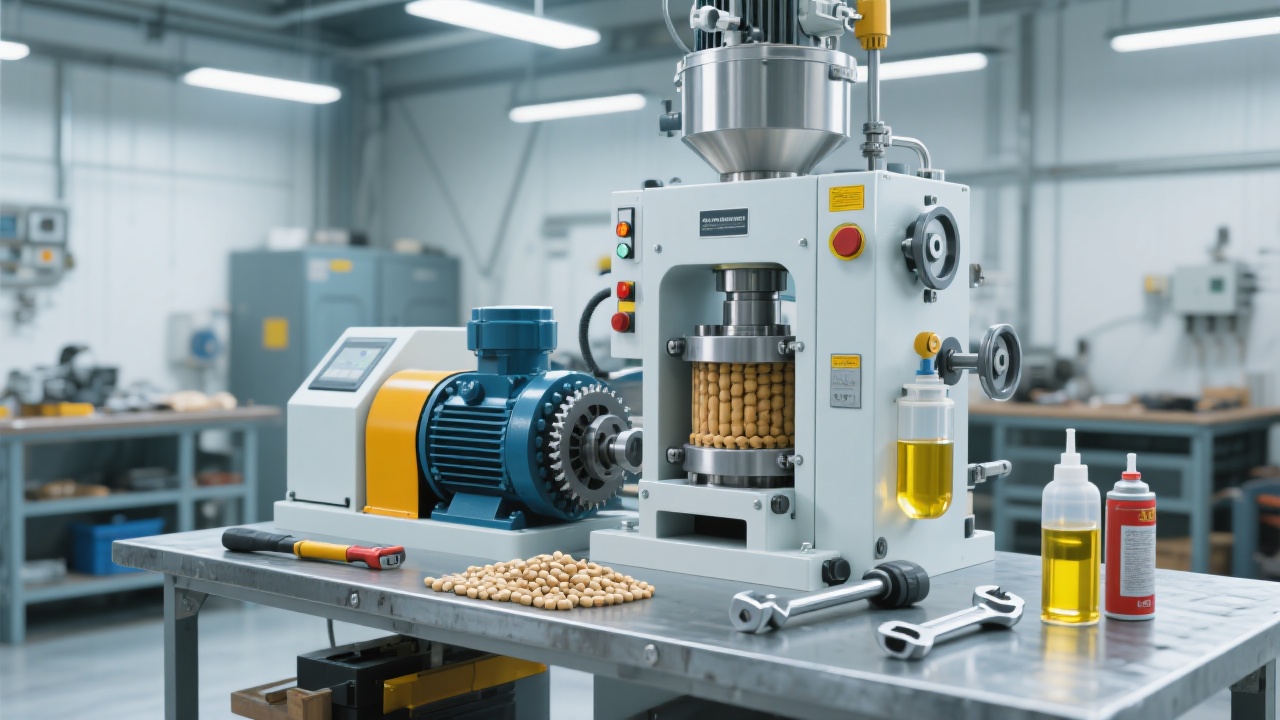
Side-by-side comparison of sesame oil samples extracted by pressing and solvent extraction methods
Figure 3: Sensory and quality characteristics under different extraction techniques

Frequently Asked Questions

Q1: Which method is better for small-scale producers?
A1: Mechanical pressing is typically preferred for small-scale due to lower initial investments and simpler operation, preserving traditional taste and higher purity.
Q2: Can solvent extraction methods guarantee zero solvent residues?
A2: Modern equipment with advanced desolventizing technology reduces residues to below regulatory limits (under 10 ppm), ensuring consumer safety.
Q3: How critical is temperature control during extraction?
A3: Temperature directly impacts oil flavor and oxidation stability. Keeping temperature within 90-110°C during pressing maximizes oil quality.
Q4: What equipment upgrades can improve oil yield?
A4: Investing in presses with adjustable pressure and heating controls or solvent extractors with optimized recovery units enhances both yield and quality consistently.
Recommended Products
Related Reading
https://shmuker.oss-accelerate.aliyuncs.com/data/oss/20250722/832f0934fb37e2858dc0dd4be46410fc/eabc86d6-1212-460e-afb7-2ec95e6926b9.jpeg
2025-07-28 | https://shmuker.oss-accelerate.aliyuncs.com/tmp/temporary/60ec5bd7f8d5a86c84ef79f2/60ec5bdcf8d5a86c84ef7a9a/20240305161110/eye.png 112 | https://shmuker.oss-accelerate.aliyuncs.com/tmp/temporary/60ec5bd7f8d5a86c84ef79f2/60ec5bdcf8d5a86c84ef7a9a/20240305160636/lable.png cold pressed sesame oil benefits hot pressed sesame oil characteristics sesame oil extraction process high quality sesame oil selection homemade sesame oil recipe
https://shmuker.oss-accelerate.aliyuncs.com/data/oss/65b068c3c2e9735675cac322/65b0a486107bc6700293c9bf/油籽压榨-3.jpg
2025-05-26 | https://shmuker.oss-accelerate.aliyuncs.com/tmp/temporary/60ec5bd7f8d5a86c84ef79f2/60ec5bdcf8d5a86c84ef7a9a/20240305161110/eye.png 244 | https://shmuker.oss-accelerate.aliyuncs.com/tmp/temporary/60ec5bd7f8d5a86c84ef79f2/60ec5bdcf8d5a86c84ef7a9a/20240305160636/lable.png peanut oil extraction methods high-quality peanut oil production oil yield enhancement techniques
https://shmuker.oss-accelerate.aliyuncs.com/data/oss/65b068c3c2e9735675cac322/668263a4df9f6e7a1281439c/20240903161419/Sesame-oil-press-machines.jpg
2025-08-14 | https://shmuker.oss-accelerate.aliyuncs.com/tmp/temporary/60ec5bd7f8d5a86c84ef79f2/60ec5bdcf8d5a86c84ef7a9a/20240305161110/eye.png 281 | https://shmuker.oss-accelerate.aliyuncs.com/tmp/temporary/60ec5bd7f8d5a86c84ef79f2/60ec5bdcf8d5a86c84ef7a9a/20240305160636/lable.png Sesame oil industrial production line Sesame oil processing flow Edible oil production process optimization Cold - pressed sesame oil technology Fully automatic oil press
https://shmuker.oss-accelerate.aliyuncs.com/data/oss/65b068c3c2e9735675cac322/668263a4df9f6e7a1281439c/20240903161419/sesame-oil%20(3).jpg
2025-10-02 | https://shmuker.oss-accelerate.aliyuncs.com/tmp/temporary/60ec5bd7f8d5a86c84ef79f2/60ec5bdcf8d5a86c84ef7a9a/20240305161110/eye.png 62 | https://shmuker.oss-accelerate.aliyuncs.com/tmp/temporary/60ec5bd7f8d5a86c84ef79f2/60ec5bdcf8d5a86c84ef7a9a/20240305160636/lable.png sesame oil cold pressing hot pressing oil quality sesame oil press machine upgrade high-efficiency sesame oil production technology sesame oil quality improvement solutions
https://shmuker.oss-accelerate.aliyuncs.com/data/oss/common/20240703144204/20240703/9902daf265fe411597e851f2736fc4b4.jpg
2025-05-27 | https://shmuker.oss-accelerate.aliyuncs.com/tmp/temporary/60ec5bd7f8d5a86c84ef79f2/60ec5bdcf8d5a86c84ef7a9a/20240305161110/eye.png 298 | https://shmuker.oss-accelerate.aliyuncs.com/tmp/temporary/60ec5bd7f8d5a86c84ef79f2/60ec5bdcf8d5a86c84ef7a9a/20240305160636/lable.png palm oil refining equipment energy-efficient oil processing automated palm oil production

Hot Products
Popular articles
Recommended Reading
Contact us
Contact us
https://shmuker.oss-cn-hangzhou.aliyuncs.com/tmp/temporary/60ec5bd7f8d5a86c84ef79f2/60ec5bdcf8d5a86c84ef7a9a/thumb-prev.png