At the molecular level, heat energy plays a crucial role in promoting the release of oil from sesame seeds. When sesame seeds are heated, the thermal energy breaks the bonds between oil molecules and other components in the seeds. For example, the cell walls of sesame seeds contain various polymers that hold the oil. Heat softens these polymers, allowing the oil to flow more freely. According to scientific research, an increase in temperature can significantly reduce the viscosity of the oil, making it easier to separate from the solid residues. This mechanism is the foundation for understanding how to improve the sesame oil extraction rate.

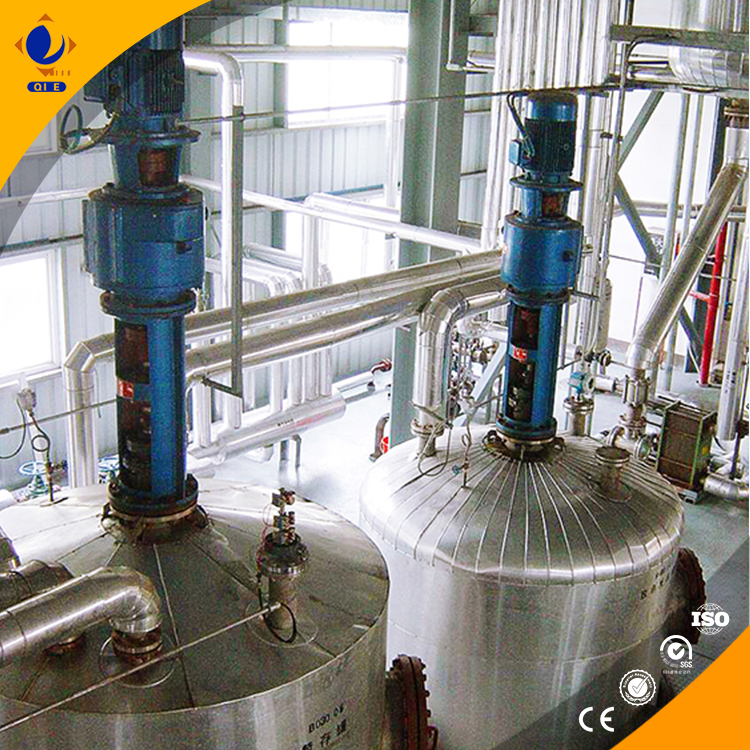
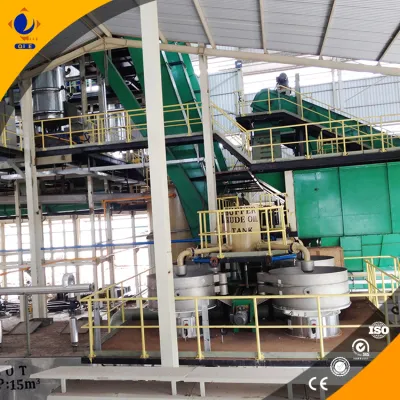
In industrial settings, large-scale sesame oil production requires precise temperature control to ensure high efficiency and consistent quality. Industrial equipment is often equipped with advanced temperature sensors and control systems that can maintain a stable temperature throughout the extraction process. However, energy consumption is also a major concern. Therefore, industrial operators need to find a balance between precise temperature control and energy savings. On the other hand, small-scale equipment, such as those used in local workshops, may have more limited temperature control capabilities. But they can still achieve good results by using simple yet effective temperature control methods. For instance, small-scale operators can use insulated containers to maintain a relatively stable temperature during the extraction process.
The temperature during the raw material pretreatment stage has a decisive impact on the subsequent oil extraction rate. Drying temperature is a critical factor. If the drying temperature is too high, it may cause the sesame seeds to lose moisture too quickly, resulting in hardening of the seeds and reducing the oil yield. On the other hand, if the drying temperature is too low, the seeds may not be dried thoroughly, which can lead to mold growth and affect the quality of the oil. In addition, the crushing granularity of the sesame seeds also affects the oil extraction rate. A proper crushing granularity can increase the surface area of the seeds, allowing more oil to be released during the extraction process. Research shows that a drying temperature of around 60 - 70°C and a suitable crushing granularity can significantly improve the oil extraction rate.
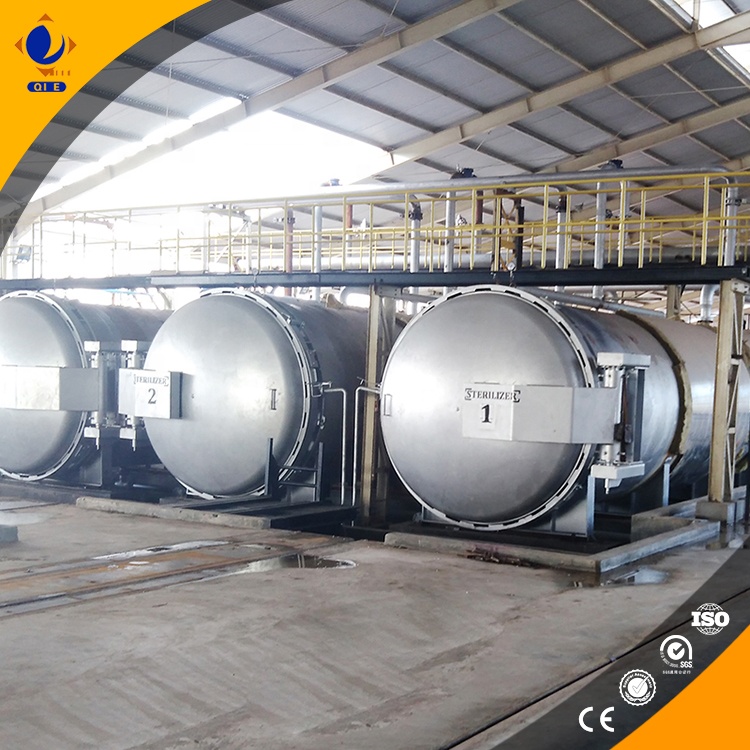
During the pressing stage, maintaining the right temperature is crucial to avoid high-temperature oxidation, which can cause flavor loss in the sesame oil. Through a series of experiments, it has been found that the optimal temperature range for pressing sesame oil is between 80 - 90°C. At this temperature range, the oil can be effectively extracted while minimizing the oxidation of the oil. For example, when the temperature exceeds 90°C, the oil may start to oxidize, resulting in a loss of the characteristic flavor of sesame oil and the formation of unpleasant odors. Therefore, using equipment with precise temperature control, such as those equipped with intelligent temperature control modules, can help maintain the optimal pressing temperature and ensure the quality of the oil.
In the oil purification stage, temperature also plays an important role in the impurity removal efficiency. During the filtration and degumming process, the temperature affects the solubility and viscosity of the impurities in the oil. A proper temperature can make the impurities easier to separate from the oil. For example, in the filtration process, a slightly higher temperature can reduce the viscosity of the oil, allowing it to pass through the filter more easily. However, if the temperature is too high, it may cause some of the beneficial components in the oil to be lost. Therefore, a temperature of around 50 - 60°C is generally recommended for the filtration and degumming process.
When facing problems such as low oil extraction rate or the generation of unpleasant odors, temperature is often one of the main factors. If the oil extraction rate is low, it may be due to improper temperature control during the pretreatment or pressing stage. For example, if the drying temperature is too low or the pressing temperature is not within the optimal range, the oil may not be fully released. If there is an unpleasant odor in the oil, it may be caused by high-temperature oxidation during the pressing or purification stage. By carefully checking and adjusting the temperature settings, these problems can often be solved.

Q: What is the best temperature for drying sesame seeds?
A: A drying temperature of around 60 - 70°C is generally recommended.
Q: What is the optimal pressing temperature range?
A: The optimal pressing temperature range is between 80 - 90°C.
Are you looking to improve your sesame oil production efficiency and quality? Our advanced sesame oil extraction equipment, equipped with intelligent temperature control modules, can help you achieve these goals. Click here to learn more about our products!

 361
|
361
|
 seed preprocessing line for oil extraction
efficient plant oil processing equipment
versatile oilseed preprocessing technology
seed preprocessing line for oil extraction
efficient plant oil processing equipment
versatile oilseed preprocessing technology
 463
|
Cold-pressed sesame oil
Benefits of cold-pressed sesame oil
Homemade sesame oil
Chinese cuisine seasoning
Export potential of sesame oil
463
|
Cold-pressed sesame oil
Benefits of cold-pressed sesame oil
Homemade sesame oil
Chinese cuisine seasoning
Export potential of sesame oil
 156
|
peanut oil production techniques
hot pressed vs cold pressed peanut oil
oil cake reutilization
156
|
peanut oil production techniques
hot pressed vs cold pressed peanut oil
oil cake reutilization
 461
|
high-quality peanut oil production
peanut oil roasting temperature secrets
peanut oil extraction process
461
|
high-quality peanut oil production
peanut oil roasting temperature secrets
peanut oil extraction process
 411
|
cold-pressed sesame oil process
cold-pressed vs hot-pressed sesame oil
sesame oil nutritional benefits
health food cooking oils
EU US edible oil market trends
411
|
cold-pressed sesame oil process
cold-pressed vs hot-pressed sesame oil
sesame oil nutritional benefits
health food cooking oils
EU US edible oil market trends





.jpg?x-oss-process=image/resize,m_fill,h_300,w_300/format,webp)


.jpg?x-oss-process=image/resize,m_fill,h_400,w_400/format,webp)

.jpg)