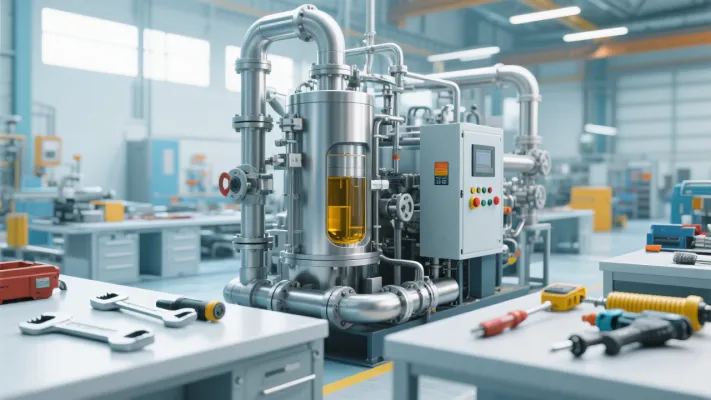
As the demand for high - quality sesame oil continues to rise, medium and large - scale sesame oil production lines have become the backbone of many factories. However, one of the most challenging issues faced by factory managers and technicians is the high downtime rate of these production lines. In this article, we'll share a real - world case study on how to reduce the downtime rate of medium and large - scale sesame oil production lines through effective equipment maintenance.
The first step in reducing downtime is to start with proper equipment selection. Different models of medium and large - scale sesame oil presses have varying levels of automation and performance. For example, a fully automated press can increase production efficiency by up to 30% compared to semi - automated ones. Understanding the operation mechanism and automation level of the equipment is crucial. A well - selected press should have a stable operation mechanism, with fewer mechanical failures and lower maintenance requirements.
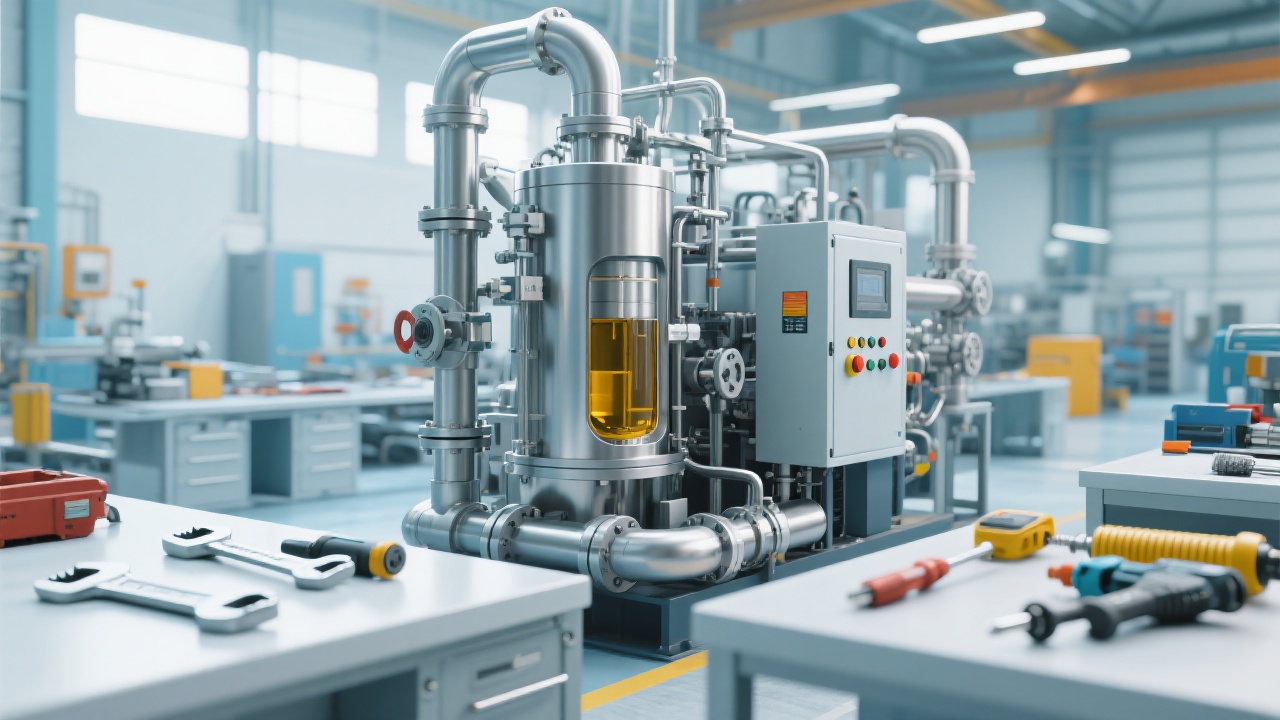
During the production process, several common problems can lead to production line downtime. According to industry statistics, about 40% of downtime is caused by equipment wear and tear, 30% by improper operation, and 20% by environmental factors. For instance, if the press is not cleaned regularly, sesame residue can accumulate, leading to blockages and reduced performance.
Regular maintenance is the key to reducing downtime. Here are some specific maintenance measures:
Cleaning the equipment after each production cycle can prevent the accumulation of residues. A clean press can operate more smoothly, reducing the risk of blockages. It is recommended to use specialized cleaning agents to ensure thorough cleaning.
Proper lubrication of moving parts can reduce friction and wear. Different parts of the press require different types of lubricants. For example, high - temperature lubricants are needed for parts close to the heating elements. Lubrication should be carried out at least once a week for continuous - operation presses.
Regularly inspect key components such as the pressing screw, heating elements, and electrical systems. Replace worn - out parts in a timely manner. A preventive inspection once a month can detect potential problems before they cause major breakdowns.

Let's take a look at a real - world customer case. A sesame oil factory was facing a high downtime rate of about 20% per month, which significantly affected production efficiency and profitability. After implementing a comprehensive equipment maintenance plan, including regular cleaning, lubrication, and component inspection, the downtime rate was reduced to less than 5% within three months. This not only increased the production efficiency by 25% but also extended the equipment's service life by an estimated 2 - 3 years.
When selecting equipment, comparing technical parameters is essential. Some important parameters include processing capacity, oil extraction rate, and power consumption. For example, a press with a higher oil extraction rate can produce more oil with the same amount of raw materials, reducing production costs. In addition, proper operation tips, such as correct feeding speed and temperature control, can also improve production efficiency and reduce the risk of equipment failure.
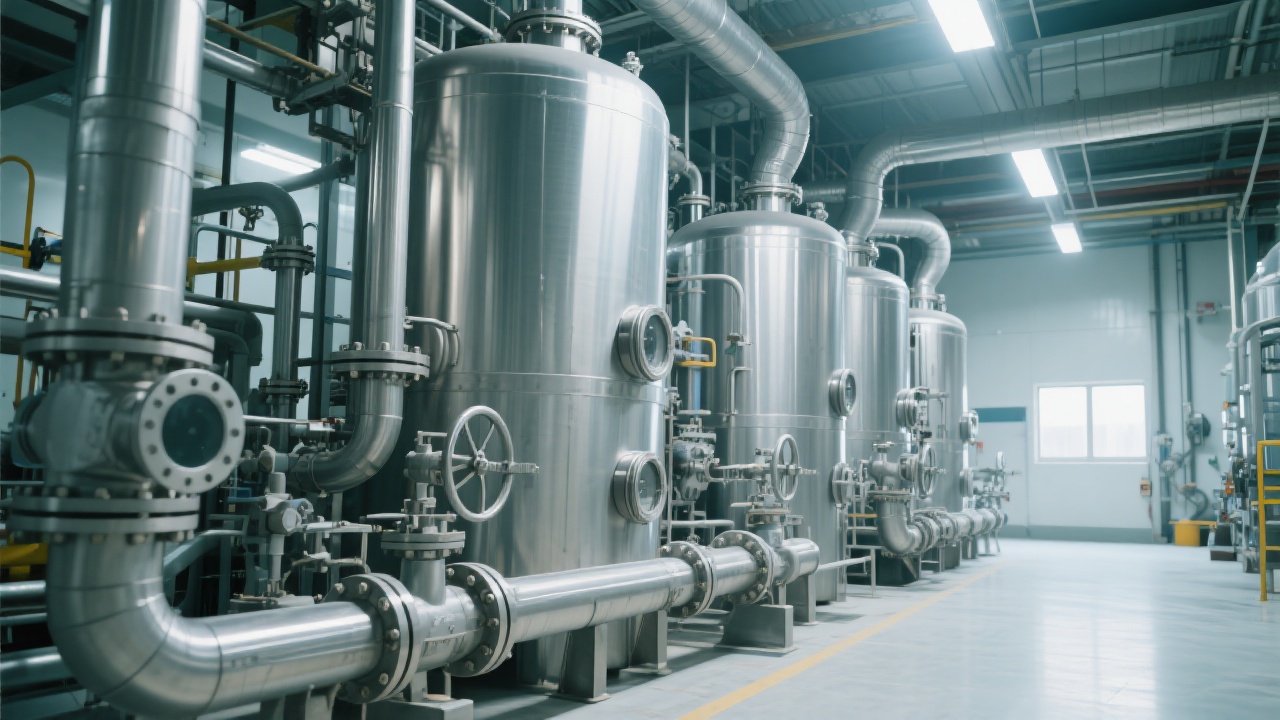
The production environment also has a significant impact on equipment performance. Maintaining a clean, dry, and well - ventilated environment can prevent corrosion and electrical failures. A well - designed equipment maintenance plan should be based on the actual production situation, including daily, weekly, monthly, and annual maintenance tasks. This plan can ensure that the equipment is always in good working condition.
In conclusion, by implementing scientific equipment maintenance, optimizing operation processes, and effectively troubleshooting, factory managers and technicians can significantly reduce the downtime rate of medium and large - scale sesame oil production lines. If you want to learn more about how to maintain your sesame oil equipment and reduce downtime, get a complete equipment maintenance checklist and book a free technical consultation.





