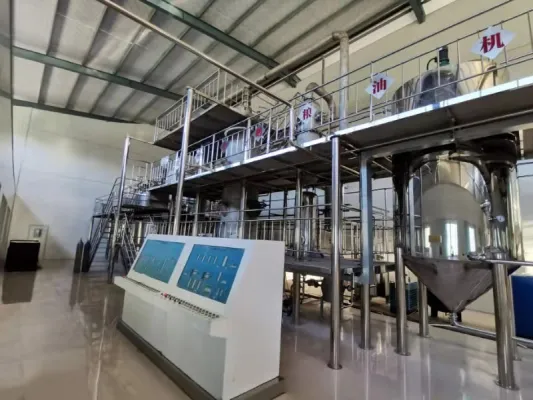
For small to mid-sized oil producers aiming to meet global standards, refining sesame oil isn’t just about removing impurities—it’s a precision science that directly impacts shelf life, flavor stability, and brand reputation. According to industry data from the International Oleochemical Society (IOS), up to 40% of quality complaints in edible oils stem from poor refining control—not raw material issues.
In refining, temperature is one of the most overlooked yet critical variables. A study by China Food Research Institute found that maintaining a consistent refining temperature between 170°C–180°C reduces oxidation by over 65% compared to fluctuating processes. Excess heat not only degrades essential fatty acids but also increases free radical formation—leading to faster rancidity and lower consumer trust.
| Process Step | Ideal Temp Range (°C) | Impact of Deviation |
|---|---|---|
| Neutralization | 170–180 | Above 185°C causes soap stock degradation → higher acidity |
| Bleaching | 100–120 | Too high = pigment loss + reduced antioxidant retention |
| Deodorization | 220–240 | Overheating = vitamin E destruction + off-flavors |
Manual operations in refining lead to variability—up to 15% batch-to-batch inconsistency in viscosity and cloud point, according to a 2023 report by Global AgriTech Insights. Automated systems with real-time feedback loops ensure uniformity across production runs, especially vital when exporting to EU or North America where compliance audits are strict.
One Malaysian processor reported a 30% drop in rejected batches after integrating PLC-based temperature and pressure controls—an outcome that translated into $120K/year savings in waste reduction alone.
“We didn’t realize how much our manual process was costing us until we measured it. Now every bottle tastes the same—and so does our customer satisfaction.”— Lin Wei, Production Manager, Golden Seed Oil Co.
A Nigerian oil mill used our refined workflow to cut processing time by 22% while improving clarity index from 92% to 98%. Their secret? Implementing pre-filtering before degumming and using continuous flow reactors instead of batch tanks. These changes allowed them to scale without compromising quality—a key factor in winning contracts with major distributors in the Middle East.
These aren’t isolated cases—they’re replicable strategies for any sesame oil producer ready to move beyond basic extraction and embrace modern refining as a competitive advantage.
Ready to transform your sesame oil output? Let us help you design a customized optimization plan tailored to your equipment, market goals, and regulatory needs. Whether you're targeting Europe, Asia, or the U.S., we’ll show you how to turn technical refinement into brand value.
Get Your Free Process Audit Today




.jpg?x-oss-process=image/resize,m_fill,h_300,w_300/format,webp)


