Optimizing Sesame Oil Extraction: Latest Pressing Technologies and Equipment Upgrades for Enhanced Efficiency and Quality
This article provides an in-depth analysis of the differences and optimization trends between cold pressing and hot pressing techniques in sesame oil extraction. It covers key factors such as temperature control, nutrient retention, and production efficiency improvements to help manufacturers select the most suitable pressing method based on their operation scale. Combining cutting-edge technological advancements and equipment upgrade examples, the article offers practical strategies to improve oil quality for the food, health supplement, and cosmetics industries, addressing the critical challenge of balancing aroma preservation with increased oil yield.
.jpg?x-oss-process=image/resize,h_400,m_lfit/format,webp)
Advancing Sesame Oil Extraction: Technology Trends and Equipment Upgrades
The landscape of sesame oil production is undergoing a transformative shift driven by the integration of advanced extraction technologies and optimized equipment. Unlocking both superior oil quality and enhanced productivity has become paramount for manufacturers across food, nutraceutical, and cosmetic industries. This article dissects the critical differences between cold and hot pressing techniques, evaluates process-driven effects on oil composition, and highlights the latest equipment upgrades that enable efficient, scalable sesame oil extraction.
Understanding Sesame Oil Extraction: Cold Pressing vs. Hot Pressing
The fundamental distinction between cold pressing and hot pressing lies in the operating temperature. Cold pressing typically maintains temperature below 50°C, preserving volatile compounds and heat-sensitive nutrients. In contrast, hot pressing elevates temperatures to approximately 120–150°C, increasing oil yield but potentially degrading delicate bioactive components such as vitamin E and sesamin.
| Aspect |
Cold Pressing |
Hot Pressing |
| Operating Temperature |
Below 50°C |
120–150°C |
| Oil Yield Rate |
38%-42% |
45%-50% |
| Nutrient Retention |
High (Vitamin E, Sesamin intact) |
Moderate to Low |
| Flavor & Aroma |
Rich, natural fragrance preserved |
Less aromatic due to heat |
| Typical Use Cases |
Premium edible oils, cosmetics |
Bulk production, cooking oils |
Process Insights: Balancing Aroma Preservation with Enhanced Yield
Research indicates cold pressing retains over 85% of sesame oil’s native antioxidant capacity, compared to approx 60% in hot pressing. However, hot pressing pushes yield rates 15-20% higher on average. This trade-off is critical; industries focusing on health benefits and sensory quality prefer cold pressing, whereas cost-driven producers may opt for hot pressing with supplementary refining.
Adapting to Enterprise Scale: Selecting Suitable Pressing Solutions
From artisanal setups to industrial-scale operations, sesame oil producers face distinct needs:
- Small Workshops: Favor manual or semi-automatic cold press machines to ensure quality and craftsmanship.
- Medium-sized Factories: Implement hybrid models with temperature controls and stepwise pressing to balance yield and aroma retention.
- Large-scale Producers: Invest in fully automated, continuous hot pressing equipment integrated with energy-saving features.
.jpg)
Emerging Technology Trends in Sesame Oil Pressing Equipment
Recent innovations emphasize:
- Precision Temperature Control: Automated feedback systems maintain pressing temperature within ±2°C, optimizing nutrient retention.
- Multi-stage Pressing Designs: Sequential press chambers extract oil more thoroughly, increasing average yield by 8-10%.
- Energy Efficiency: Integration of variable frequency drives and waste heat recovery reduces power consumption up to 25% compared to legacy models.
“Precision pressing technology fundamentally shifts the production curve, enabling manufacturers to meet stringent quality benchmarks while scaling output sustainably.” — Industry Report, Global Oil Pressing Consortium, 2023
Case in Point: Factory-Level Upgrade Drives Quality and Capacity Gains
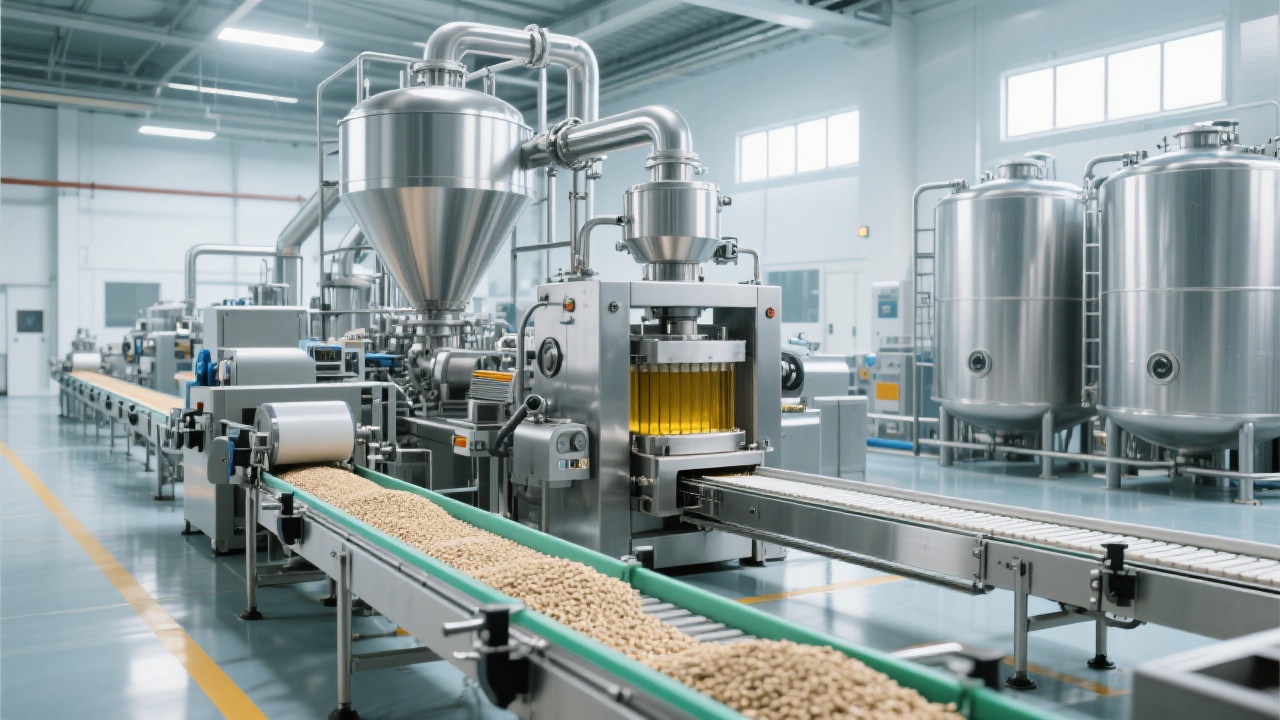
A mid-sized sesame oil producer in Southeast Asia transitioned from a hot pressing machine lacking temperature control to a fully automated cold pressing system featuring multi-level extraction. Within 12 months:
- Oil grade certification upgraded from Grade B to Grade A+
- Output increased by 30%, from 5 tons/day to 6.5 tons/day
- Antioxidant content improved by 22%, enhancing market competitiveness
- Energy consumption dropped by 18%, generating ~$24,000 annual savings
Choosing the Right Equipment: Recommendations Based on Production Objectives
Selecting an optimal sesame oil pressing machine must align with a company’s strategic priorities:
- If prioritizing nutritional integrity and flavor: Invest in advanced cold pressing equipment with real-time temperature adjustments and gentle extraction mechanisms.
- If focused on maximum yield and throughput: High-temperature multi-stage hot pressing systems deliver faster output at manageable nutrient trade-offs.
- For sustainability goals: Equipment featuring energy recovery and modular automation ensures long-term cost efficiency and environmental compliance.
Ready to optimize your sesame oil production with cutting-edge pressing technology?
Get Your Customized High-Efficiency Sesame Oil Production Solution Now