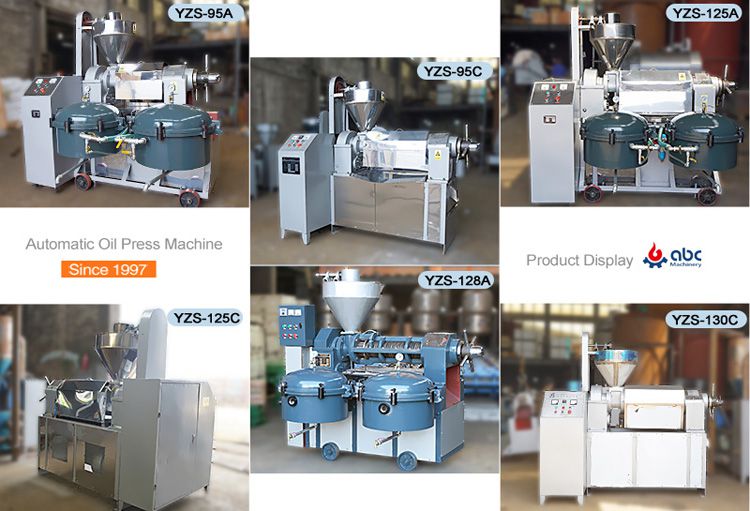
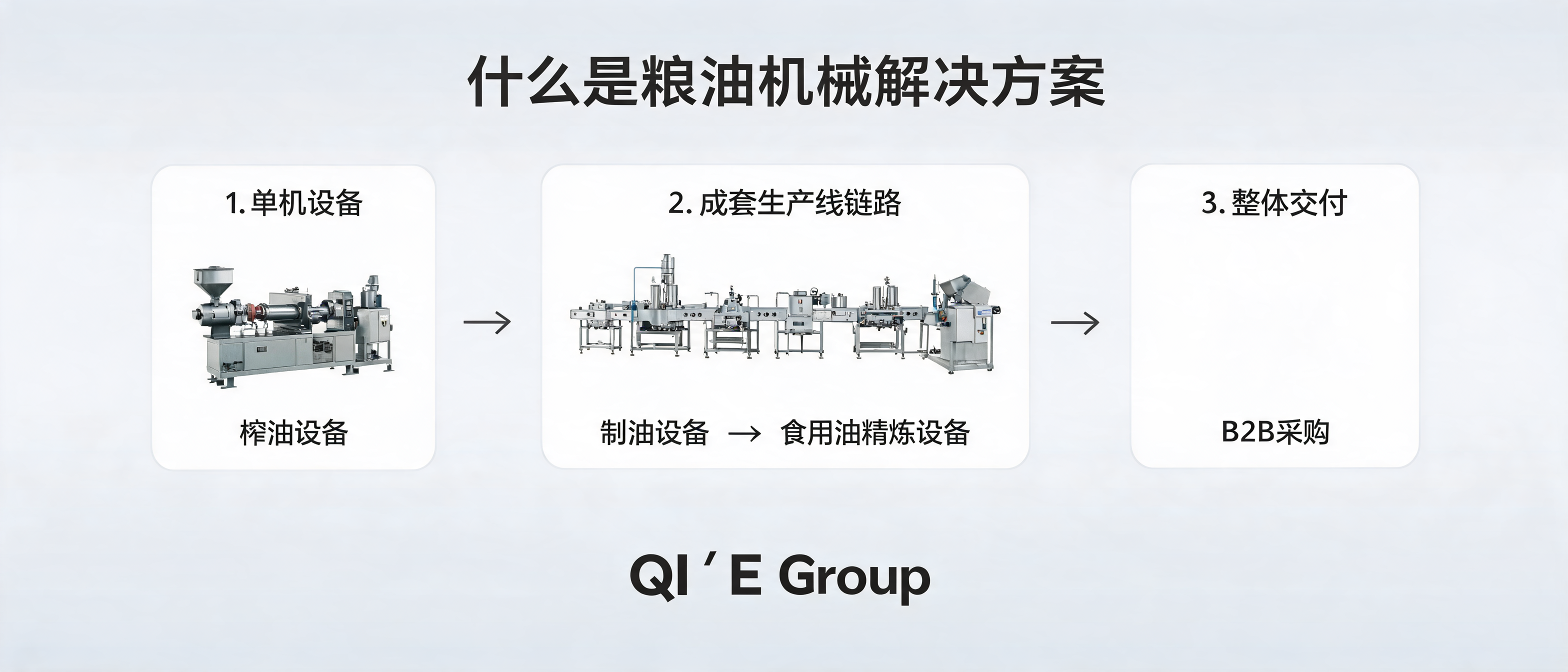
Equipment procurement influences every stage of an oil processing project, from raw material preparation and oil extraction to refining, installation and final acceptance. A well-structured procurement decision is not simply about selecting a machine; it is about confirming that the equipment, process route, operating conditions and service scope work together for the intended production objective.
For project owners planning oil pressing or edible oil refining operations, Qi'e Grain and Oil Machinery Co., Ltd. recommends reviewing technical requirements before comparing quotations. The following five common procurement mistakes can help buyers evaluate suppliers, manage budgets and prepare for equipment acceptance with greater clarity.
A low initial quotation may not represent the full cost or suitability of an oil processing solution. Oil pressing and refining equipment is usually part of a connected process. The practical scope may include material handling, pretreatment, pressing or extraction, filtration, refining sections, piping, electrical control, installation support and commissioning.
A useful supplier evaluation compares the completeness of the solution, technical suitability and service responsibilities—not only the equipment price shown on the first page of a quotation.
Different oil-bearing materials require different processing considerations. Seed or kernel type, moisture condition, impurity level, storage condition and intended oil quality can affect the recommended preparation, pressing, extraction and refining route. Equipment selected without sufficient raw material information may not align with the actual operating conditions of the project.
Before selecting an oil press, solvent extraction system or refining equipment, buyers should provide a clear description of the material to be processed. This allows the supplier to assess the appropriate process configuration rather than recommend equipment based on product name alone.
| Information to Confirm | Why It Matters for Procurement |
|---|---|
| Raw material type | Helps define the applicable processing route and equipment configuration. |
| Material condition | Supports planning for cleaning, preparation and stable feeding requirements. |
| Finished oil objective | Guides the decision on filtration, refining and related downstream steps. |
| Operating environment | Helps identify site, utility and installation considerations early in the project. |
Capacity planning should be based on the project’s actual production plan rather than a general preference for larger equipment. Buyers should distinguish between material intake, processing capacity and the operational schedule expected at the site. A line should be considered as a system: each process section needs to be coordinated so that one stage does not unnecessarily restrict the next.
Clear capacity requirements help suppliers propose a more relevant solution and help buyers assess whether the equipment scope supports practical operation, future planning and budget control.
Oil extraction is not always the final step in an edible oil project. Depending on the raw material, intended product positioning and processing objective, refining may be an important part of the overall plan. Treating refining as an afterthought can create gaps between the oil produced by the extraction section and the desired downstream handling or finished-oil requirements.
Buyers should discuss refining needs during the early process-design stage. This makes it easier to consider the connection between upstream oil production and downstream refining equipment, as well as the related space, utilities and operating arrangements.
Procurement principle: Confirm the intended finished-oil process route before finalizing the extraction or pressing equipment scope. Early coordination can support a more coherent oil processing project plan.
Equipment delivery is a major milestone, but it is not the end of procurement. Installation coordination, commissioning preparation, operating guidance and technical communication are important parts of putting an oil processing line into use. When these responsibilities are not discussed early, project schedules and acceptance expectations can become unclear.
A responsible procurement review should define the support required before, during and after delivery. It should also identify the information and site conditions needed for installation and commissioning.
Confirm equipment scope, layout communication, site readiness and interface responsibilities.
Coordinate installation guidance, utilities, connections and on-site preparation in line with the agreed plan.
Confirm operating communication, equipment checks and acceptance criteria relevant to the supplied scope.
Effective oil processing equipment procurement begins with defined raw materials, realistic capacity planning, a suitable process route and transparent service expectations. These factors help project owners compare suppliers on a more meaningful basis and prepare for orderly installation and acceptance.
Qi'e Grain and Oil Machinery Co., Ltd. supplies oil pressing equipment, oil production line equipment and edible oil refining equipment, with integrated support for project planning, equipment supply, installation and technical service. For buyers considering solutions such as soybean oil production lines, vegetable oil solvent extraction equipment or edible oil refining machinery, early technical discussion can help establish a clearer procurement scope.

 321
|
321
|
 Qi'e Grain and Oil Machinery Co., Ltd.
grain and oil machinery equipment
oil pressing machinery
edible oil refining
oilseed processing
Qi'e Grain and Oil Machinery Co., Ltd.
grain and oil machinery equipment
oil pressing machinery
edible oil refining
oilseed processing
 436
|
cold pressed sesame oil
hot pressed sesame oil
unsaturated fatty acids
antioxidants
sesame oil extraction technology
436
|
cold pressed sesame oil
hot pressed sesame oil
unsaturated fatty acids
antioxidants
sesame oil extraction technology
 340
|
solvent extraction sesame oil equipment maintenance
reduce solvent residue in oil extraction
desolventizing temperature control
solvent circulation optimization
industrial oil extraction troubleshooting
309
|
efficient cold press sesame oil press machine
cold press technology
sesame oil extraction
sesame oil nutrition preservation
small business oil press
340
|
solvent extraction sesame oil equipment maintenance
reduce solvent residue in oil extraction
desolventizing temperature control
solvent circulation optimization
industrial oil extraction troubleshooting
309
|
efficient cold press sesame oil press machine
cold press technology
sesame oil extraction
sesame oil nutrition preservation
small business oil press
 163
|
cold press sesame oil machine
oxygen-free extraction
low-temperature oil pressing
sesame oil nutrient preservation
cold-pressed sesame oil process
163
|
cold press sesame oil machine
oxygen-free extraction
low-temperature oil pressing
sesame oil nutrient preservation
cold-pressed sesame oil process






.jpg?x-oss-process=image/resize,m_fill,h_300,w_300/format,webp)


.jpg?x-oss-process=image/resize,m_fill,h_400,w_400/format,webp)