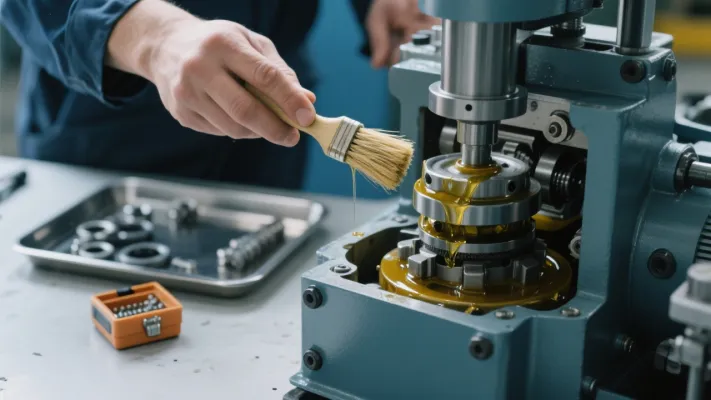
In the realm of sesame oil production, choosing the right medium and large sesame oil press machine is crucial for enterprises aiming to enhance production efficiency, extend equipment lifespan, and reduce operating costs. This guide is tailored to help you navigate through the complex process of selection and maintenance, providing practical insights from a real - world factory management perspective.
When it comes to medium and large sesame oil press machines, the production capacity varies significantly. For instance, a medium - sized machine may have a daily production capacity ranging from 1 - 5 tons, while a large - scale machine can produce 5 - 20 tons or even more per day. The choice depends on your market demand and production scale.
There are also differences in cold - pressing and hot - pressing methods. Cold - pressing is suitable for producing high - quality, nutrient - rich sesame oil, as it operates at lower temperatures (usually below 60°C), preserving more nutrients such as vitamins and antioxidants. On the other hand, hot - pressing can achieve higher oil yields, with yields often 5 - 10% higher than cold - pressing, but it may reduce the nutritional value to some extent. The following table compares the key features of cold - pressing and hot - pressing:
| Pressing Method | Temperature | Oil Yield | Nutritional Value |
|---|---|---|---|
| Cold - pressing | Below 60°C | Relatively low (about 40 - 45%) | High |
| Hot - pressing | Above 100°C | Relatively high (about 45 - 55%) | Slightly reduced |
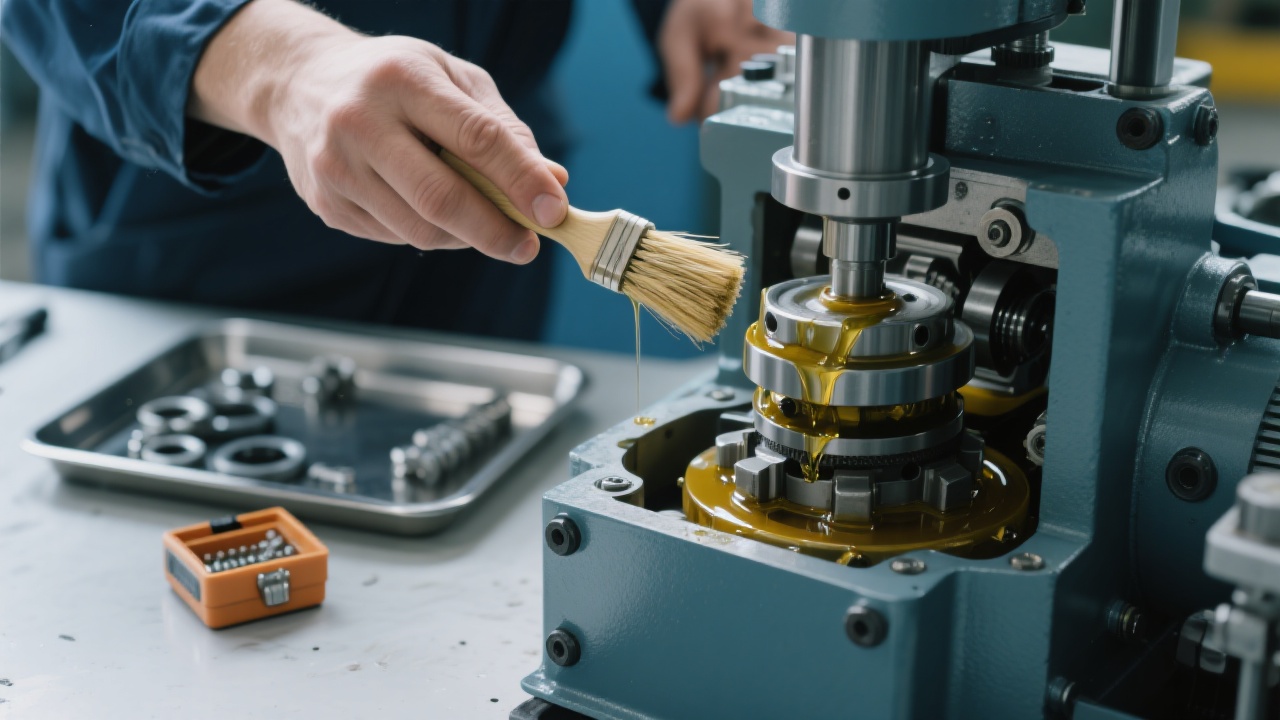
The automation level of sesame oil press machines has a direct impact on production efficiency. Fully automated machines can handle tasks such as raw material feeding, pressing, and oil - residue separation with minimal human intervention. For example, an automated machine can reduce labor costs by up to 50% compared to a semi - automated or manual machine. Moreover, it can improve the consistency of product quality, as the pressing process is precisely controlled by computer programs.
When evaluating the automation level, look at features like automatic temperature control, pressure adjustment, and real - time monitoring. These features not only ensure stable production but also reduce the risk of equipment damage due to improper operation.
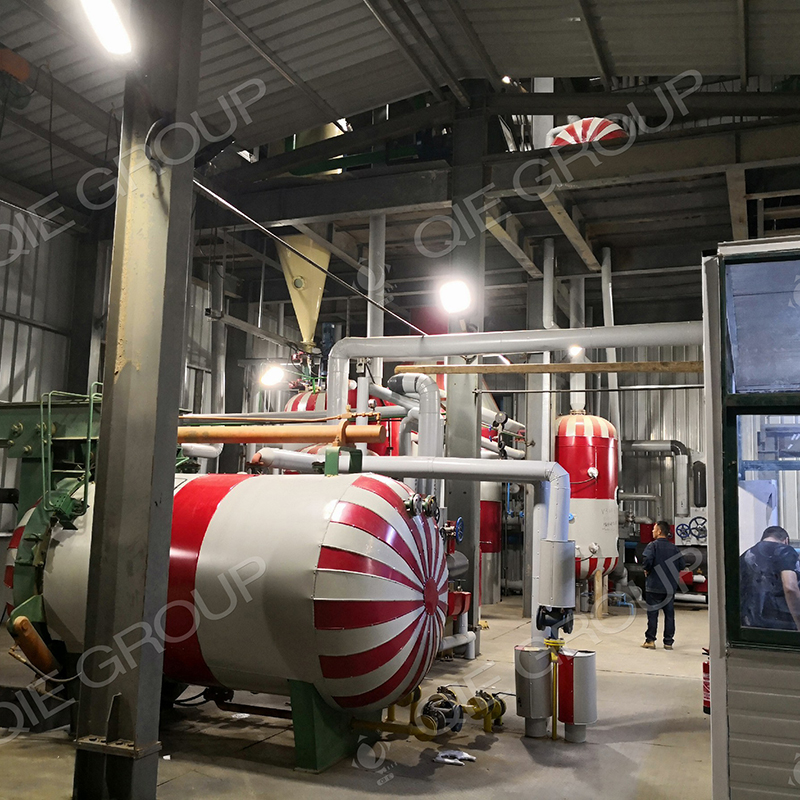
Proper maintenance is essential for the long - term stable operation of sesame oil press machines. Here are some key maintenance steps:

Let's take a look at some real - world case studies to see how enterprises have benefited from proper machine selection and maintenance. Company A, a medium - sized sesame oil producer, upgraded from a semi - automated machine to a fully automated one. As a result, their production capacity increased by 30%, and labor costs were reduced by 40%. At the same time, they implemented a strict maintenance plan, which extended the machine's lifespan by 2 - 3 years.
Company B, on the other hand, focused on optimizing the pressing method. By switching from hot - pressing to cold - pressing for a premium product line, they were able to increase the product's market price by 20% due to its higher nutritional value.
These case studies clearly demonstrate the importance of making informed decisions in machine selection and maintenance.
In conclusion, selecting the right medium and large sesame oil press machine and maintaining it properly are key to enhancing your enterprise's competitiveness in the sesame oil market. If you want to learn more about equipment maintenance and get a free copy of our Equipment Maintenance Check List PDF, or if you need to schedule a technical consultation, please click here.





.jpg?x-oss-process=image/resize,m_fill,h_300,w_300/format,webp)


